Did you know that scrapping a trailer home can yield a surprising amount of cash if you know where to start? Metal prices fluctuate, and old trailers often contain valuable materials just waiting to be recycled. Whether you’re decluttering your property, upgrading your living situation, or simply seeking an environmentally friendly disposal method, understanding how to effectively scrap a trailer home can help you maximize your returns. This process not only benefits your wallet but also contributes to sustainable practices by reducing waste. In this guide, we’ll walk you through the essential steps for scrapping your trailer home, ensuring you get the most metal money back while making informed decisions about your property. Get ready to discover the valuable insights that will empower you to make the most of your scrapping journey!
Choosing the Right Trailer for Scrapping Success
Choosing the right trailer for scrapping can significantly impact your success and profit margins. A trailer designed for scrap metal hauling, such as an elliptical trailer, can accommodate not just metal but also construction materials and heavy debris like boulders, making it a versatile choice for various scrapping needs [1]. When assessing trailers, prioritize those that are built with durable materials and have ample space for the types of scrap you intend to collect.
It’s also essential to understand the weight capacities of different trailers. A trailer that is too small may limit how much scrap you can haul at once, potentially resulting in wasted trips and time. Look for features like strong axles and a sturdy build to ensure it can handle heavy loads without compromising safety. Additionally, adjustable ramps or gates can facilitate easier loading and unloading, which is crucial when dealing with bulky scrap materials.
When purchasing a trailer, consider factors such as the intended frequency of use, the distance you will travel for scrapping, and your budget. Investing a bit more in a high-quality trailer can save you money on repairs and maintenance down the road. For those just starting, renting a trailer could be an economical way to gauge your scrapping venture’s viability before making a significant investment.
Essential Tools and Equipment for Metal Scrapping
To maximize your profit when scrapping a trailer home, having the right tools and equipment can make all the difference. Starting with basic hand tools, a good-quality set of wrenches, pliers, and screwdrivers is essential for dismantling various components efficiently. A reciprocating saw with metal cutting blades is particularly valuable, allowing you to cut through metal structures quickly, which is crucial when time and efficiency are on the line. Additionally, an angle grinder is vital for removing rust and cutting through stubborn metal parts that are otherwise difficult to access.
In terms of safety equipment, investing in gloves, goggles, and a dust mask is crucial. Gloves protect your hands from sharp edges and metal splinters, while goggles shield your eyes from flying debris. A dust mask is also important to avoid inhaling any harmful dust or fumes, especially when working with older trailer homes that may contain asbestos or other hazardous materials. Strong work boots with steel toes provide added safety when handling heavy items and navigating uneven ground.
Lastly, consider having a portable magnetic pickup tool or a bucket for collecting small metal pieces. During the dismantling process, it’s easy to drop small screws, nails, and other metal fragments that can often be overlooked but still add to your scrap metal haul. Keeping these tools handy ensures you don’t miss out on any potential scrap. With the right equipment, you’ll not only dismantle effectively but also increase the value of the materials you collect, leading to a more profitable scrapping experience.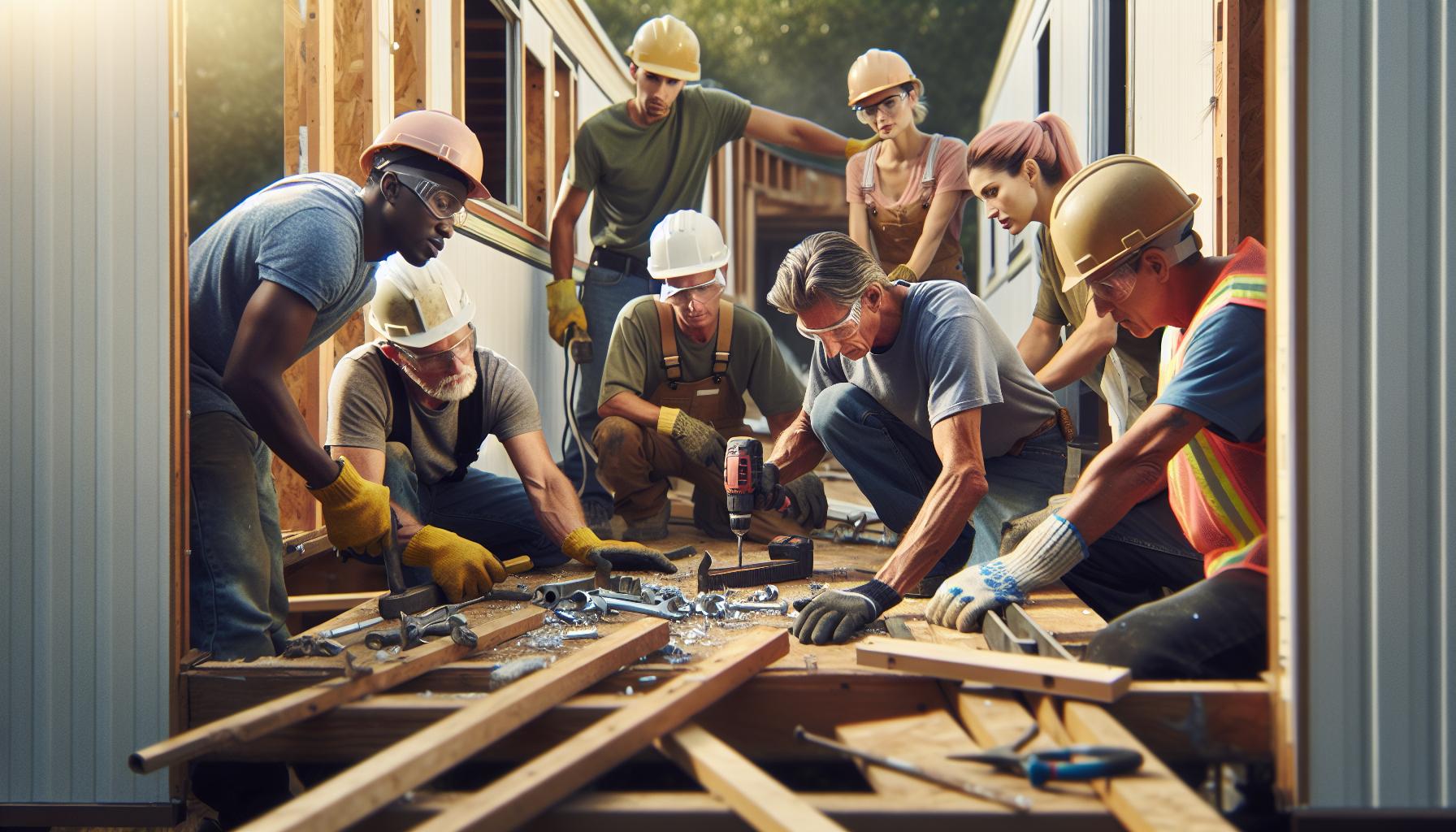
Step-by-Step Guide to Safely Dismantle a Trailer Home
When tackling the project of dismantling a trailer home, safety and efficiency should be your top priorities. A methodical approach enables you to maximize your profits by ensuring you collect as much valuable material as possible. Begin by carefully planning your process-consider the layout of the trailer and the types of materials you are likely to encounter. This structured mindset not only streamlines your work but can also prevent accidents and unexpected complications.
Preparation Steps
Start by removing the trailer from its current location if necessary. This may involve obtaining proper permissions and ensuring utilities such as water, electricity, and gas are disconnected. Once the trailer is safe to work with, clear the area around it to provide enough space for tools and materials. Make sure to wear appropriate safety gear, including gloves, goggles, and a hard hat. Having these precautions in place will protect you as you tackle the dismantling process.
Dismantling Process
Follow these steps for efficient dismantling:
- Remove Exterior Panels: Use a reciprocating saw to cut through any metal siding or panels. Be sure to take your time; a clean cut will make future dismantling easier.
- Strip Roof Material: Carefully detach roofing materials, which can often be aluminum or steel. Utilize a pry bar or crowbar for this task.
- Dismantle Interior Components: Focus on appliances and fixtures first. Remove sinks, stoves, and toilets. These items can contain scrap metal as well as components that can be sold individually.
- Extract Structural Metal: Inspect the frame and undercarriage for steel beams and structural metal. Use an angle grinder to free any stubborn pieces.
- Collect Small Metal Parts: Keep a magnetic pickup tool or bucket handy for small screws, nails, and metal fragments that can easily be missed.
Final Clean-Up
Once the dismantling is complete, conduct a thorough inspection to ensure no valuable metals or debris are left behind. This not only maximizes your returns but also prepares the area for clean-up or any next steps. Properly dispose of non-metal materials in accordance with local regulations-responsible disposal contributes to eco-friendly practices and minimizes your environmental impact.
Following this step-by-step guide ensures you approach the dismantling of a trailer home with confidence and care, paving the way for a successful scrap metal venture that is both profitable and responsible.
Identifying Valuable Metals in Your Trailer
When dismantling a trailer home, identifying valuable metals is essential to maximizing your profit from scrap. Many trailer homes contain a diverse range of metals that can yield significant returns if properly extracted and sorted. Understanding which metals are most valuable and where to find them can greatly influence your overall earnings from the scrapping process.
One of the primary metals to look for is aluminum, which is often used for exterior siding and roofing materials. Aluminum is lightweight and resistant to corrosion, making it a popular choice for trailers. Look for any aluminum panels, gutters, or trim. Furthermore, galvanized steel may be found in the frame, structural components, and appliances. This type of steel is generally heavier but still carries value where scrap metal is concerned. Another important metal to seek out is copper, often present in wiring, plumbing, and some appliances. Copper is highly prized in the scrap metal market, so be sure to gather any copper wires or components you encounter during the dismantling process.
Additionally, don’t overlook smaller metallic fixtures such as hinges, brackets, and hardware that may be scattered around. These items can add up quickly to increase your haul. As you work, keep a collection bin for each type of metal to streamline the sorting process later. Maintaining organization will help you maximize your returns, as scrap yards often pay different rates based on the type and purity of the metal you provide.
By knowing where to look and what to extract, you can efficiently identify and collect the most valuable metals in your trailer home. This not only increases your financial return but also contributes to environmentally friendly recycling practices, paving the way for a responsible scrapping initiative.
Maximizing Your Profit: Sorting and Selling Metal
When it comes to maximizing your returns from scrapping a trailer home, the sorting and selling process can make all the difference. Properly handling your collected metals not only enhances your profit margins but also ensures that you are engaging in a responsible recycling practice. The first step is to organize your metals by type, as different metals have varying market values, and scrap yards typically offer higher prices for segregated materials.
Begin by creating designated collection bins for each type of metal-aluminum, copper, brass, and steel. As you disassemble components of the trailer home, take a moment to sort the metals immediately. This will save you time later and helps maintain the integrity of different metal categories. For example, mixed metals can lead to lower prices when sold, as recycling facilities often require homogeneous loads. Some common items to keep an eye out for include:
- Aluminum: Used for siding and roofing.
- Copper: Found in electrical wiring and plumbing.
- Brass: Typically in fixtures and fittings.
- Steel: Found in frames and structural parts.
Once your metals are sorted, the next step is to determine where to sell them. Local scrap yards are essential players in this process. Research and visit a few scrap yards in your area to compare prices and services, and consider asking if they perform metal grading on-site. Some facilities may provide tips on how to achieve the best price by cleaning or preparing your metals. Additionally, online scrap metal calculators can be a helpful tool to estimate the value of your metals based on current market prices.
Negotiating and Selling
When you’re ready to sell, being informed and assertive can significantly impact your profits. Know the current prices for your sorted metals before presenting them to the yard. Build rapport with your scrap dealer; establishing a good relationship can lead to better deals and faster transactions in the future. Don’t hesitate to negotiate based on your findings; a confident seller often reaps better rewards.
Always remember to keep records of your transactions for future reference, including the prices offered and the quantity of metals sold. This information can assist you in avoiding potential pitfalls and making well-informed decisions during your next scrapping endeavor. By carefully sorting your metals and strategically selling them, you can not only maximize the financial returns from scrapping a trailer home but also contribute positively to the environment through responsible recycling practices.
Legal Considerations for Scrapping a Trailer Home
Engaging in the scrapping of a trailer home can be a profitable venture, but it’s crucial to navigate the legal landscape surrounding this process to avoid potential headaches down the road. Before embarking on your scrapping journey, familiarize yourself with local regulations that govern the dismantling and disposal of mobile homes. In many areas, specific permits may be necessary to legalize your activities, particularly if the trailer is permanently affixed to land.
One key aspect to consider is the environmental responsibility associated with scrapping. Many regions have strict rules about the proper disposal of hazardous materials, including asbestos, lead paint, and certain refrigerants found in older trailers. It’s essential to check if your trailer contains any such materials and to follow legal guidelines for their safe removal and disposal. Engaging a certified professional for hazardous waste removal can safeguard you from legal repercussions and health risks.
Furthermore, documenting your scrapping activities with appropriate permits, photographs, and receipts is not just prudent, but often required by law. Keep records of everything from purchases of tools and resource materials to any disposal services hired. This information can be invaluable should any questions arise regarding compliance with local regulations.
Finally, familiarize yourself with vehicle title transfer laws, especially if you plan to sell portions of the trailer or the entire unit as scrap. Certain jurisdictions require you to notify the Department of Motor Vehicles (DMV) and possibly surrender the title aligned with your scrapping intentions. Understanding these legal considerations will not only ensure that your scrapping project runs smoothly but also maximize your returns by keeping you on the right side of the law.
Tips for Efficiently Transporting Scrap Metal
Transporting scrap metal efficiently is crucial for maximizing your profit during the scrapping process. When you’re ready to haul away valuable metals from a trailer home, there are several strategies to consider that will not only make your job easier but also help ensure that you dispose of your materials in an environmentally responsible manner.
Planning your transportation method ahead of time is key. Ensure that your vehicle is capable of carrying the weight of the scrap metal. If you’re using a trailer, confirm that it has enough capacity and is in good condition. Using a sturdy utility trailer is often the best choice, as it offers flexibility in loading and unloading. Additionally, securing the load properly will help prevent material from shifting or falling during transit, which can pose safety hazards. Use straps, tarps, or nets to ensure everything is firmly in place.
When you’re ready to load the metal, sort it beforehand on your property. This not only saves time but also makes it easier to identify and separate different metals, which can have varying values. Consider the following tips:
- Keep ferrous and non-ferrous metals separate; non-ferrous metals like copper and aluminum usually fetch higher prices.
- Remove any unwanted materials like wood or plastic that could contaminate the metal, decreasing its value.
- Weigh the metals if possible, as knowing the weight can help in negotiations with buyers.
It’s also important to familiarize yourself with local scrapyards or recycling centers before loading up. Some facilities may have specific requirements regarding delivery times, types of materials accepted, and payment methods. By contacting them in advance, you can save yourself additional trips and potentially negotiate better prices based on the current market rates.
Lastly, ensure you’re using eco-friendly practices throughout. Reuse materials whenever possible and recycle responsibly to minimize waste. Keeping your scrapping endeavors organized, safe, and environmentally friendly not only maximizes your profits but also contributes positively to your community and the planet.
Common Mistakes to Avoid When Scrapping
Many enthusiasts often underestimate the complexities involved in scrapping a trailer home, leading to missed opportunities for maximizing profits. One of the most significant errors is failing to properly assess and plan for the dismantling process. Rushing into the task without a clear strategy can result in wasted time, unnecessary injuries, and the potential loss of valuable materials. Understanding the nuances of what to disassemble and how to do it effectively is crucial for not only enhancing safety but also for ensuring that every scrap piece is accounted for.
Another common pitfall is neglecting to identify and separate valuable metals from lesser materials. Always remember that not all metals carry the same weight when it comes to scrap value. For example, copper and aluminum can fetch significantly higher prices than ferrous metals like steel. Failing to sort these materials can lead to diminished profit margins. Make it a habit to segregate your metals as you remove them from the trailer. This not only streamlines the selling process but ensures you maximize your financial return.
Moreover, many scrappers overlook the importance of local regulations and legal considerations. Familiarizing yourself with the laws surrounding scrapping in your area can save you from hefty fines or even legal action. This includes understanding zoning laws for scrapyard operations, disposal of hazardous materials, and any required permits for scrapping in your locality. Always conduct your due diligence before proceeding with dismantling to align your efforts with lawful practices.
Lastly, underestimating the significance of proper safety gear and equipment can lead to injuries that could easily be avoided. Scrapping can involve heavy lifting and sharp objects, so investing in quality gloves, eye protection, and other personal protective equipment is essential. Additionally, using the right tools – such as metal saws, wire cutters, and hammers – ensures that the job is done correctly and efficiently. Prioritizing safety not only protects you but also enhances the overall efficiency of the scrapping process, allowing you to maximize your return on investment.
Eco-Friendly Practices for Metal Recycling
One of the most impactful actions you can take as a scrapper is to embrace eco-friendly practices during the recycling process. Not only does this help reduce waste and promote sustainability, but it can also improve your financial returns by allowing you to tap into markets that value eco-conscious practices. Scrapping metal isn’t just about profit; it’s about being a responsible steward of resources. When you recycle metals, you significantly reduce the demand for new raw materials, which in turn lessens energy consumption, greenhouse gas emissions, and environmental degradation.
- Sort and Separate: Efficiently sorting your materials into ferrous and non-ferrous metals enhances recycling. Non-ferrous metals like aluminum and copper can often be recycled multiple times without losing quality, while ferrous metals contain iron and are more plentiful in scrap yards. Keeping them separate not only maximizes profit but also aligns with recycling guidelines.
- Hazardous Materials Handling: Many trailer homes may contain hazardous materials such as lead paint, asbestos, or certain insulated wiring. Properly identifying and disposing of these materials is crucial for both safety and compliance with regulations. Always check your local guidelines for hazardous waste disposal.
- Repurposing Materials: Before scrapping, consider whether some materials can be reused or repurposed. Wood, windows, and fixtures can often be salvaged for DIY projects or repairs in other mobile homes. This approach not only helps reduce waste but can also save money on future renovations.
- Choose Eco-Friendly Scrap Yards: Research and select scrapyards that prioritize eco-friendly practices. This includes those that recycle responsibly and implement sustainable methods. Supporting these businesses promotes a greener recycling economy.
Each of these practices contributes to a more sustainable approach to scrapping, fostering a positive impact not just on your immediate profits, but on your community and the environment. By being conscious of the ecological footprint of your scrapping efforts, you align your business with a growing movement towards environmental responsibility, making it as beneficial for your wallet as it is for the planet.
Alternative Uses for Trailer Home Materials
Repurposing materials from a trailer home can breathe new life into your space or provide creative solutions for various projects. Instead of simply scrapping everything, consider how these materials can serve alternative purposes, ultimately saving you money and promoting sustainability. For instance, sturdy wood from the frame can be transformed into furniture, while windows can be utilized in garden projects or as unique decorative accents.
Wood
Wood is one of the most versatile materials you can salvage from a trailer home. If the wood is in decent condition, consider using it to craft homemade furniture like tables, benches, or shelving units. A simple makeover with paint or stain can turn dated wooden panels into charming decor or practical storage solutions that match your style. Additionally, wooden planks can be repurposed for garden projects, such as creating raised vegetable beds or decorative trellises.
Metal
The metal components found within a trailer can also have various uses beyond traditional recycling. For example, metal siding can be recycled into outdoor artwork or functional garden items, such as planters and fencing. If you have aluminum or copper wiring, they can be melted down or fashioned into unique pieces of jewelry or art. Think creatively: cutting and shaping these metals into DIY craft items not only reduces waste but also allows you to express your creativity.
Fixtures and Appliances
Many fixtures and appliances from a trailer home can be salvaged for use elsewhere. Light fixtures, faucets, and cabinetry can be refurbished for use in a home renovation or even in workspaces like garages or sheds. Consider offering these items for sale or trade through local classifieds or social media marketplaces. Upcycling these materials isn’t just practical; it often comes with a story, adding character to your current living environment.
By embracing these alternative uses for materials from a trailer home, you not only reduce waste but also unlock new avenues for creativity and resourcefulness in your projects. Whether you’re crafting furniture, enhancing your garden, or refurbishing fixtures, each decision supports a more sustainable lifestyle while maximizing your financial returns from scrapping efforts.
Understanding Scrap Metal Pricing and Market Trends
Understanding the dynamics of scrap metal pricing is crucial for anyone looking to maximize their return on materials salvaged from a trailer home. The scrap metal market is influenced by various factors, including global demand, material quality, and local recycling capabilities. By staying informed about these trends, you can strategically time your sales for the best profits and understand which metals yield the highest returns.
- Material Types: Certain metals command higher prices due to their rarity and demand in manufacturing. For instance, copper and aluminum often yield better returns than steel. Understanding how to identify these materials can significantly enhance your profitability.
- Market Trends: Keep an eye on commodities markets and economic reports that indicate how demand fluctuates with global events. Prices can spike after disasters requiring rebuilding efforts or slow down during economic downturns. Participating in online forums or following industry news can provide insights.
- Seasonality: Scrap metal prices can vary throughout the year. Traditionally, warmer months see more construction and remodeling activities, increasing demand for scrap. Selling at peak seasons can net better prices.
- Local Prices: Always check local scrap yards and recycling centers. They often provide varying rates for metal grades, influenced by transportation costs and regional demands. Comparing prices helps you find the best buyer for your materials.
Having an understanding of these elements will not only equip you to make informed selling decisions but also guide your dismantling and salvage processes. For instance, when removing metals from your trailer, being meticulous about separating different metal types can boost your overall profits. It’s advisable to keep track of market trends to stay ahead in the scrap game, allowing you to capitalize on peaks and minimize losses during downturns. This proactive approach ensures that you can maximize your metal money return effectively, enabling a rewarding experience in recycling and sustainability efforts.
Finding Buyers: Where to Sell Your Scrap Metal
Finding the right buyer for your scrap metal can significantly impact the financial return you gain from dismantling your trailer home. Understanding where to sell your scrap is essential for maximizing your profit. Scrap yards, metal recycling facilities, and online marketplaces are excellent options to consider, each offering unique benefits and considerations.
Local Scrap Yards
One of the most straightforward places to sell your scrap metal is at local scrap yards. These facilities typically pay cash for metals and offer competitive rates based on current market prices. It’s advisable to visit multiple yards to compare prices and services, as rates can vary significantly based on location and demand. When choosing a scrap yard, look for ones with established reputations in your community, as they often provide reliable service and fair pricing.
Metal Recycling Facilities
Metal recycling facilities are another option, particularly those that specialize in certain types of metals. These facilities often have the equipment and expertise to handle larger quantities of scrap, making them ideal if you’ve stripped an entire trailer. Establishing a relationship with a local recycling center can lead to better rates and insights on future market trends. Many recycling centers also offer free drop-off services, which can save you transportation costs.
Online Marketplaces
Utilizing online platforms can expand your reach beyond local buyers. Websites like Craigslist, Facebook Marketplace, and specialized forums can connect you with individuals looking to purchase scrap metal directly. This approach allows for negotiation, potentially leading to better profits than selling to a yard. Just ensure you take proper safety precautions when meeting potential buyers and verify that they are legitimate.
Community Resources
Local community boards, online neighborhood groups, or recycling initiatives can also provide opportunities for selling your scrap metal. Engaging with community resources not only helps in finding buyers but also aids in building connections within your area, which can lead to additional opportunities in the future.
By exploring these various avenues, you can effectively find the best buyers for your scrap metal, ensuring that you maximize your returns and contribute positively to the recycling efforts in your community.
In Conclusion
As you embark on scrapping your trailer home, remember the valuable tips shared to maximize your metal money return. This process not only helps you earn some cash but also contributes to recycling efforts, making a positive impact on the environment. If you have any lingering questions or concerns, don’t hesitate to explore our articles on trailer maintenance and renovation projects; they’re just a click away!
Ready to take action? Check out our complete guide on maintaining your trailer home or discover necessary steps for financing your next home. We invite you to join our newsletter for more insights and updates, ensuring you stay informed about the best strategies for mobile and trailer home living. Your journey towards maximizing your home’s value starts here, so get started today! Remember, a little effort can lead to significant rewards!