Did you know that mobile homes, often referred to as trailer homes, account for a significant portion of housing across the United States? As alternative living solutions gain popularity for their affordability and flexibility, understanding state-specific trends becomes crucial. In this exploration of “What State Has the Most Trailer Homes,” we’ll uncover surprising rankings and insights that not only inform homebuyers but also shed light on how different regions embrace this unique housing option. Whether you’re considering downsizing, seeking a vacation home, or simply curious about this often-overlooked segment of the housing market, our findings will equip you with valuable information. Join us as we delve into the unexpected facts about trailer home prevalence in various states and what they mean for prospective residents.
What Drives Trailer Home Popularity in the U.S.?
The surge in trailer home popularity across the U.S. stems from a confluence of economic, social, and lifestyle factors that make this form of housing increasingly appealing. Affordability is a primary driver; in a market where traditional home ownership is often out of reach due to soaring prices and rising interest rates, mobile homes present a viable alternative. They are typically less expensive to purchase and maintain, making them a favored option among first-time buyers and those seeking more budget-friendly living arrangements.
Additionally, flexibility plays a crucial role in the attraction of trailer homes. Many buyers appreciate the ability to relocate their homes if necessary, a feature not present with traditional housing. This mobility is particularly appealing for individuals in transitional life stages, such as new graduates or those pursuing job opportunities in different states. Furthermore, the sense of community provided by trailer parks can be inviting. These living environments often foster close-knit relationships among residents, enhancing social interactions and support networks.
Another factor in the rising popularity of trailer homes is the diverse range of designs and features available today. Modern mobile homes are no longer the basic units of the past; they offer a variety of layouts, styles, and amenities that cater to different preferences and needs. Innovations in design mean that many homes are equipped with high-quality materials and energy-efficient systems. As the stigma around trailer living continues to diminish, more individuals are recognizing the potential for stylish and comfortable homes on wheels.
In summary, the growing interest in trailer homes can be attributed to their affordability, flexibility, sense of community, and modern design options. As more people become aware of the benefits associated with mobile home living, it’s likely this trend will continue to gain momentum across various demographics.
Top States for Trailer Home Ownership
When it comes to trailer home ownership, certain states stand out due to their favorable conditions and community support for mobile living. States like Florida, Texas, and California top the list, offering a mix of affordable living, access to amenities, and diverse communities tailored for trailer residents. For instance, Florida, known for its pleasant weather and vibrant lifestyle, boasts numerous trailer parks that provide a sense of community and leisure opportunities. Similarly, Texas not only has a large number of mobile homes but also maintains a strong culture of acceptance and appreciation for the flexibility trailer living offers.
Key States for Trailer Home Ownership
- Florida: With its warm climate and extensive coastline, Florida attracts many trailer home owners. The state offers well-maintained parks that cater to retirees and families alike, creating a welcoming environment.
- Texas: Known for its vast size and diverse cities, Texas has a robust mobile home market that allows for affordable living with plenty of room for customization. Residents benefit from the state’s no income tax policy, making it a popular choice for mobile home buyers.
- California: Despite its high living costs, California has a large number of mobile home parks. Many of these parks offer beautiful locations, proximity to beaches, and interesting communities that appeal to those looking for mobile home living.
- North Carolina: In recent years, North Carolina has seen a spike in trailer home ownership. This state offers a balanced cost of living and a charming mix of rural and urban settings ideal for mobile home dwellers.
While these states consistently support mobile living due to their infrastructure and community initiatives, it’s important for potential buyers to consider local regulations and the availability of mobile home parks. Researching these factors can ensure that new trailer home owners find not just a house, but a place where they can thrive socially and financially. As you explore the possibilities of trailer living, remember that each state offers its unique flavor and benefits, making it imperative to choose a location that aligns with your lifestyle preferences.
Surprising Statistics: Trailer Home Trends
The landscape of trailer home ownership is evolving dramatically, showcasing some surprising trends that highlight the rising interest in manufactured housing across America. As housing prices escalate, many individuals and families are turning to mobile homes as a feasible alternative. In fact, approximately 20.6 million people in the U.S. currently reside in manufactured homes, constituting about 9.3 percent of annual new home starts [3[3]. This sector is not only capturing the attention of first-time buyers seeking affordability but has also become an attractive investment opportunity.
Data indicates that the average cost for a new manufactured home in 2024 was around $109,400, which is a notable decrease of nearly 4 percent from the previous year [3[3]. This affordability factor positions manufactured homes as an appealing option for many looking to secure their financial future without overextending their budgets. Additionally, many new homes are placed in communities specifically designed to enhance the living experience, catering to diverse lifestyles and fostering a sense of belonging.
Another compelling statistic reveals that nearly 55 percent of new manufactured homes find their way into communities, suggesting an increased demand for well-supported mobile home parks [3[3]. These communities not only offer potential homeowners a stable and often vibrant environment to live in, but they also often provide access to shared amenities, making the lifestyle more attractive than ever. As the trend continues to grow, understanding these statistics provides valuable insight into a changing housing market where alternative living options are becoming increasingly mainstream.
Understanding Trailer Home Types and Differences
Different types of trailer homes, commonly referred to as manufactured homes, come with a variety of features and benefits to suit diverse lifestyles and needs. Understanding these categories can help potential homeowners make informed decisions about their living situation.
One major distinction in the trailer home market is between single-section and multi-section homes. Single-section homes, often called mobile homes, are typically smaller and can be easier to transport. They are ideal for individuals or small families looking for a more affordable housing option. On the other hand, multi-section homes, or double-wides, offer more living space and are often built with higher build quality and design aesthetics in mind. These homes may include features like larger kitchen areas, multiple bedrooms, and enhanced insulation, catering to families seeking more comfort without sacrificing affordability.
Another essential classification is based on construction methods. Modular homes are a popular choice, built in sections in a factory and transported to the site for assembly. They usually comply with the same building codes as traditional homes, which can provide peace of mind for buyers. In contrast, park model homes are designed for temporary or seasonal use, often found in recreational vehicle (RV) parks. These homes are smaller and usually equipped with the essentials needed for leisure living.
When considering a trailer home, potential buyers should also think about the location and community where it will be placed. Homes located in well-managed trailer parks often have access to amenities such as community centers, pools, and maintenance services, greatly enhancing the living experience. For first-time buyers, a visit to potential parks can provide insights into the community culture, rules, and available services, ensuring compatibility with their lifestyle preferences.
In summary, evaluating the different types of trailer homes and their respective advantages allows prospective homeowners to find a solution that aligns with their needs, budget, and desired living environment. Whether opting for a mobile home for its ease of transport or a more spacious double-wide in a family-friendly community, there’s a wide range of options that can make trailer home living a viable and attractive choice.
Key Factors Influencing Trailer Home Rankings
The allure of trailer homes, often seen as a cost-effective housing option, is shaped by various significant factors that influence their popularity and ranking across states. A primary driver is affordability. In many areas, the cost of purchasing a trailer home is significantly lower than that of traditional houses, making homeownership accessible for individuals and families on a tight budget. This affordability resonates particularly in states where real estate prices have skyrocketed, prompting many to seek alternative housing solutions.
Another important aspect is the availability of land and trailer parks. States with expansive rural areas or a warm climate tend to have more trailer parks, offering communities that cater specifically to mobile home residents. Locations with established trailer parks often provide essential amenities such as community centers, pools, and maintenance services, thus enhancing the living experience. In contrast, urbanized states may present challenges due to land scarcity, leading to fewer options for trailer home placements.
State Regulations and Community Support
Each state’s regulations regarding zoning and land use can greatly affect trailer home ownership. States that support a diverse range of housing options often rank higher in trailer home popularity. For example, states with relaxed zoning laws can facilitate the establishment of mobile home parks and allow homeowners to place their trailers on personal land. Moreover, community support and a welcoming environment contribute to the desirability of trailer home living, as residents seek neighborhoods that offer inclusivity and social engagement.
Demographics and Lifestyle Trends
Demographics also play a vital role in the ranking of trailer home ownership. States with an aging population, for instance, may see a rise in trailer home popularity as retirees gravitate towards downsizing and seeking community living that is easier to maintain. Additionally, lifestyle trends emphasizing minimalism and mobility attract younger generations to the flexibility that trailer homes provide. As a result, the intersection of affordability, community amenities, zoning laws, and shifting demographics creates a nuanced landscape that drives the popularity of trailer homes across the United States.
In essence, understanding these key factors can guide potential homeowners in making informed choices about their living situations, paving the way for a fulfilling trailer home experience.
Essential Considerations Before Buying a Trailer Home
Before diving into the exciting journey of trailer home ownership, it’s essential to consider some crucial aspects that will guide you toward making the best decision for your needs. The appeal of trailer homes lies not only in their affordability but also in the lifestyle they promote. However, ensuring that you are well-informed and prepared can make all the difference between a rewarding experience and unexpected challenges.
One of the first steps to contemplate is understanding your budget. Trailer homes come with a lower sticker price compared to traditional homes, but hidden costs can arise. Think about ongoing expenses, including utilities, insurance, and maintenance. Start by creating a comprehensive budget that includes:
- Purchase price of the trailer home
- Transport and installation costs
- Land or park rental fees
- Utilities and property taxes
- Insurance premiums
In addition, be aware of the local zoning regulations that might affect where you can place your trailer home. Some areas have strict zoning laws that may restrict the construction or placement of mobile homes, while others may offer more flexibility. Researching local regulations will help you avoid potential legal hurdles down the road.
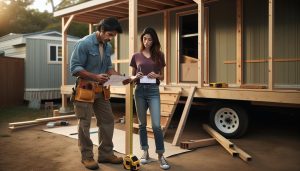
Practical considerations also include inspecting the trailer home before purchasing. Always seek a thorough inspection to check for issues such as plumbing, electrical systems, and the overall integrity of the structure. A well-maintained trailer can save you significant repair costs and headaches in the future.
Finally, consider joining communities or forums related to trailer home living. Engaging with current residents can provide valuable insights into the challenges and benefits of the lifestyle, as well as tips for enhancing your home. From discussing community amenities to sharing renovation ideas, these connections can offer tremendous support as you embark on this new chapter of your life. Embracing the mobile home lifestyle is not just about living affordably; it’s about creating a community and enjoying a unique way of life.
Financing Options for Trailer Home Buyers
Financing a trailer home presents unique challenges and opportunities, making it essential to explore various options tailored specifically for this type of housing. Unlike traditional home mortgages, most lenders do not offer conventional loan terms for mobile or manufactured homes. Therefore, understanding the financing landscape is vital for prospective buyers looking to secure their dream trailer home.
One key option is utilizing government-backed loans. The Federal Housing Administration (FHA) offers Title I loans specifically for mobile homes that allow buyers to borrow for the purchase and installation of a new or used home. These loans are particularly beneficial for individuals who may not have a large down payment or strong credit history, as FHA loans are designed to be more accessible than conventional financing. Similarly, veterans may qualify for loans backed by the Department of Veterans Affairs (VA), which often come with favorable interest rates and no down payment requirements.
Another common financing route involves personal loans. Although interest rates may be higher and repayment terms shorter, personal loans provide the flexibility needed for purchasing or renovating a trailer home. Buyers can also consider expanding their search to include financing options from specialized lenders, such as Vanderbilt Mortgage, which caters specifically to mobile and manufactured home buyers, offering various programs that accommodate different credit profiles[[2]].
Before proceeding with any financing option, it’s crucial to evaluate the total cost of ownership. This includes not only the purchase price but also transport, installation, ongoing maintenance, and potential community fees. A thorough understanding of your budget will help you determine how much financing you may need and what your monthly repayments will look like. Engaging with a financial advisor or a housing counselor can provide valuable insights as you navigate this process, ensuring that you choose a financing option that aligns with your long-term financial goals and lifestyle.
Legal Requirements for Trailer Home Residents
Navigating the legal landscape of trailer home living requires an understanding of various regulations that can differ significantly from traditional homeownership. Across the United States, trailer home residents must comply with a range of laws relating to land use, zoning, and safety codes, which aim to ensure both the integrity of the homes and the rights of residents. Knowing these legal requirements can empower homeowners and prospective buyers alike, helping them make informed decisions about their living arrangements.
One of the primary legal considerations involves zoning laws. These laws dictate where trailer homes can be located, often designating specific areas for mobile home parks or manufactured housing communities. It is vital to check local zoning regulations before purchasing a trailer home to ensure that your intended site is allowed for that type of housing. Moreover, residents may need to adhere to specific codes regarding the installation and maintenance of utilities like water, sewage, and electrical connections, often overseen by local health and safety departments.
In addition to zoning regulations, trailer home owners should be aware of property taxes and fees that can be applicable to their land or park space. Many states apply a personal property tax to mobile homes as they are considered vehicles, while others may classify them as real estate, affecting tax rates accordingly. Furthermore, if your trailer home is located in a park, you may be subject to lease agreements with the park owner, which could include community fees for amenities and shared services. It’s essential to thoroughly review these agreements to understand your financial obligations.
Lastly, safety regulations often encompass aspects like fire safety, plumbing standards, and structural integrity. These regulations may vary based on the state and the type of trailer home. Prospective buyers should ensure that the home meets these safety standards before purchase, which often involves reviewing inspection reports or requiring necessary certifications. Consulting with local housing authorities or an attorney specializing in real estate can provide valuable insights and ensure compliance with all local ordinances.
Understanding these legal requirements not only protects you as a resident but can also enhance your living experience by minimizing potential disputes and liabilities associated with trailer home ownership.
Maintenance Tips for Trailer Home Living
Maintaining a trailer home effectively can significantly enhance your living experience, ensuring comfort and longevity for your home. With the right approach, you can keep your space in excellent condition while maximizing its functionality and aesthetic appeal. First and foremost, regular inspections are vital. Start by checking the exterior for any signs of wear or damage. Look at the roof, siding, and skirting to ensure everything remains in good repair. You should ideally inspect these areas at least twice a year, ideally before winter and after the rainy season.
Essential Maintenance Tasks
Here are some essential tasks to keep your trailer home looking great and functioning well:
- Inspect Roofing: Look for missing or damaged shingles and ensure seals around vents and chimneys are intact.
- Check the Plumbing: Regularly inspect pipes for leaks. Pay special attention to under-sink areas and around the toilet.
- Maintain Heating and Cooling Systems: Change filters in your HVAC system regularly and schedule annual professional maintenance to ensure efficiency.
- Clean Gutters: Clear debris from gutters and downspouts to prevent water damage to the roof and siding.
- Inspect and Paint Skirting: Check for cracks or holes in the skirting, which can allow pests to enter. Consider repainting every few years for protection.
In addition to routine maintenance, making improvements or renovations can greatly enhance your living space. Simple updates, like adding insulation or energy-efficient windows, can improve comfort and lower utility bills. Interior upgrades, such as fresh paint or new flooring, can also rejuvenate the space.
Seasonal Preparations
As seasons change, there are specific tasks you should consider. Before winter, ensure that your trailer home is properly insulated to keep warmth in and prevent pipes from freezing. In the spring, inspect for any water damage that might have occurred during the wet months and repair any issues promptly. Summertime is optimal for exterior painting and landscaping, while fall is the perfect time for checking heating systems and preparing for colder weather.
Embracing these maintenance tips can ensure that your trailer home remains a safe and enjoyable place for years to come. By being proactive about upkeep and improvements, you not only protect your investment but also create a welcoming environment for you and your family.
Innovative Renovation Ideas for Trailer Homes
Exploring creative renovation ideas can transform a trailer home into a stylish and functional living space, making it more than just temporary housing. Many homeowners are surprised to discover that with some innovative touches, their mobile homes can reflect their unique personalities and lifestyle needs. Here are some inspiring renovation concepts to elevate your trailer home living experience.
One of the most impactful changes you can make is enhancing the natural light and openness of your space. Consider replacing heavy drapes with sheer curtains or blinds that allow sunlight to filter through while maintaining privacy. Additionally, removing non-load-bearing walls can create an open floor plan that maximizes space and makes your mobile home feel more expansive. Implementing mirrors strategically, particularly across from windows, can also reflect light and visually enlarge the space.
Next, focus on the kitchen, which often serves as the heart of the home. Upgrading appliances to energy-efficient models not only improves functionality but can also lower utility costs. Open shelving instead of bulky cabinets gives an airy feel and showcases your dishware and decorative items. If your trailer has room, adding a small island can provide additional workspace and serve as a cozy gathering spot.
For the bathroom, simple updates like replacing outdated fixtures, re-grouting tiles, or adding a modern vanity can dramatically freshen the space. Adding a sliding barn door not only saves space but also adds a trendy, rustic touch. Furthermore, consider investing in water-saving fixtures that are both eco-friendly and cost-efficient.
To create a cozy atmosphere, consider incorporating elements of nature. Adding indoor plants not only purifies the air but also brings life to your home. Use natural materials like wood accents, wicker furniture, or stone features to add warmth and texture. You can even create an outdoor living space by building a deck or patio area that extends your living space and blends with nature, perfect for enjoying warmer weather.
Embrace these renovation ideas to breathe new life into your trailer home, enhancing both aesthetics and functionality. With thoughtful choices, your mobile home can truly become a personal sanctuary, reflecting who you are and how you want to live. Whether you’re in a state known for its vast trailer communities or just looking to revamp your existing space, the possibilities for innovative design are endless.
Community Insights: Living in Trailer Parks
Living in trailer parks offers a unique lifestyle that appeals to many due to the sense of community, affordability, and flexibility it provides. With increasing numbers of people choosing this form of housing, especially in states with large trailer home populations, understanding the ins and outs of residing in these communities can lead to a more fulfilling experience.
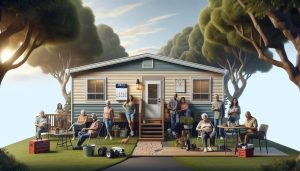
One of the main attractions of trailer parks is the vibrant community spirit. Residents often share resources and responsibilities, fostering friendships that can last a lifetime. Many parks host community events such as potlucks, game nights, and holiday celebrations that not only keep residents connected but also contribute to a supportive and welcoming atmosphere. This interaction encourages a culture of neighborly assistance where individuals can rely on one another for help and camaraderie.
Affordability remains a significant factor as well. Trailer parks typically offer lower rental or purchase costs compared to traditional housing, making them an attractive choice for individuals and families looking to minimize expenses. However, it is important to research various parks, as amenities, maintenance fees, and regulations can vary greatly. Many modern trailer parks are becoming increasingly amenities-rich, featuring pools, clubhouses, and even fitness centers, which enhance the living experience.
Despite these benefits, potential residents must consider several important factors before settling into a trailer park. Understanding the park’s rules, leasing agreements, and local zoning laws is crucial for a smooth transition. Additionally, being aware of the maintenance responsibilities and community expectations will help new residents adjust quickly.
In terms of maintenance, living in a trailer park often involves different challenges compared to traditional homes. Regular upkeep of your mobile home, such as proper sealants on windows, roof maintenance, and plumbing checks, is essential for longevity and comfort. Simple DIY tasks can go a long way in preserving the home’s condition, and many communities encourage sharing knowledge and resources for home repairs.
Ultimately, choosing to live in a trailer park can open the door to a rewarding lifestyle filled with community spirit and financial flexibility. By embracing this alternative housing option, residents can not only enjoy the benefits of affordable living but also create lasting connections with their neighbors, making their trailer home a true community.
Future Trends in Trailer Home Ownership
As urban housing prices continue to rise, more people are considering mobile home ownership as a viable and appealing alternative. While many might perceive trailer homes as outdated or less desirable, recent trends highlight a significant shift in perceptions and demographics. The future of trailer home ownership is not just about affordability; it also embraces innovation, sustainability, and community living, making it an attractive option for a wider audience.
Growing Acceptance and Modernization
An increasing number of urban dwellers and young families are recognizing the benefits of trailer homes, often favoring them for their affordability and flexibility. Mobile home manufacturers are responding to this demand by producing contemporary designs that incorporate modern amenities and sustainable materials. These upgrades not only increase living comfort but also appeal to environmentally conscious buyers. With new construction techniques and designs, today’s mobile homes can rival traditional houses in style and efficiency, reinforcing their viability as long-term living solutions.
Technological Integration
As technology permeates every aspect of life, mobile homes are not left behind. Future trends show a rising integration of smart home technology in trailer parks, with features such as energy-efficient appliances, integrated solar systems, and home automation that enhance lifestyle convenience and sustainability. Homebuyers can expect to find advancements like mobile home energy management systems, which allow for better control over energy consumption and costs. This merge of technology and traditional living spaces is creating a new narrative around trailer homes, positioning them as intelligent housing solutions.
Diverse Communities and Lifestyle Options
The demographic landscape of trailer home residents is also evolving, resulting in more diverse and vibrant communities. Younger generations are increasingly drawn to the community-driven lifestyle that comes with mobile home parks, appreciating the supportive environment and neighborly interactions. Developers are responding by creating mixed-use communities that feature amenities like parks, coworking spaces, and communal gardens, fostering a sense of belonging while providing essential services. This trend towards lifestyle-oriented developments makes trailer parks an appealing choice for many, transforming perceptions of mobile home living into an attractive community experience.
As the landscape of trailer home ownership evolves, potential buyers can take advantage of these future trends by researching modern developments in the industry, exploring financing options that cater specifically to mobile homes, and engaging with communities that foster a supportive living environment. By staying informed and proactive, new buyers can ensure that they are part of this positive transformation in the world of mobile and manufactured housing.
Insights and Conclusions
Now that you’ve uncovered the surprising rankings for trailer homes across the states, it’s clear there’s a wealth of information out there about manufactured living options. As you explore your own housing journey, consider checking out our guides on maintenance tips and financing basics for mobile homes to ensure you’re well-prepared. Whether you’re planning a move or simply curious, understanding the ins and outs of trailer living can enhance your experience.
Don’t miss out on valuable insights-subscribe to our newsletter for the latest updates and helpful tips on mobile home living. Have questions or thoughts about your trailer home journey? Share them in the comments below! Dive deeper into topics like home care basics or renovation ideas by visiting our related articles. Your path to alternative housing education starts here; let’s continue this journey together!