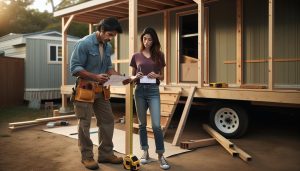
Mobile homes, often referred to as trailer homes, represent a unique housing option that blends affordability with flexibility. Understanding the classification of these homes is crucial not only for potential buyers but also for current owners looking to maintain or upgrade their living spaces. Did you know that mobile homes can fall into several categories, each with its own set of regulations and benefits? This knowledge can empower you to make informed decisions, whether you’re considering purchasing a new home or navigating local zoning laws. By delving into the various classifications of mobile homes and trailers, you’ll discover practical insights that can help enhance your living experience, ensure compliance with legal standards, and optimize the use of your space. Join us as we explore the distinctions and what they mean for your lifestyle and housing goals!
What Defines a Mobile Home vs. Trailer Home?
Understanding the distinctions between mobile homes and trailer homes can help potential homeowners make informed decisions about their living situations. While these terms are often used interchangeably in everyday conversation, specific classifications and characteristics set them apart. Mobile homes, which are built to the standards set by the U.S. Department of Housing and Urban Development (HUD), are manufactured homes that are typically placed on a permanent foundation. They usually offer improved structural integrity, energy efficiency, and a variety of design options compared to older trailer homes.
On the other hand, the term “trailer homes” commonly refers to older models manufactured before these HUD standards were established in 1976. This category often includes travel trailers and fifth-wheels designed for mobility rather than long-term living. Trailers generally lack the permanent construction of mobile homes and are characterized by their lighter, often more transient nature. Additionally, while mobile homes can be financed like traditional houses, including eligibility for mortgages and government assistance, trailer homes may be more challenging to finance due to their classification and perceived value.
Furthermore, an essential aspect to consider is the legal classification of these homes in local jurisdictions. Some areas might require specific zoning permits for mobile homes, making it crucial to check local regulations before purchasing. In summary, while both mobile homes and trailer homes provide unique living arrangements, understanding their classifications, construction standards, and legal implications can guide buyers toward the housing option that best fits their needs.
Key Features of Trailer Homes
Trailer homes, often regarded as a more affordable housing option, possess distinct features that differentiate them from contemporary mobile homes. One of the most defining characteristics of trailer homes is their design, which typically emphasizes mobility. These homes, frequently manufactured before HUD standards were established in 1976, are lightweight and constructed for easy transportation. This transience often comes with a retro aesthetic, appealing to those who prefer a vintage charm in their living space.
Key Features
Many trailer homes are built on a chassis with wheels, enabling them to be moved from one location to another. This feature is complemented by their generally compact size, which makes them suitable for smaller plots or even temporary setups. However, some trailer homes can be retrofitted or placed on permanent foundations, blurring the lines with more modern mobile homes.
The interior layout of trailer homes often reflects efficiency and simplicity. Unlike the more spacious designs seen in manufactured homes, these residences typically feature smaller rooms, which can lead to a cozier atmosphere. While some may view this as a limitation, it also encourages innovative storage solutions and personalized decor that can transform compact living into an appealing feature. Additionally, trailer homes frequently have a lower price point, making them accessible options for first-time homebuyers or those seeking budget-friendly living arrangements.
When considering a trailer home, prospective owners should keep in mind the maintenance needs unique to these homes. Generally, trailer homes may require regular upkeep like checking insulation, inspecting the roof for leaks, and ensuring proper alignment of the axles if they remain movable. While they might not have the same longevity as modern manufactured homes, many trailer homes can be easily upgraded with modern amenities, enhancing both comfort and value. Embracing the distinctive charm and potential of trailer homes can lead to a rewarding housing experience, encouraging a thoughtful approach to homeownership.
Understanding Mobile Home Classifications
Understanding the classifications of mobile homes can significantly influence your experience as a homeowner. Mobile homes, which are often considered a cost-effective housing solution, fall into several distinct categories. These include single-wide, double-wide, and triple-wide homes, built in a factory and delivered to a permanent site. Knowing the differences among these classifications can guide your decision-making process, whether you are purchasing a new home or looking for renovations.
Types of Mobile Homes
- Single-Wide Homes: These units are typically 18 feet or less in width and can range from 40 to 90 feet in length. Their compact size allows for easier transportation and placement on smaller lots, making them ideal for individuals or small families.
- Double-Wide Homes: As the name suggests, these manufactured homes consist of two sections that are joined together. Generally ranging from 20 to 36 feet in width, double-wides provide a more spacious living environment with varied floor plans, making them suitable for growing families.
- Triple-Wide Homes: These are three sections combined, offering an even larger space, usually exceeding 36 feet in width. Triple-wide homes are often designed with multiple bedrooms and bathrooms, catering to larger families or those desiring extra room.
Each classification not only impacts the living space but also affects maintenance and renovation considerations. For instance, while single-wide homes may offer a cozier, compact environment, double-wide and triple-wide homes allow for greater customization opportunities, such as open-concept layouts or additional bedrooms.
Legal and Regulatory Classifications
Legal definitions also play a crucial role in classifying mobile homes. The terminology and regulations vary by region, influenced by government standards such as the HUD Code introduced in 1976, which established safety and construction guidelines for manufactured housing. Homes built before these standards often fall under the “trailer” classification, indicating older construction methods and materials.
Understanding these classifications can aid prospective buyers in ensuring their mobile home aligns with local zoning requirements and securing appropriate financing. Each type has its benefits and challenges, but knowing the classifications is the first step to making an informed decision that aligns with your lifestyle and financial considerations. By narrowing down your options to the type of mobile home that fits your needs, you can explore the exciting possibilities of homeownership in a mobile living space.
Legal Considerations for Trailer Homes
Understanding the legal landscape surrounding trailer homes is crucial for anyone considering this housing option. A trailer home, often referred to as a mobile home, may differ in classification based on various factors, including its age, construction standards, and local regulations. For instance, homes manufactured prior to the introduction of the HUD Code in 1976 are often classified as trailers, which can affect their resale value, legal status, and the type of financing available.
When purchasing a trailer home, it’s essential to check local zoning laws. Many areas have specific regulations governing where trailer homes can be situated, affecting lot size, setbacks, and other requirements. Failure to comply with these regulations can lead to fines or even eviction. Engaging with local housing authorities can provide clarity on zoning restrictions and any permits needed for placing or modifying a trailer home.
Financing options for trailer homes can also differ significantly from traditional home loans. Many lenders require trailer homes to be permanently affixed to a foundation to qualify for standard mortgage financing. If the home is classified simply as a trailer without meeting specific criteria, securing financing could be challenging, usually resulting in the need for personal loans with higher interest rates. Understanding these financial pathways ahead of time can save prospective homeowners from unexpected challenges and expenses.
In addition to zoning and financing, prospective buyers should familiarize themselves with the laws in their state regarding mobile home ownership. Regulations may cover everything from rental agreements for land to responsibilities for maintenance and repairs. It’s wise to consult with a legal expert familiar with mobile home regulations to ensure all legal aspects are considered, providing peace of mind when making this significant investment. By educating yourself about these legal considerations, you can navigate the complexities of trailer home ownership more effectively and enjoy the benefits of this unique housing option.
Financing Options for Mobile Homes
Navigating the world of can be less straightforward than for traditional homes. Often categorized based on their construction and the codes under which they were built, mobile homes can present unique challenges in securing financing. It’s crucial to understand these distinctions, particularly when considering purchasing a mobile home classified as a trailer. Many lenders operate on strict criteria, often requiring that the home be permanently affixed to a foundation to qualify for standard mortgage financing, a significant factor to keep in mind during your search for financial solutions.
When it comes to financing, options for mobile homes typically fall into several categories, each with its own requirements and terms. Chattel loans are a popular option for those who are looking to finance homes that are not affixed to a permanent foundation. These loans are secured by the home itself rather than the land on which it sits, meaning they often come with higher interest rates and shorter terms compared to traditional mortgages. Additionally, securing a chattel loan can be more challenging for older homes or those classified strictly as trailers, as lenders are cautious with these properties.
Another financing route to consider is a conventional mortgage, specifically designed for manufactured homes that meet the HUD guidelines. This typically requires that the home be classified as “real property,” which means it must be attached to a permanent foundation and meet certain construction standards. Homes built after 1976 usually fit this classification, leading to a broader range of financing options with potentially lower interest rates. Programs such as those offered by Fannie Mae can help prospective homeowners secure more favorable loan terms on qualifying mobile homes, which expands opportunities for becoming a homeowner in this market.
Lastly, personal loans are an alternative for those who may not qualify for traditional financing options. While generally easier to secure, personal loans tend to come with higher interest rates and shorter repayment periods, making them a less desirable option for many. It’s essential to evaluate your long-term financial goals and credit situation when considering this path.
By educating yourself on these financing options, you can approach the mobile home market with confidence, choosing the route that best fits your situation and goals. Understanding the distinctions in financing classifications helps ensure that you make informed decisions that support your long-term housing aspirations.
Maintenance Tips for Trailer Home Owners
Maintaining a trailer home may seem daunting, but with a few straightforward practices, you can ensure your living space remains comfortable and efficient for years to come. Regular upkeep not only enhances your home’s functionality but also preserves its value over time. Understanding that trailer homes require some unique care compared to traditional houses will help you keep your home in top shape.
One key maintenance area involves checking your home’s foundation and stability. If your trailer is on blocks, inspect them regularly to ensure they are secure and level. Over time, settling can occur, causing issues such as door misalignment or water pooling. If you notice any signs of shifting, consider contacting a professional to make the necessary adjustments.
Another critical aspect to keep an eye on is insulation and weatherproofing. Trailer homes can be prone to drafts, especially in areas like windows and doors. Regularly inspect seals and caulk around these fixtures to prevent energy loss and reduce heating and cooling costs. Adding insulation in areas such as skirting or crawl spaces can also enhance comfort and efficiency. This is particularly valuable in climates with temperature extremes.
Lastly, routine cleaning and inspections of your appliances and systems are essential. Regularly clean out gutters to prevent water damage and inspect your heating and air conditioning systems to ensure they are running efficiently. Don’t forget to check smoke detectors and carbon monoxide detectors regularly to ensure your home remains safe. Simple tasks like replacing filters and cleaning appliance coils can make a significant difference in energy efficiency and prolong the life of your systems.
By integrating these maintenance tips into your routine, you’ll foster a proactive approach that enhances the longevity and comfort of your trailer home. Embracing these practices not only protects your investment but also promotes a pleasant and secure living environment.
Renovation Ideas for Mobile Homes
Renovating a mobile home offers a unique opportunity to personalize your space while also increasing its value. Unlike traditional homes, mobile homes often come with their own set of quirks and specific considerations, making renovation both fun and practical. Embracing your creativity can lead to stunning transformations that optimize functionality and elevate comfort. Here are some innovative ideas to inspire your renovation journey.
One of the most impactful areas to focus on is the kitchen. Consider updating your cabinetry with fresh paint or new hardware for an instant refresher. If space allows, adding a kitchen island can enhance both storage and meal preparation areas. Additionally, incorporating modern appliances can improve efficiency and aesthetic appeal. For a more budget-friendly option, installing open shelving can provide a contemporary look while making the space feel larger.
The living room is another prime candidate for renovations. New flooring can significantly change the ambiance; consider laminate or vinyl for a stylish, easy-to-maintain option that works well in mobile homes. Reimagining your lighting can also make a big difference-replace outdated fixtures with pendant lights or recessed lighting to create a warm, inviting atmosphere. Furthermore, adding accent walls with paint or removable wallpaper can bring personality to the space without overwhelming it.
Don’t forget about the exterior, where enhancing curb appeal can have a big return on investment. Simple upgrades such as new skirting, fresh landscaping, or exterior paint can drastically improve the first impression your home makes. Installing a deck or patio can also expand your living space outdoors, making it perfect for entertaining or relaxing.
Finally, consider energy efficiency upgrades. Replacing old windows with double-pane options or adding insulation can help regulate temperature and reduce utility costs. Smart home technology, such as programmable thermostats, can further enhance comfort while saving you money in the long run.
By choosing renovations that reflect your style and priorities, you’ll enhance not only the aesthetic appeal of your mobile home but also its functionality and value. These thoughtful updates ensure that your mobile home feels uniquely yours, making it a comfortable and enjoyable space to live in.
Common Misconceptions About Trailer Homes
Despite significant advancements in mobile home construction and design, there are still many misconceptions surrounding trailer homes that can mislead potential buyers and homeowners. One of the most prevalent myths is that trailer homes are synonymous with poor quality and low livability. In reality, modern mobile homes are built under strict federal standards, particularly those set by the Housing and Urban Development (HUD) code. This means they are often more durable and energy-efficient than many traditional homes, offering residents comfort and stability.
Another common misconception is that living in a mobile or trailer home is a sign of financial failure. On the contrary, many people choose this lifestyle not out of necessity, but for its affordability and flexibility. This housing option allows for a more minimalist lifestyle, offering greater financial freedom and less maintenance compared to larger, traditional homes. For many, downsizing to a mobile home is a deliberate choice to reduce expenses and increase leisure time.
People often believe that mobile homes appreciate in value like traditional homes; however, the reality is quite different. Generally, they tend to depreciate over time, similar to vehicles. While location, condition, and upgrades can influence resale value, it’s important for potential buyers to understand that mobile homes do not always function as a long-term investment like conventional real estate. This doesn’t mean they can’t be a wise purchase, particularly for those seeking a temporary or lower-cost living solution.
Lastly, many assume that maintenance and renovations are more challenging in mobile homes than in traditional houses, which can lead to hesitation in choosing this type of dwelling. However, with the right approach and understanding of a mobile home’s unique structure, maintenance can be straightforward. Whether it’s basic upkeep like regular inspections of the plumbing and electrical systems or renovations that suit individual tastes and needs, a well-informed homeowner can navigate the concerns of trailer home living with ease.
Ultimately, educating oneself about these common misconceptions can lead to a more informed and confident decision-making process when it comes to mobile living. Understanding what it truly means to live in a trailer home can help dispel worries and pave the way for a fulfilling lifestyle that many have come to enjoy.
Best Practices for Buying a Mobile Home
When considering the purchase of a mobile home, it’s essential to approach the process with a clear understanding of what to expect, what to look for, and how to best navigate potential challenges. Smart buying practices can not only save money but also lead to a rewarding living experience. Whether you’re a first-time buyer or looking to downsize, knowing your options will help clarify your decision.
Begin your journey by researching different manufacturers and models. Take note of reputable builders whose homes are built under the strict regulations set forth by the Housing and Urban Development (HUD). Also, consider the layout and design that suit your lifestyle: do you prefer cozy living spaces or open concept designs? Visiting model homes can provide valuable insight into both the quality of construction and the available options. Additionally, be sure to inspect the home thoroughly-check for structural integrity, proper insulation, plumbing, and electrical systems. A detailed inspection can identify potential issues early on, saving you from costly repairs later.
Financing a mobile home can often differ from securing a traditional mortgage, so familiarize yourself with available options. Look into specific loans tailored for mobile and manufactured homes and understand how factors like age and location can affect your financing terms. Ask questions about hidden costs such as land rental fees or community fees, especially if the mobile home is part of a mobile home park. It’s prudent to engage with a financial advisor or a lender experienced in mobile home transactions.
Finally, think long-term about your purchase. Mobile homes can be an excellent choice for a more affordable, flexible living arrangement, but being informed about potential depreciation in value compared to traditional homes is crucial. Consider the location, accessibility to amenities, and how the surrounding area fits your lifestyle. Engaging with a real estate agent knowledgeable about mobile homes can provide significant insights, ensuring that you find a home that not only meets your current needs but also supports your future living goals.
By following these best practices, you empower yourself as a buyer, turning what could be a daunting process into an exciting step toward your new home.
Insurance Insights for Trailer Home Living
Living in a trailer home or mobile home can offer a host of benefits, but understanding the nuances of insurance for these unique properties is essential for safeguarding your investment. Unlike traditional homes, the classification of mobile homes as ‘trailers’ can influence the type of insurance coverage you’ll need. The key to securing the right protection lies in comprehending the inherent risks and the specific policies available for mobile or trailer homes.
Insurance for trailer homes typically comes in three primary forms: standard homeowner’s insurance, mobile home insurance, and specialized policies for mobile home communities. Most notably, mobile home insurance is tailored specifically for manufactured homes, addressing the unique aspects of living in a mobile home, such as potential damage from wind storms, flooding, or unique site challenges. Many insurers may also offer actual cash value (ACV) coverage or replacement cost coverage, differing significantly in how claims payments are calculated, which can impact your financial recovery after a loss.
Choosing the Right Insurance
When selecting coverage, consider these critical factors:
- Location: Some areas may have higher risk levels for natural disasters, influencing your premium and coverage options.
- Home park regulations: If your trailer home resides in a mobile home park, their rules might mandate specific insurance coverage.
- Value of personal belongings: Ensure your policy covers not just the structure but also your personal items inside the home.
Additionally, understand any potential limitations in your policy, such as deductibles and coverage caps, especially if your trailer home is not permanently anchored or set on a foundation. Engaging with an insurance agent who understands mobile home intricacies can guide you to secure a policy that not only complies with legal requirements but also fits your unique lifestyle needs.
Ultimately, being proactive about insuring your trailer home will help ensure peace of mind as you enjoy the flexibility and affordability that mobile home living can offer. By investing a little time into researching and comparing insurance options, you can protect your home against unexpected events and focus on what truly matters-creating a vibrant life in your mobile space.
Differences Between Single-Wide and Double-Wide Homes
Understanding the distinctions between single-wide and double-wide homes is crucial for anyone considering mobile home living. Single-wide homes, often referred to as trailers, typically measure up to 18 feet in width and can reach lengths of up to 90 feet. These compact structures are designed to be transported as one unit, making them a popular choice for those seeking affordable housing solutions. Their streamlined design allows for quicker setup and less land preparation, which can be advantageous for first-time buyers or those looking to downsize without compromising comfort.
In contrast, double-wide homes are essentially two single-wide trailers joined together, offering a more spacious living environment. These homes can range from 20 to 36 feet in width and often include more elaborate floor plans and features, such as larger kitchens and multiple bathrooms. The increased space also allows for more flexibility in interior design and layout, accommodating families and individuals with different needs.
Key Differences
- Size: Single-wides are narrower and longer, while double-wides provide expanded width and a more open feel.
- Transportation: Single-wides are moved as a single unit, whereas double-wides are transported in two sections and connected on-site.
- Setup and Foundation: Single-wides often require less land preparation, while double-wides may need a more robust foundation due to their increased weight and complexity.
- Market Pricing: Double-wides usually come at a higher price point due to their size and amenities, which may influence purchasing decisions based on budget.
Choosing between the two can depend on personal preferences, family size, and budget considerations. It’s essential to evaluate your living requirements and assess your financial options carefully. Both single-wide and double-wide homes have distinct strengths, so understanding these differences can guide you to make an informed choice that enhances your living experience in a mobile home.
Sustainability Considerations for Trailer Home Living
Living in a trailer home or mobile home offers unique opportunities for sustainable living that can benefit both residents and the environment. By focusing on energy efficiency, resource conservation, and responsible waste management, those who choose mobile or trailer homes can lead environmentally conscious lifestyles while enjoying affordable housing.
One of the primary considerations for sustainability in trailer home living is enhancing energy efficiency. Many newer mobile homes are built with energy-efficient materials and appliances that significantly reduce energy consumption. Homeowners can further increase efficiency by installing solar panels, which not only provide renewable energy but can also lower utility costs. Additionally, using LED lighting and energy-efficient heating and cooling systems helps minimize electricity use, thus reducing the overall carbon footprint of the home.
Water conservation is another critical aspect of sustainable living in a mobile home. Simple methods such as installing low-flow faucets and showerheads, rainwater harvesting systems, and greywater recycling can greatly reduce water usage. Homeowners can also landscape with drought-resistant plants, which require less water and maintenance, promoting a more sustainable outdoor environment.
Waste management practices play a vital role in sustainability as well. Renting or designating a small area for composting organic waste can reduce garbage output while providing nutrient-rich soil for gardens. Implementing a recycling program for plastics, glass, and metals within the community also encourages responsible waste disposal, contributing to overall environmental health.
Incorporating these sustainable practices into mobile home living not only minimizes environmental impact but also promotes a sense of community awareness and responsibility. By making thoughtful choices, trailer home residents can create a lifestyle that is both livable and beneficial to the planet, showing that affordable housing can indeed coexist with ecological consciousness.
In Retrospect
Understanding how mobile homes classify as trailer homes empowers you to make informed decisions for your living situation. Whether you’re considering purchasing, renovating, or managing a mobile home, the insights you’ve gained here are invaluable. Don’t wait-explore our related guides on maintenance tips to enhance your home’s comfort and efficiency, or check out our financing basics to start your journey today.
If you have any questions, want to share your own experiences, or are looking for specific advice, feel free to comment below! Joining our newsletter also keeps you updated on the latest trends in mobile home living and provides exclusive tips to optimize your space. Embrace the journey of mobile home ownership fully-your new home awaits, and there’s a supportive community ready to help. Explore more, and unlock the potential of trailer and mobile home living!