When considering alternative housing options, you might find yourself weighing the benefits of single wide and double wide mobile homes. Did you know that double wide homes usually provide more space and flexibility for families compared to their single wide counterparts? This choice could significantly impact your living experience, from layout and room variety to potential resale value. Understanding these differences is crucial for making an informed decision that aligns with your lifestyle and financial needs. In this article, we’ll delve into the key distinctions between single wide and double wide mobile homes, exploring factors like design, space utilization, and cost, helping you determine which option is the best fit for you. Continue reading to uncover insights that can guide you in creating a comfortable, inviting home that suits your unique needs.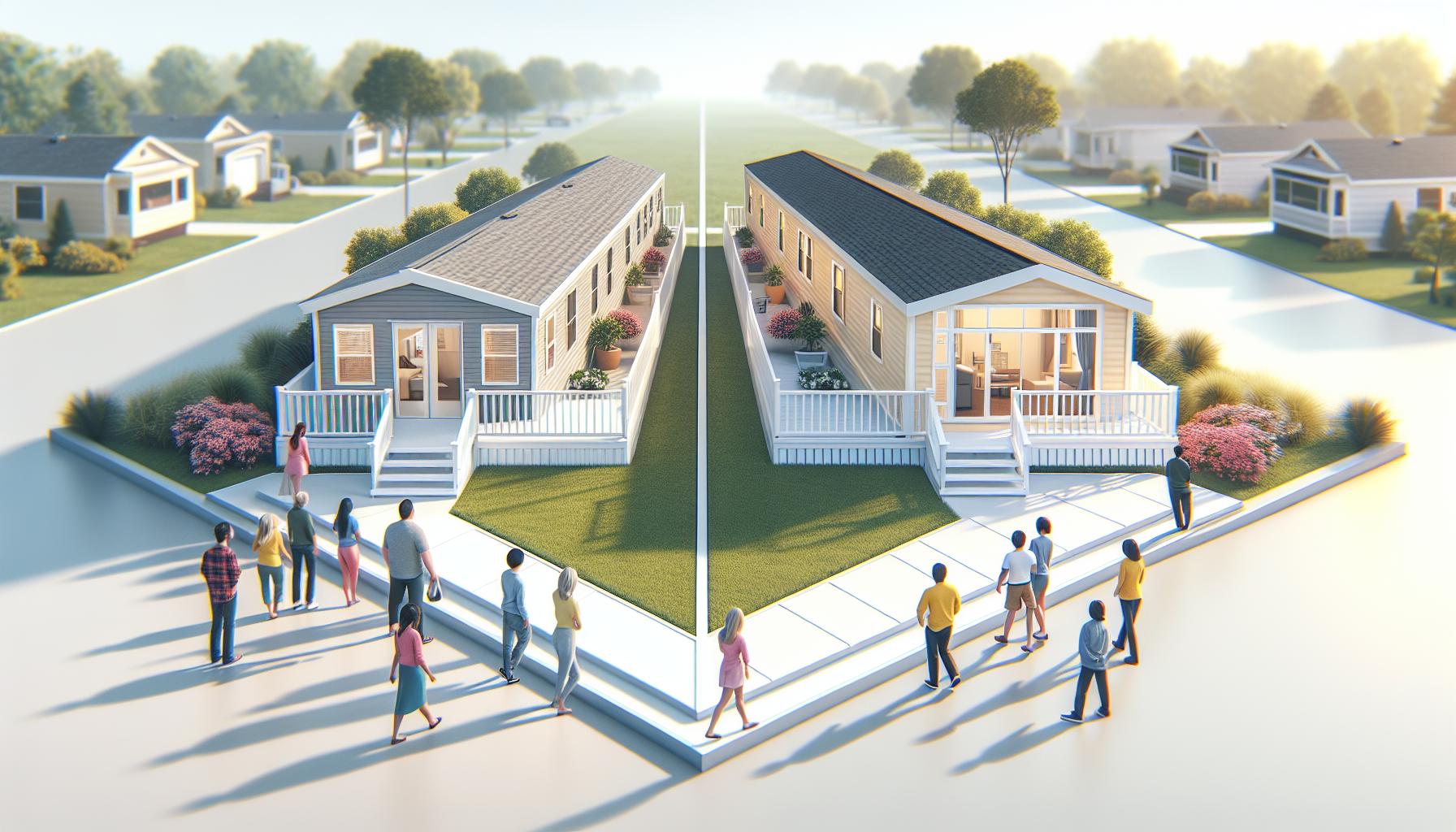
Understanding Single Wide and Double Wide Homes
Understanding the differences between single wide and double wide homes can be a game changer for those exploring their housing options. Single wide homes are typically narrower and more compact, offering a simpler, more economical choice for individuals or small families. Averaging about 14 to 18 feet in width and ranging from 60 to 90 feet in length, these homes have a more linear layout, which can be advantageous for smaller lots or specific zoning restrictions. They are often easier to move, making them a popular choice for those who may not stay in one place for long or who desire mobility.
On the other hand, double wide homes are designed to provide a more spacious living environment. These homes are approximately 20 to 36 feet wide and can exceed 90 feet in length. They are built in two sections, which are transported separately and then connected on-site, resulting in a layout that feels more akin to traditional homes. This extra space allows for a more diverse design, accommodating larger families or those who value open living areas. The double wide structure typically features wider hallways, expansive kitchens, and multi-bedroom options, making it appealing for those seeking comfort and functionality.
When weighing your options, consider how these differences align with your lifestyle and needs. A single wide home may cater well to a minimalist approach or for those who prioritize affordability and lower utility costs. In contrast, double wide homes could be more suitable for families needing additional space or for individuals desiring a more permanent dwelling. Understanding these distinctions will help you make an informed decision that best fits your needs and future plans.
Key Features of Single Wide Mobile Homes
Single wide mobile homes are a popular choice for many due to their affordability and ease of setup. Typically measuring between 14 to 18 feet in width and ranging from 60 to 90 feet in length, these homes boast a compact and efficient design that can fit comfortably in smaller lots. Their streamlined shape not only facilitates easier transportation but also allows for straightforward customization options, enabling homeowners to personalize their space to fit their needs.
Key Features to Consider
One of the standout features of single wide homes is their affordability. With lower purchase prices and reduced utility costs, these homes are particularly appealing for first-time buyers or those on a tight budget. Maintenance is generally simpler too, given their smaller size, which may translate to less time spent on upkeep. Additionally, they often feature open living spaces with functional layouts, making effective use of every square foot.
Mobility and Flexibility
Another significant advantage is mobility. Many single wide mobile homes are built for easier moving compared to double wides. This characteristic is particularly beneficial for individuals or families who may relocate frequently for work or personal reasons. With fewer components to manage during transportation, along with lighter overall weight, homeowners can transition to a new location with relative ease.
Ideal for Specific Lifestyles
Lastly, single wide homes cater well to various lifestyles, particularly those embracing minimalism or downsizing. Whether you’re a young professional seeking a starter home or a retiree looking to simplify your living situation, these homes offer the flexibility and efficiency to meet diverse needs. Buying a single wide mobile home can be a stepping stone into homeownership, combining the benefits of affordability, effective use of space, and minimal maintenance.
Choosing a single wide mobile home might just align perfectly with your aspirations for a practical and economical lifestyle without sacrificing comfort or convenience.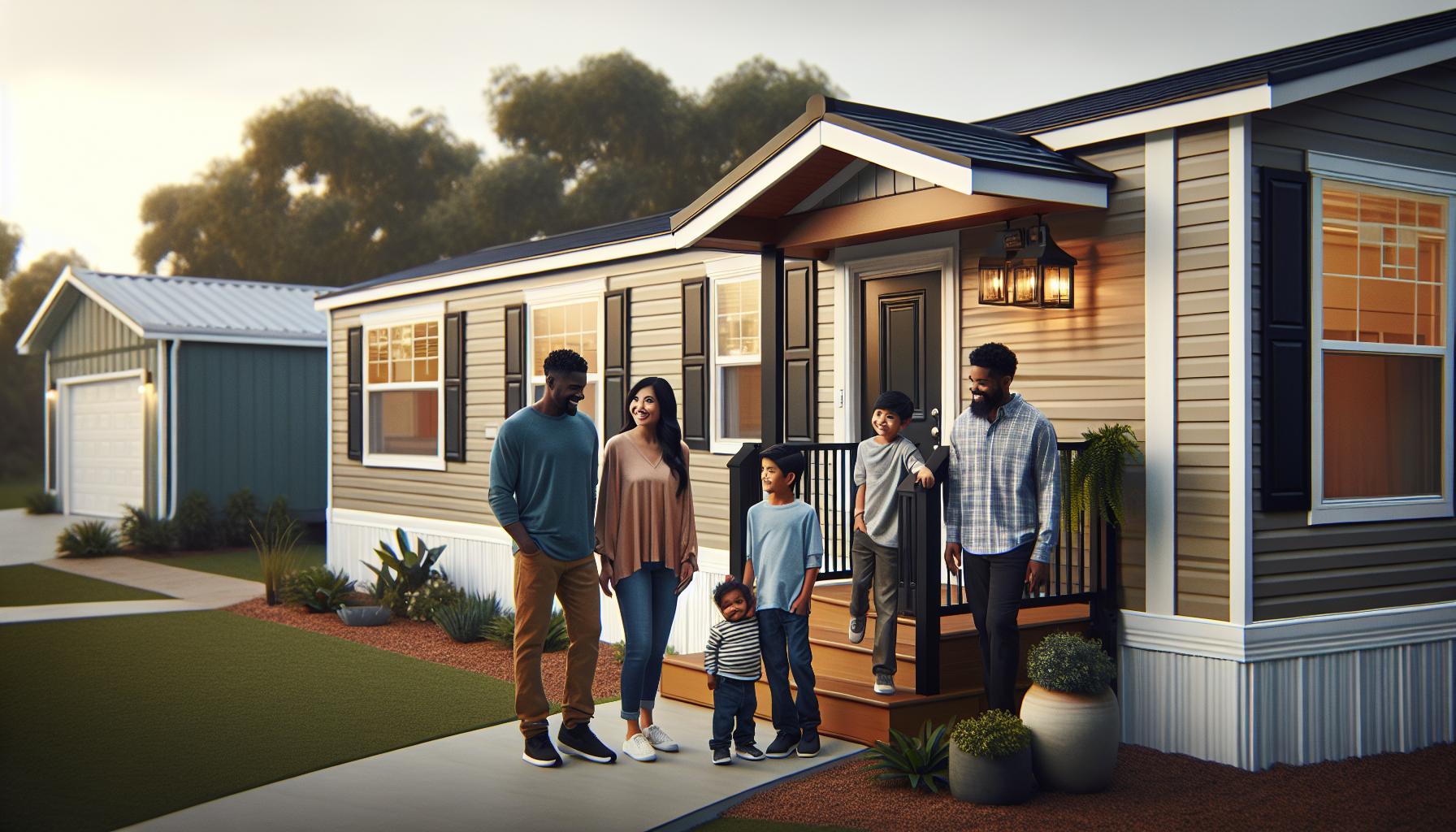
Key Features of Double Wide Mobile Homes
Double wide mobile homes offer a spacious and versatile living option that appeals to families and individuals seeking more room without the expense of a traditional house. Typically measuring between 20 to 36 feet in width and 60 to 90 feet in length, these homes are designed to provide not just space, but also comfort and functionality. With the layout often resembling that of a conventional home, double wides incorporate multiple bedrooms, two bathrooms, and open living spaces, making them ideal for larger households or those who value privacy.
One prominent feature of double wide homes is the elaborate floor plan options available. Homebuyers can choose from various configurations that range from open layouts to more traditional designs with defined living, dining, and kitchen areas. This flexibility allows purchasers to select a model that best fits their lifestyle, whether they need additional rooms for children, a home office, or entertaining spaces. Furthermore, many double wide homes come equipped with modern amenities such as energy-efficient appliances, updated bathroom features, and spacious kitchens, which enhance daily living experiences.
When it comes to construction and durability, double wide homes typically have a more robust foundation compared to their single wide counterparts. This increased stability not only contributes to better insulation and energy efficiency but also makes them suitable for more permanent placements, akin to conventional houses. Homeowners often appreciate the added value that a well-constructed double wide can bring, particularly if they choose to customize exterior features like decks or porches.
Affordability remains a key consideration with double wide mobile homes, especially when compared to traditional housing costs. While they may have higher initial prices than single wide homes, they often provide more square footage for the price, making them an attractive option for those prioritizing space along with budget-conscious living. Additionally, financing options vary, with potential for competitive rates often available for double wide purchases, allowing more people access to comfortable living spaces that feel like home.
In summary, whether it’s the generous living space, versatile layout options, enhanced durability, or a balance of affordability and comfort, double wide mobile homes offer significant advantages for anyone considering a manufactured home as a viable living solution.
Space and Layout Differences Explained
When choosing between single wide and double wide mobile homes, one of the most significant differences lies in their space and layout. Understanding these variations can greatly impact your living experience and help you make an informed decision about which type best meets your needs.
Single wide mobile homes typically span between 12 to 18 feet in width and can range from 60 to 90 feet in length. This compact nature allows for a streamlined layout, often featuring a straightforward design that maximizes available space. Generally, single wides consist of one to three bedrooms, a living area, kitchen, and bathroom, arranged in a linear fashion. This design can be particularly advantageous for first-time homebuyers, retirees, or individuals who prefer a more minimalist lifestyle. However, the limited width can make it challenging to find room for additional features or a variety of amenities.
In contrast, double wide homes offer a more expansive and versatile layout that caters to families or individuals looking for extra space. Measuring 20 to 36 feet wide, these homes provide a much broader canvas to work with, allowing for multiple rooms and varied floor plans. With the ability to incorporate open spaces, separate dining and living areas, and additional bedrooms, double wide mobile homes often resemble traditional houses, fostering a more comfortable and functional environment. For instance, many models feature large kitchens with islands, spacious living areas, and bathrooms that can include dual sinks or soaking tubs, offering a level of luxury that single wide homes may lack.
The design of double wides also provides greater opportunities for customization. Homeowners can often choose layouts that best match their lifestyles, whether prioritizing entertaining, family time, or private spaces. The configured design encourages personal touch-think about adding a finished porch, a dedicated office, or a versatile playroom for children. The sheer size and layout flexibility of double wide mobile homes can help create an atmosphere that truly feels like home, tailored to your specific needs and preferences.
Ultimately, whether you opt for single wide or double wide, understanding the space and layout differences can lead to a more satisfying living arrangement that aligns with your lifestyle, budget, and future needs.
Affordability: Cost Comparisons and Financing Options
Considering the financial landscape of mobile home ownership can make a significant difference in your decision-making process. Typically, single wide mobile homes present a more budget-friendly option than their double wide counterparts. With prices generally ranging from $40,000 to $80,000, single wides are often appealing to first-time buyers or those looking to downsize. Their compact size allows for lower land and utility costs, creating a more accessible entry point into homeownership.
Financing Options
While traditional mortgages are available, many financial institutions offer specialized loans for mobile homes. Single wide homes often qualify for personal loans or chattel loans, which are simpler and sometimes quicker to obtain. These types of financing typically do not require the same level of down payment as a conventional home mortgage, making it easier for buyers with limited savings to secure financing.
On the other hand, double wide mobile homes can range from $70,000 to $150,000 or more, depending on custom features and location. Their wider span and larger floor plans make them comparable to traditional homes in terms of financing. These homes often qualify for conventional loans, which can make them a more substantial investment but also potentially lead to greater equity accumulation over time.
Cost of Ownership
When evaluating affordability, consider not just the purchase price but also the overall cost of ownership. For example:
- Insurance: Double wide homes typically cost more to insure due to their larger size and value.
- Utilities: The energy requirements can be higher in a double wide, affecting monthly expenses.
- Maintenance: Both types require upkeep, but larger homes often incur higher repair and maintenance costs.
Understanding these factors can help you make a well-informed decision, aligning your choice with both your financial capabilities and lifestyle preferences. As you contemplate your living options, remember that each type of mobile home offers unique advantages, and your selected financing strategy can facilitate your step toward a more affordable housing solution.
Building Codes and Regulatory Considerations
When considering mobile homes, understanding the essential can significantly impact your overall experience of home ownership. Mobile homes, whether single or double wide, must conform to specific regulations that vary by state, county, and municipality. One pivotal standard is the HUD Code, established by the U.S. Department of Housing and Urban Development, which governs the construction and installation of manufactured homes. Compliance with these codes ensures that your home meets safety, durability, and energy efficiency requirements.
For single wide homes, the smaller size may afford some leniency in zoning regulations, but they still require proper placement and setup according to local codes. This includes adhering to standards for anchoring to the ground, which is crucial for safety in adverse weather conditions. On the other hand, double wide homes, which are more substantial and often considered similar to traditional homes, may face more stringent regulations. They typically need to be installed on a permanent foundation in many jurisdictions, which can raise initial costs but also provide increased stability over time.
It’s advisable to check with local building authorities before purchasing or placing either type of home. This diligence can prevent future headaches, such as fines or the need for expensive modifications to comply with local ordinances. Moreover, understanding the zoning laws in your area is critical. Certain communities may have restrictions on where mobile homes can be placed, particularly in residential neighborhoods versus mobile home parks.
In addition, you may wish to explore local tax implications, as some jurisdictions levy specific taxes on mobile homes, differing from traditional homes. Engaging with these aspects of mobile home ownership not only makes the transition smoother but also enhances your investment in your living space. Therefore, being proactive about building codes and regulations will help you create a safe, compliant, and enjoyable environment in your chosen mobile home.
Energy Efficiency: Which is More Sustainable?
When it comes to energy efficiency, the differences between single wide and double wide mobile homes are significant and can greatly affect your long-term utility costs and environmental impact. Double wide homes, with their larger size and more expansive layout, often provide better insulation capabilities compared to single wide homes. The added square footage in double wides allows for different construction techniques, including thicker walls and more modern energy-efficient materials, resulting in superior thermal performance. As a result, homeowners may find that double wide homes retain heat better in the winter and keep cool air in during the summer, reducing reliance on heating and cooling systems.
In contrast, single wide homes, while generally cheaper, may have limitations in insulation and energy-efficient options due to their smaller size and simpler construction. However, there are still effective ways for owners of single wide homes to enhance energy efficiency. Simple improvements such as upgrading windows to double-paned glass, adding insulation in the walls and floors, and ensuring that sealing around doors and windows is adequate can significantly reduce energy loss.
Moreover, both types of homes can benefit from the installation of energy-efficient appliances, which can drastically cut down on electricity usage. Homeowners should also consider integrating renewable energy sources like solar panels wherever possible, as this can enhance sustainability regardless of the home’s size. By carefully considering these factors, potential buyers can make informed decisions that align with both their energy efficiency goals and budgetary constraints.
Ultimately, the choice between single wide and double wide homes should also factor in lifestyle needs alongside energy efficiency. Those who prioritize lower utility bills may find that the long-term savings of a double wide home outweigh the initial costs, while others may prefer to invest in energy-saving upgrades for a single wide to achieve a balance between affordability and sustainability.
Pros and Cons of Single Wide Homes
Choosing a single wide home can be an exciting prospect, particularly for those looking for a more affordable and efficient living option. One of the most compelling advantages is the lower overall cost. Single wide homes are typically less expensive than their double wide counterparts, making them an attractive option for first-time buyers or those on a tight budget. In fact, many individuals find that even with additional upgrades and modifications to enhance living conditions, they can still remain within their financial means.
However, it’s essential to consider some downsides as well. The narrower layout of single wide homes can limit design flexibility and space for larger families or gatherings. This limitation sometimes translates into less room for essential amenities or personal storage, which can be a challenge for those accustomed to more expansive living environments. Moreover, some potential buyers may notice that the simpler construction methods generally used in single wide homes can lead to limitations in energy efficiency and insulation, which are crucial in maintaining a comfortable indoor climate.
Benefits of Single Wide Homes
- Affordability: Lower purchase price compared to double wide options.
- Easy Mobility: Single wide homes are simpler to transport if relocation is necessary.
- Low Maintenance: Generally easier to maintain due to smaller size and less complexity in design.
Drawbacks of Single Wide Homes
- Space Constraints: Less room for family members or entertaining guests.
- Limited Customization: Fewer options for layout modifications compared to double wides.
- Potential Energy Inefficiencies: Smaller size can impact insulation and heating/cooling efficiency.
To make the most of a single wide home, owners can focus on strategic space-saving solutions such as multifunctional furniture, vertical storage options, and clever room layouts. Enhancements like updates in insulation, energy-efficient appliances, and smart home technology can also improve comfort and efficiency, helping residents enjoy their space to the fullest. Embracing the concept of simple living can also lead to a more manageable lifestyle, proving that smaller spaces can be both beautiful and functional.
Pros and Cons of Double Wide Homes
Double wide homes are often seen as the more spacious and luxurious option compared to their single wide counterparts, appealing to families and individuals looking for comfort without the financial burden of traditional homes. One of the most significant advantages of double wides is their generous living space. With widths typically ranging from 20 to 32 feet, these homes provide a layout that can accommodate larger families or multiple occupants comfortably. The expansive floor plans allow for multiple bedrooms, larger bathrooms, and often feature open-concept living areas that make entertaining a breeze.
However, with increased space comes additional considerations. Double wide homes generally come with a higher price tag compared to single wides, not just in terms of initial purchase cost but also concerning site preparation and transportation expenses. Additionally, the larger footprint can lead to higher property taxes and increased utility costs, which are essential factors for prospective buyers to weigh. Furthermore, some double wides may require more elaborate foundation work, depending on local regulations, which can add to the overall cost and complexity of installation.
Benefits of Double Wide Homes
- Spacious Interiors: More room for family members, guests, and storage options.
- Flexible Layouts: Increased customization opportunities for floor plans and designs.
- Upgraded Features: Many double wides come equipped with modern amenities and higher-quality finishes.
Drawbacks of Double Wide Homes
- Higher Initial Investment: Generally more expensive than single wide homes, impacting budget considerations.
- Installation Complexity: May require more extensive foundation work and local permits.
- Utility Costs: Larger space can lead to increased heating, cooling, and general maintenance expenses.
When making a decision between single and double wide homes, potential buyers should consider their lifestyle, family size, and long-term financial plans. Understanding the trade-offs between cost, space, and customization can help guide a choice that not only fits their current needs but also adapts to future changes in their lives. Investing time in research and consultation can pave the way for a smooth transition into homeownership in the mobile home arena.
Ideal Uses for Single Wide vs. Double Wide
In the world of mobile homes, the choice between single wide and double wide designs often hinges on lifestyle, family size, and intended use. Single wide homes, typically narrower and more compact, can be ideal for individuals or small families who prioritize affordability and ease of maintenance. These homes are well-suited for rental properties, vacation getaways, or starter homes, making them a practical choice for those needing to minimize costs while enjoying the flexibility of mobile living. Their smaller footprint allows for easier placement on tighter lots or even in mobile home communities, where space may be limited.
On the other hand, double wide homes shine in scenarios that demand more space and comfort. Families with children, frequent guests, or those who enjoy entertaining will find the expansive living areas and multiple bedrooms beneficial. Double wides can provide a sense of traditional home living, with larger kitchens and dining spaces, and they are often chosen for permanent residence rather than as temporary housing. Moreover, their design allows for added features and customizations, catering to a variety of needs such as home offices, hobby rooms, or additional storage.
In addition to family dynamics, the intended location can also influence the choice. For urban settings with smaller lots, single wides often offer a pragmatic solution to housing needs without overwhelming the available space. Conversely, rural or suburban locations may offer more room for double wides, letting homeowners take full advantage of their spacious layouts. Ultimately, the decision should reflect not just current needs, but also future aspirations, keeping in mind the space required for growth and lifestyle changes. Embracing either option can lead to a fulfilling mobile home experience, tailored to specific preferences and requirements.
Maintenance Considerations for Each Type
Maintaining a mobile home, whether single wide or double wide, requires an understanding of the distinct features of each type and how they affect upkeep. Single wide homes, being narrower and more compact, generally demand less intensive maintenance in terms of exterior upkeep. Their simpler design often translates to fewer roof seams and less siding, making it easier to keep leaks at bay. Regular inspections and maintenance tasks, such as clearing gutters and checking for wear around windows and doors, can significantly prolong their lifespan.
In contrast, double wide homes, with their expansive layouts and larger surfaces, may require more frequent maintenance efforts. Managing two sections means paying attention to the connection points where the halves join, as these areas can be prone to leaks if not properly sealed. Homeowners should prioritize inspecting foundations and often retightening the support jacks and beams to avoid sagging issues. Additionally, the larger exterior means more siding to clean and inspect-developing a routine for power washing and checking for damage will preserve both appearance and function.
Tips for Effective Maintenance
For both types of mobile homes, adhering to a maintenance schedule can significantly reduce long-term repair costs. Here are some essential tasks to consider:
- Check Roofs Regularly: Look for cracks or damages at least twice a year, and immediately after severe weather.
- Inspect Skirting: Ensure there are no gaps or breaches to prevent pests from entering.
- Test Plumbing: Regularly check for leaks in the plumbing system-early detection is key.
- Maintain HVAC Systems: Clean or replace filters every season to ensure efficient heating and cooling.
Investing time and resources into these maintenance tasks will not only enhance the quality of living but also help maintain the home’s value over time, making it a more resilient and enjoyable space for many years to come. Whether it’s the compact convenience of a single wide or the spacious comfort of a double wide, proper maintenance is essential for a fulfilling mobile home experience.
How to Choose the Right Option for You
Choosing between a single wide and a double wide mobile home involves understanding your individual needs and preferences to make an informed decision. Single wide homes are typically more affordable and easier to transport, making them ideal for those looking for a budget-friendly option or the flexibility of relocating. They can fit into smaller plots of land and may require less land preparation, leading to lower initial costs.
On the other hand, if you prioritize space and comfort, a double wide may be the better choice. These homes offer more living space with larger rooms and an open floor plan, which can enhance your living experience significantly. They are particularly suited for families or those who enjoy entertaining guests, as the extra space can accommodate more people comfortably. Additionally, double wides often have increased resale value, which is a crucial factor if you plan to invest long-term.
When making this choice, consider your lifestyle, budget, and future plans. Assess factors like the number of occupants, desired layout, and whether you have the resources for maintenance. To simplify the decision, create a pros and cons list for each option based on your personal circumstances. This exercise can clarify which type of home aligns better with your living situation and financial capabilities.
Ultimately, selecting the right mobile home type should resonate with your vision of a comfortable and functional living space. Evaluating your daily needs and how each option meets those requirements will guide you to a decision that not only fits your immediate circumstances but also supports your future aspirations.
To Conclude
Now that you’ve explored the differences between double wide and single wide trailers, it’s clear that understanding these options is essential for making the right housing choice. Whether you prioritize space, affordability, or layout, knowing your preferences can help you find your ideal home. Don’t hesitate to dive deeper into related topics like maintenance tips for mobile homes or guidance on financing your purchase.
Ready to take the next step? Consider joining our newsletter for more expert insights, or explore our comprehensive guides on home care essentials and renovation projects designed for all experience levels. Plus, your feedback is invaluable! Share your thoughts or questions in the comments below-your engagement helps build a supportive community around trailer and mobile home living. Keep exploring, and let us help you create the perfect space for your future!