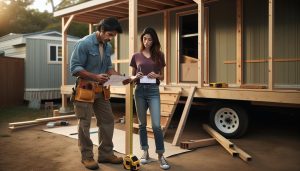
Leveling a mobile home trailer is crucial for ensuring structural integrity and comfort. Did you know that an unlevel trailer can lead to issues like uneven floors and plumbing problems? Whether you’re new to trailer living or seeking to enhance your home’s stability, mastering the leveling process is essential. With simple tools and professional techniques, you can transform your living space, preventing costly repairs down the road. This guide will walk you through each step, addressing common concerns and providing practical tips to succeed in leveling your mobile home. Dive in to discover how making this essential adjustment can enhance your overall living experience!
Understanding the Importance of Leveling Your Mobile Home
Leveling your mobile home is not just about comfort; it’s essential for maintaining the integrity and longevity of your investment. A well-leveled home ensures that structural stresses are minimized, reducing the risk of long-term damage. When a mobile home is uneven, it can lead to issues such as sagging floors, misaligned doors, and even plumbing problems due to the shifting of pipes. Proper leveling can also enhance energy efficiency by allowing your home’s heating and cooling systems to operate more effectively, ultimately saving you money on utility bills.
In addition to preventing damage, leveling your mobile home contributes to safety. An unlevel home can increase the risk of accidents, such as falls or structural failures, particularly during severe weather conditions. Furthermore, local building codes may require mobile homes to meet specific leveling standards. Compliance with these regulations helps ensure that your living space is safe and secure, giving you peace of mind.
To fully appreciate the importance of leveling, consider the effects on your overall living experience. A level home provides a stable foundation, allowing for better furniture placement, which contributes to a more inviting and organized atmosphere. Moreover, addressing leveling issues promptly prevents minor problems from escalating into costly repairs. By prioritizing leveling as part of your home maintenance routine, you not only safeguard your structure but also enhance your quality of life in your mobile home.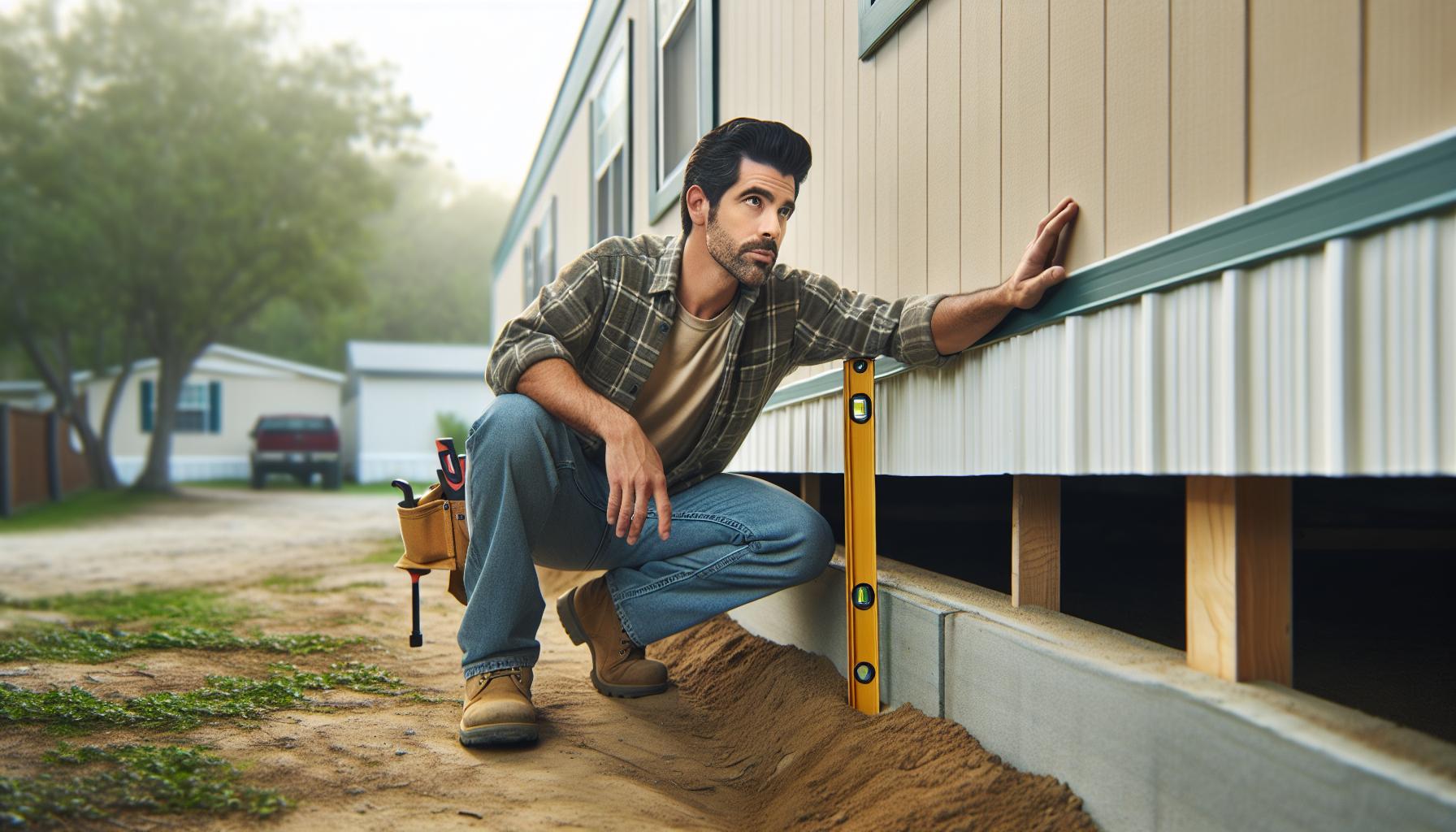
Signs Your Mobile Home Needs Leveling
Recognizing when your mobile home requires leveling is crucial, as early detection can prevent more severe structural problems from developing. There are several key indicators that suggest it’s time to take action. One of the most obvious signs is visible shifts in your home’s structure. Look for doors and windows that stick, trouble closing, or gaps that have formed around frames. These issues typically arise when the foundation becomes uneven, causing misalignments.
Another telltale sign is floor problems. If you notice sagging sections or areas that feel bouncy underfoot, it may indicate that your home is not level. Additionally, excess movement during strong winds or when walking throughout the home can signal stability issues. Pay attention to cracks in walls or ceilings as well; these can develop due to shifts in the foundation and often lead to further deterioration if not addressed promptly.
Other Considerations
Checking for unmet grounding is another aspect. If you see that your home is sitting unevenly on blocks or that some jacks are higher than others, it’s time to take leveling into consideration. You might also notice plumbing problems-such as countertops that slope toward a particular direction, leading to uneven sinks or pooling water. These signs not only indicate a need for leveling but also suggest that water damage could become an issue if exacerbated by improper drainage caused by an unlevel structure.
Ultimately, keeping an eye out for these indicators will help ensure your mobile home’s stability and prevent costly repairs in the future. If you notice any of these signs, it’s essential to assess the situation promptly and determine whether DIY solutions will suffice or if professional help is necessary for your leveling needs.
Essential Tools for Leveling a Mobile Home Trailer
Among the essential steps to maintain stability in your mobile home, having the right tools on hand is crucial for effective leveling. Using the correct equipment not only simplifies the leveling process but also ensures that the work you do today will yield lasting results. Here’s a breakdown of the key tools you’ll need to tackle this project.
To start, a leveling tool is the most critical item. A standard bubble level or, even better, a laser level offers precise measurements to identify how far off level your mobile home is. Having this at your disposal can greatly increase the accuracy of your adjustments. Along with this, a measuring tape is essential for confirming the heights of your home’s foundation at various points, helping you determine where adjustments are necessary.
Next, a socket wrench set is invaluable for adjusting the jacks that support your mobile home. You’ll typically need to make several adjustments to raise or lower the home as you work towards leveling it. Additionally, a jack (preferably a hydraulic model for ease of use) is needed to elevate your mobile home. Be sure to have several blocking materials, such as treated wood blocks or concrete blocks, to create a secure and level base under the jacks.
Incorporating basic safety gear is equally important. A pair of thick gloves protects your hands while you handle tools and equipment, and eye protection is essential to safeguard against debris. If you’re going under the home, consider using a work light or flashlight to keep your workspace well-lit, making it easier to see what you’re doing.
Lastly, keep a notepad handy to record any observations or changes you make throughout the process. This not only helps you track your progress but also aids anyone else who may assist you in understanding what has been done.
Equipping yourself with these essential tools will make the leveling process more manageable and less daunting, allowing you to maintain a safe and stable living environment. Happy leveling!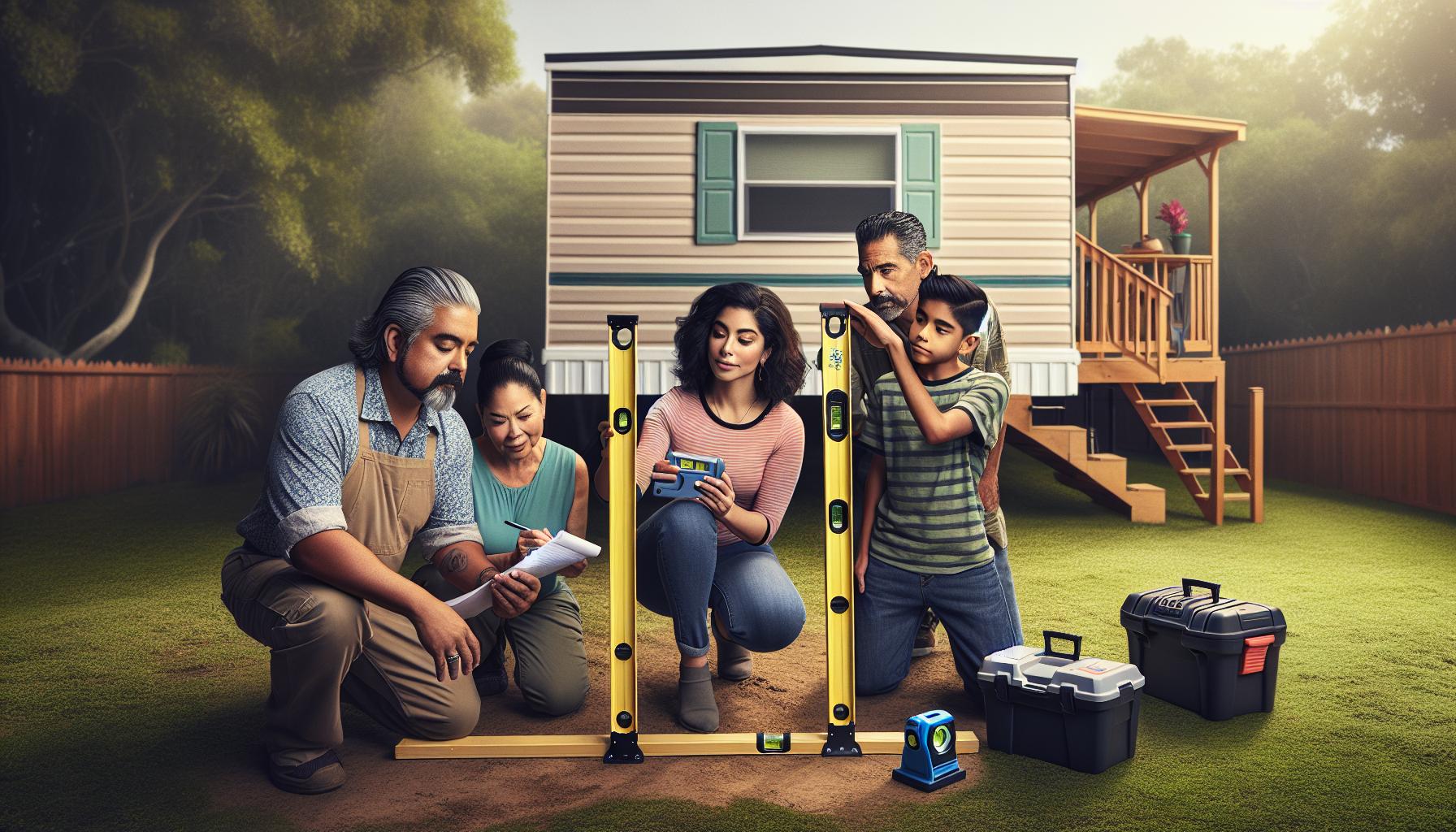
Step-by-Step Guide to Level a Mobile Home
To ensure your mobile home remains a safe and comfortable haven, leveling it is paramount. A well-leveled home not only prevents structural issues but also enhances the overall living experience. Here’s how to effectively level your mobile home, step by step, ensuring professional-quality stability and comfort.
Start with a thorough assessment. Before you begin, use a leveling tool, such as a laser level or a standard bubble level, to identify any uneven areas in your mobile home. Measure the height of the foundation at various points, typically at each corner and the center of the home. Take note of discrepancies; this will help you identify the most critical areas that need adjustment.
Once you’ve identified the uneven spots, prepare the area by clearing any debris around your mobile home’s foundation. Next, gather your tools: you’ll need a socket wrench set, hydraulic jacks, blocking materials, and safety gear, including gloves and safety goggles. Position your jacks at the identified points of adjustment, ensuring they are placed beneath the structural beams for maximum support.
Begin the leveling process at the highest point identified in your assessment. Gradually raise that corner of the mobile home using the hydraulic jack until it is level with the adjacent points. It’s essential to raise it slowly to avoid sudden jolts that could damage the structure. Keep checking your level as you go; it may take several adjustments to reach a perfectly stable state. Once the desired level is achieved, secure the jacks and place your blocking materials underneath to provide permanent support.
After leveling is complete, don’t forget to inspect the interior of your mobile home for signs of damage caused by the previous unleveling. Check for any cracks in the walls or ceilings, and ensure that doors and windows open and close smoothly. This step is crucial as it allows you to address any structural or aesthetic issues before they worsen. Regular checks and maintenance after leveling will ensure that your mobile home remains stable and inviting for years to come, giving you peace of mind in your living space.
Advanced Techniques for Professional-Level Stability
Achieving optimal stability in your mobile home requires more than just a standard leveling technique; it often involves employing advanced methods that enhance the structural integrity of your home. One such technique is the use of piers and footings, which serve as a robust foundation. By strategically installing adjustable steel piers beneath your home’s frame, you can create a stronghold that can adapt to changes in ground conditions over time. Each pier can be calibrated independently to account for shifts in the soil, ensuring that your home remains stable regardless of weather changes or ground movement.
Another essential technique is the implementation of a cross-bracing system. This approach involves adding diagonal braces between the support piers and the chassis of your mobile home. These braces help to distribute weight evenly and resist lateral movement caused by wind or seismic activity, providing an extra layer of security. Selecting materials like steel or pressure-treated wood for bracing will enhance durability and longevity.
For those looking into more high-tech solutions, utilizing hydraulic leveling systems can provide a professional-level adjustment. These systems often involve installing hydraulic jacks combined with remote controls, allowing for precise, incremental adjustments. With a fixed installation, you can automatically level your home with just a push of a button, ensuring that even slight shifts in the foundation are corrected instantaneously.
It’s also necessary to conduct soil tests surrounding your mobile home. Before leveling, understanding the type of soil can guide your choice of materials and support systems. Certain soils may require specialized drainage techniques to prevent moisture accumulation, which can lead to destabilization.
Lastly, regular maintenance checks post-leveling, including inspecting the integrity of the piers and bracing, will prolong the life of your leveling efforts. This proactive approach not only preserves your mobile home’s structure but also enhances its overall value, making your living experience safer and more comfortable for years to come.
Common Mistakes to Avoid When Leveling
Leveling a mobile home is essential for its stability and the comfort of its occupants, yet many homeowners overlook critical steps that can lead to costly mistakes. One common error is neglecting to assess the ground conditions before beginning the leveling process. Soil type significantly affects how a mobile home sits; for instance, sandy soils may shift more than clay, leading to uneven settling. Conducting preliminary soil tests can help in choosing the right materials and methods for a stable foundation.
Another frequent mistake involves skipping the inspection of the home’s existing support system. It’s crucial to evaluate the condition of the piers and beams that already support the mobile home. If these components show signs of wear, such as rot or structural weakness, addressing these issues before level adjustments is necessary to prevent future stability problems. Failure to replace or reinforce these elements can lead to serious structural issues down the line.
In addition, miscalculating the amount of adjustment needed during leveling can result in more harm than good. Improper elevation causes doors and windows to stick, creates gaps in the walls, and may even lead to further instability. It’s advisable to level incrementally and make adjustments slowly. Using a level gauge regularly during this process will ensure more accurate results.
Finally, underestimating the value of professional help can be a mistake many mobile home owners make. For those unfamiliar with the leveling process, reaching out to a professional could save time and money in the long run. Experts are trained to look for nuances in soil and support integrity that may not be apparent to the untrained eye. By avoiding these common pitfalls, homeowners can effectively maintain their mobile homes, ensuring they remain safe, stable, and comfortable for years to come.
How to Check for Damage After Leveling
After leveling your mobile home, it’s crucial to perform a thorough damage check to ensure the structure is still safe and comfortable for living. An effective inspection can help you identify any new issues that may have arisen during the leveling process or were already present but exacerbated by the adjustments. Acting promptly can save you from more significant problems down the line.
Start by examining the interior and exterior of your mobile home for visible signs of damage. Look for:
- Cracks in the walls: Small cracks can sometimes appear due to settling or shifting, while larger cracks may indicate serious stability issues.
- Doors and windows: Test all doors and windows to see if they open and close properly. Issues like sticking or gaps can signify that the structure is still shifting.
- Flooring problems: Check for uneven spots or sagging floors, which could point to more extensive foundation issues.
- Cabinet alignment: Open and close kitchen cabinets to ensure they remain level and do not rock; misalignment may suggest an underlying issue.
Structural Support Evaluation
It’s also essential to examine the support system, including piers and beams, that holds up the mobile home. Inspect for signs of wear, decay, or any misalignment. If wood is rotting or metal components are rusting, they may need repair or replacement to maintain the integrity of your home. Ensure that all jacks used during the leveling process have been removed or adjusted as necessary.
Water Damage Check
Lastly, look out for any signs of moisture or water damage. After leveling, it’s essential to inspect areas prone to water retention, such as under sinks and around the plumbing fixtures. Mold or mildew can develop quickly in damp environments, so addressing water issues promptly will help avoid larger health concerns.
Maintaining your mobile home requires vigilance even after leveling. Taking the time to conduct a detailed damage assessment can lead to better longevity and quality of life in your mobile home.
Maintaining Your Mobile Home’s Level: Tips and Best Practices
To ensure the longevity and safety of your mobile home, maintaining its level is essential. An improperly leveled home can lead to a host of issues, including structural damage, plumbing problems, and even unwelcome shifts in the aesthetics of your living space. Regular maintenance can prevent these complications, making your mobile home not just more comfortable, but also safer for you and your family.
One of the simplest yet most effective practices is to conduct regular visual inspections of your home. Look for signs like uneven floors, cracks in the walls, or misaligned doors and windows. If anything seems amiss, take immediate action. Utilize a basic level tool to check the integrity of your home’s leveling. If you find it necessary to make adjustments, always begin by clearing debris or vegetation from around the skirting and piers to ensure a solid base.
It’s also beneficial to familiarize yourself with the type of underpinning your mobile home uses. Knowing whether it utilizes blocks, piers, or a concrete slab can inform your maintenance approach. For homes on piers, check the alignment and condition regularly, as shifting can occur over time. Any identified wear should be addressed promptly, as deteriorating foundational supports can lead to serious issues down the line.
Finally, considering a schedule for professional inspections can be invaluable. Experts can pinpoint underlying issues that may not be apparent at a glance. If your home is located in an area prone to severe weather changes or soil movement, it may be wise to have your home leveled seasonally. This maintains optimal stability, allowing for worry-free living, and can extend the lifespan of your mobile home significantly. Taking these small steps can make a remarkable difference in keeping your mobile home in top condition.
When to Call a Professional for Leveling Services
If you find yourself struggling with your mobile home’s stability or level, it can be disheartening to realize that some situations may require professional intervention. It’s essential to know when to reach out for help because mishandling leveling can lead to further complications down the line. There are several key indicators that suggest bringing in an expert is the best course of action.
First, if your visual inspections reveal serious signs of foundation issues, such as significant cracks in walls or floors, this may indicate an underlying problem that goes beyond simple leveling. Such defects can compromise your home’s structural integrity, and it’s crucial to address them before they escalate. Similarly, if you notice doors and windows that stick or won’t close properly, it might be time to call in a professional who can accurately assess the situation and recommend solutions tailored to your specific needs.
Another indicator is if you have made attempts at DIY leveling only to find that the issues persist or worsen. Leveling a mobile home is a delicate process, and without the right tools and expertise, it can easily lead to more significant problems. Professionals come equipped with the knowledge and specialized equipment necessary for accurate adjustments, ensuring not only that your home is level but also that it stands strong against environmental factors.
Lastly, consider your local climate and ground conditions. If you live in an area susceptible to frequent soil shifts or extreme weather changes, it might be prudent to establish a routine of professional inspections. This proactive approach can help you catch potential problems early, saving you both time and money in the long run. By investing in professional services when needed, you can achieve a safe and stable living environment for you and your family.
Understanding Local Laws and Regulations for Mobile Home Leveling
In the realm of mobile home ownership, understanding local laws and regulations surrounding leveling is crucial for ensuring your home remains safe and compliant. Each state, and often local municipalities, have distinct codes and statutes governing the installation and maintenance of mobile homes. Familiarizing yourself with these requirements can save you from potential fines, legal disputes, or community issues later on.
Most jurisdictions necessitate that mobile homes are anchored and leveled according to specific guidelines. This is often detailed in the local building code or manufactured housing regulations. It’s crucial to consult your city or county’s planning department to obtain the most accurate and relevant information. You might discover that some areas require permits for leveling a mobile home, especially if adjustments involve relocating supports or making significant structural changes. Failing to comply with these regulations could result in costly fines or even an order to restore your home to its original state.
Additionally, some regions have health and safety regulations that extend to mobile home living. For example, in flood-prone areas, local laws may dictate how high your mobile home must be elevated to mitigate flood risks. Understanding these specific requirements not only helps ensure the safety of your home but also contributes to maintaining your insurance coverage. Insurance companies may require compliance with local laws as a condition for coverage, and neglecting these can make it challenging to file a claim in the event of damage.
To avoid pitfalls when leveling your mobile home, consider these steps:
- Research Local Regulations: Before beginning any work, verify the rules that apply to your area regarding mobile home maintenance.
- Consult Experts: Engage with local contractors or professionals who are familiar with zoning laws and building codes specific to mobile homes.
- Document Everything: Keep records of any permits obtained, inspections conducted, and modifications made for future reference.
By staying informed and proactive, you can protect yourself from legal issues while ensuring that your mobile home remains a safe and comfortable living space for you and your family. Knowing and adhering to local laws concerning mobile home leveling fosters a secure environment and enhances the overall longevity and stability of your home.
Comparing DIY vs. Professional Leveling Costs
The decision to level your mobile home can often boil down to cost considerations, especially when weighing the DIY approach against hiring professionals. Many homeowners find themselves asking if they can save money by doing it themselves or if it’s better to invest in professional services for peace of mind.
When considering a DIY leveling job, the costs typically include only the tools and materials needed, which can amount to anywhere from $100 to $500, depending on the situation and resources already on hand. You’ll need essential tools such as jacks, levels, and blocking materials, which can often be rented or purchased at local hardware stores. However, this approach requires a good amount of time, physical labor, and a clear understanding of the process. Many find that they are unprepared for the complexity involved, leading to additional costs if mistakes occur.
On the other side, hiring professionals ensures that the job is done correctly and efficiently. Professional services usually range from $500 to $2,000, factoring in labor, expertise, and warranty on their work. While this is a higher upfront cost, it can save homeowners from the potential pitfalls of a DIY job, such as improper leveling that can lead to structural issues, plumbing problems, and ultimately, more significant repair bills. Moreover, professionals often possess a deeper knowledge of local codes and regulations, helping to ensure that your home remains compliant and safe.
Ultimately, the choice between DIY and professional leveling depends on your personal comfort with home repairs, budget constraints, and the specific conditions of your mobile home. Weighing the potential risks against the costs can help guide your decision, whether you choose to tackle the leveling yourself or hire a skilled contractor for the task.
Upgrading Your Mobile Home After Leveling
After successfully leveling your mobile home, the opportunity to make upgrades can enhance both its comfort and value. Not only does leveling stabilize your home, but it also lays the groundwork for improvements that can transform your living space. Whether you’re looking to make minor updates or significant renovations, consider these practical options to elevate your mobile home experience.
Enhancing Curb Appeal
One of the first areas to consider is the exterior. Simple cosmetic upgrades can dramatically improve curb appeal and create a welcoming atmosphere. Here are some ideas to consider:
- Landscaping: Add flower beds, shrubs, or decorative stones to soften the edges and create a vibrant environment.
- Skirting: Install fresh skirting around the base of your home, which can help with insulation and aesthetic appeal.
- Paint or Siding: A fresh coat of paint or new siding can refresh your mobile home’s look and protect it from the elements.
Interior Upgrades
Once the exterior is inviting, focus on the interior to enhance comfort and style. Here are a few interior upgrades to consider:
- Flooring: Replace outdated carpeting or linoleum with more durable and attractive options like laminate or vinyl plank flooring.
- Kitchen and Bathroom Renovations: Updating fixtures, cabinets, and countertops can significantly raise your home’s appeal and functionality. Even minor additions, like new faucets or cabinet handles, can make a big difference.
- Lighting: Swap out old fixtures for modern LED options. Improved lighting not only adds aesthetic value but can also lower energy bills.
Practical Adjustments
Don’t overlook practical improvements that boost your home’s efficiency and livability. Consider:
- Insulation: Upgrading insulation in the walls and ceilings can help maintain a comfortable temperature and lower energy costs.
- HVAC System: If your heating and cooling systems are outdated, consider upgrading to a more energy-efficient model to enhance comfort.
- Smart Home Technology: Integrate smart thermostats, security systems, and energy-monitoring devices for added convenience and peace of mind.
Final Thoughts
not only enhances its aesthetic appeal but also improves its overall efficiency and safety. Take time to plan out your upgrades based on your budget and priorities, and consider focusing on one area at a time to avoid feeling overwhelmed. Whether your goal is to create a cozy retreat or increase your home’s market value, these upgrades can bring your vision to life, making trailer home living both enjoyable and practical.
Closing Remarks
Now that you’re equipped with professional techniques to level your mobile home trailer, don’t let your efforts stop here! Mastering this essential skill enhances your living experience and prolongs the lifespan of your home. For further insights, explore our guides on Basic Maintenance for Mobile Homes and Essential Renovation Projects to optimize your space even more.
Feeling uncertain about the next steps? Remember, leveling your trailer is just the beginning! Consider subscribing to our newsletter for regular tips and updates, or check out our resource page for the best tools and materials to keep your mobile home in top shape. Engaging with our community by sharing your thoughts or experiences in the comments can also provide valuable perspectives. Together, we can make mobile home living not only functional but truly enjoyable. Ready to dive deeper? Let’s elevate your mobile home journey!