Hooking up a travel trailer at home is more than just a weekend hobby; it’s the gateway to adventure and flexibility in your lifestyle. Whether you’re planning a long weekend getaway or looking to embrace a nomadic way of living, understanding the proper setup is crucial. Connecting your trailer to water, electricity, and waste systems can seem daunting, but it’s a vital skill that enhances your experience and ensures safety on the road. This complete setup guide will walk you through each step, addressing common concerns and providing practical tips to make the process as smooth as possible. By mastering these fundamentals, you’ll be well on your way to enjoying the freedom of travel trailer life, ready to explore new horizons. Continue reading to unlock the convenience of transforming your home into a travel-ready retreat!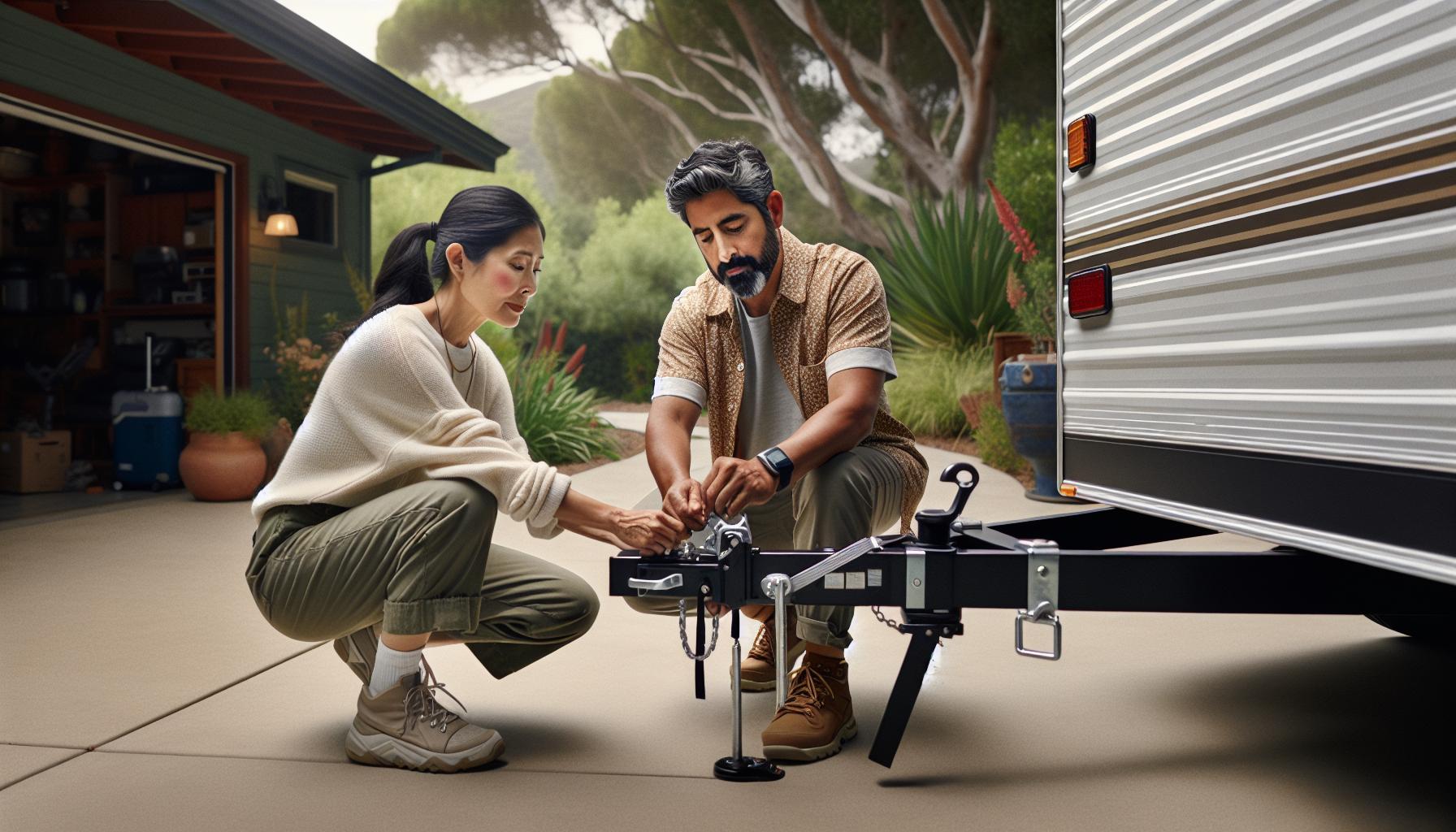
Understanding the Basics of Travel Trailers
Understanding travel trailers opens up a world of freedom and adventure, making it a popular choice for those seeking an alternative lifestyle or weekend getaways. These versatile living spaces allow you to bring the comforts of home wherever you go, offering flexibility and convenience. At their core, travel trailers are designed for mobility, typically equipped with sleeping areas, kitchen facilities, and bathrooms, catering to both short trips and extended living.
Travel trailers come in various sizes and styles, from lightweight models suitable for smaller vehicles to larger, more luxurious options that offer ample space and amenities. Choosing the right travel trailer requires considering factors like weight, length, and features that suit your travel plans and lifestyle. For instance, families may opt for larger trailers with bunk beds, while solo travelers might prefer compact models that are easy to tow and maneuver. Understanding the technical aspects, such as hitch types and weight capacities, is crucial to ensuring safe and enjoyable travels.
Commonly, first-time users may have questions regarding setup and maintenance. Choosing a suitable location is essential for safe setup; ensure you’re on level ground to prevent issues with tipping or discomfort during use. Familiarizing yourself with the layout and mechanics of your trailer contributes significantly to a successful experience, as does regular maintenance checks to keep systems like plumbing and electrical wiring in good condition. Equipment like leveling blocks and stabilizers plays a vital role in enhancing comfort and safety. Ultimately, thorough knowledge of your travel trailer’s features can lead to a more enjoyable and worry-free adventure, embracing the open road with confidence.
Essential Tools Needed for Setup
Setting up a travel trailer at home can feel like a daunting task, but with the right tools in hand, you can simplify the process and ensure a comfortable and safe experience. One of the first steps is to collect a few essential items that will help ease the setup and ensure everything functions properly.
Start with a proper hitching system. Make sure you have a compatible hitch that fits your vehicle and trailer. This often includes a ball mount, locking pin, and specific size hitch ball. Next, consider investing in leveling blocks or wheel chocks. These tools help level your trailer on uneven ground and prevent it from moving while you’re inside. Having a socket wrench and a set of ratchet straps will also be useful for securing various components and ensuring connections are tight.
In addition to these tools, don’t forget to equip yourself with an electricity management system (EMS) or a surge protector. This protects your trailer’s electrical systems from power surges and short circuits. For connection purposes, a water pressure regulator and a city water connection hose are crucial for safe water hookups. Lastly, having a sewage hose with connectors will aid in proper waste disposal and should be part of your essential toolkit.
Equipping yourself with these tools not only makes the setup process smoother but also contributes significantly to the overall safety and enjoyment of your travel trailer experience. With everything organized, you’re one step closer to creating your mobile home base and embracing all the adventures it brings.
Step-by-Step Process to Connect Your Trailer
Setting up a travel trailer at home requires a careful and methodical approach to ensure safety and functionality. It’s not merely about hitching the trailer to your vehicle; it’s about creating a reliable, comfortable living space right in your backyard. Begin by positioning the trailer on a level surface to facilitate the setup. If the ground isn’t perfectly flat, utilize leveling blocks beneath the wheels to achieve stability.
Once the trailer is in place, the next step is to connect the trailer to your vehicle. Align the trailer hitch with your vehicle’s towing receiver and lower it into position. Insert the hitch pin to secure it, and don’t forget to attach the safety chains, crossing them under the hitch to provide an added layer of security. Make sure any electrical connections for trailer lights are firmly attached, as this is crucial for safe travel.
Following the hitching process, it’s time to connect the essential utilities. Start with the electrical hookup: plug in the trailer’s electrical cord to the vehicle’s outlet, ensuring that the connection is secure. Next, take care of the water supply. Use a city water connection hose and attach it to the trailer’s fresh water inlet; consider adding a water pressure regulator to protect your plumbing system. For sewer waste, securely attach a sewage hose to the dump valve and position the other end into a sanitary drain. This ensures that waste is disposed of properly and safely, reducing the risk of contamination.
Lastly, inspect all connections to confirm they are tight and secure. Turn on the utilities to check for leaks or any issues with the electrical system. With everything connected and functioning, your travel trailer is now ready for occupancy or a short stay. Embrace the freedom of mobile living and enjoy the adventure right at home!
Powering Your Travel Trailer: Electrical Connections
Connecting your travel trailer’s electrical system is a critical element in ensuring a seamless experience wherever you choose to set up camp. Electricity powers everything from your lights and appliances to HVAC systems, making it essential to understand how to establish these connections safely. Knowledge about the types of electrical hookups is invaluable for new and experienced RV owners alike, as improper connections can lead to malfunctions or hazardous situations.
When powering your travel trailer, start by identifying the type of electrical connection you’ll be using. Most travel trailers operate on a 30-amp system, which is suited for medium to large trailers, or a 50-amp system for larger units equipped with multiple air conditioning units. If you’re setting up at home, you may consider running an adapter to connect your trailer to a standard household outlet, but this is only recommended for limited use and should never be used for high-demand appliances.
To establish your electric connection, follow these steps:
Establishing the Electrical Connection
- Locate the Power Inlet: Find the power inlet on your travel trailer, often designed to accept a specific type of connection depending on your system (30-amp or 50-amp).
- Use the Correct Cord: Select an appropriate RV power cord that matches the outlet at your setup location. For home setups, adapters may be necessary but always check for amperage compatibility to avoid overloading circuits.
- Connect Securely: Insert the power plug into the inlet securely. Make sure it’s tightly fitted to prevent disconnections that could result in power loss. Also, ensure that any locking mechanism is engaged so the plug does not come loose during use.
- Check Circuit Breaker: Before turning on the power, check your home’s circuit breaker panel to ensure you don’t overload your electricity. If using an adapter, turn off any unnecessary appliances in your home that could draw too much current.
- Power On and Test: Once securely connected, turn on the power at your breaker box and check the systems within your trailer. Run lights and appliances to ensure everything is functioning correctly. Be alert for any flickering lights or unusual smells, which may indicate problems that need to be addressed.
Always keep electrical safety in mind when connecting to power, especially in varying weather conditions. If using a generator, consult its manual for proper connections and load management to protect both your equipment and your trailer.
By understanding and carefully establishing your travel trailer’s electrical connections, you set the stage for a comfortable and enjoyable stay at any location. Knowledge and attention to detail can enhance your experience in mobile living, making it an accessible option for anyone looking to shift their lifestyle.
Water Hookup: Connecting to Freshwater Supply
Connecting your travel trailer to a fresh water supply is essential for ensuring a comfortable living experience on the road or at home. Having clean water available not only supports daily activities like cooking and bathing but also helps maintain hygiene in your mobile living space. With the right tools and knowledge, hooking up your trailer to freshwater can be a straightforward process.
Begin by gathering the necessary equipment for the hookup, which typically includes a freshwater hose, a water pressure regulator, and potentially a filter for added protection. The freshwater hose should be specifically designed for drinking water to ensure safety and health. Many RVers opt for hoses labeled “lead-free” to minimize any risk of contaminants. It’s advisable to have a 25-foot to 50-foot hose, ensuring you have enough length for varying setups.
To connect your trailer to the freshwater supply, follow these steps:
Steps to Connect Freshwater Supply
- Locate the Freshwater Inlet: Most trailers have a dedicated inlet for fresh water, often labeled clearly on the exterior.
- Attach the Water Pressure Regulator: This device helps prevent excessive water pressure from damaging your trailer’s plumbing system. Connect it directly to the water spigot before attaching the hose.
- Connect the Freshwater Hose: After securing the regulator, attach your hose to the regulator and ensure a tight fit to prevent leaks.
- Turn on the Water Supply: Slowly turn on the faucet to let water flow into your trailer. Keep an eye on the connections for any leaks as the system pressurizes.
- Check for Leaks: Once the water is flowing, inspect the hose and connections. If you notice any leaks, turn off the water supply and tighten the connections.
By following these steps, you can easily connect your travel trailer to a freshwater supply, allowing you to enjoy the comforts of home no matter where you park. Remember, maintaining clean water for consumption and daily use is a key aspect of ensuring a healthy living environment in your travel trailer.
Sewage Disposal: Safe Practices for Dumping
Managing sewage disposal is a crucial aspect of RV and travel trailer living that ensures not only convenience but also hygiene and environmental responsibility. One of the key elements that can make or break your experience on the road is knowing how to safely and effectively dump your sewage tanks, avoiding unpleasant issues like clogs, leaks, or unsanitary conditions.
Before you start, it’s essential to gather the right tools for the job. A durable sewer hose, a clear elbow attachment, gloves, and, if your trailer doesn’t have one, a dump station adapter are fundamental components. Always ensure your sewer hose is in good condition, as any cracks or leaks could lead to messy and hazardous situations. If you can, opt for a longer sewer hose-15 to 20 feet is a common recommendation-to ensure you have enough reach at most dump stations.
When you’re ready to dump, follow these steps for safe disposal:
Step-by-Step Sewage Disposal
- Locate the Dump Station: Depending on your location, you may find dump stations at RV parks, gas stations, or designated sites. Check online or with local directories to find one nearby.
- Prepare Your RV: Before heading to the station, close all your internal valves to prevent accidental leaks during transport. Make sure to wear gloves for hygiene.
- Connect the Sewer Hose: At the dump station, securely attach your sewer hose to the trailer’s dump valve. A clear elbow attachment can help you see when the tank is empty.
- Dump the Black Water Tank First: Open the black water tank valve to allow waste to flow out. This is essential since it helps flush out any residual waste from the hose.
- Dump the Grey Water Tank Next: After the black water tank is empty, open the grey water tank valve. This water helps rinse out the sewer hose, reducing residue and odors.
- Clean Up: Once both tanks are emptied, thoroughly clean your hose with water at the dump station, using a hose bib if available. Recap the sewer hose or place it in a designated storage compartment after ensuring it’s completely dry.
- Dispose of Materials Safely: Never throw wipes, feminine hygiene products, or other non-biodegradable items into the toilet. Think of the environment and the next user!
Always check your trailer’s manual for specific instructions related to your model, as systems can vary. By following these practices, you’ll maintain not only your travel trailer’s plumbing system but also the dignity of your camping experience and the cleanliness of the spaces you inhabit. Embracing responsible sewage disposal techniques will allow you to enjoy your travels with confidence and peace of mind.
Stabilizing Your Trailer for a Secure Setup
When setting up your travel trailer, one of the most crucial steps is ensuring it is securely stabilized. A stable trailer not only enhances your comfort but also helps prevent damage to the trailer itself, reduces wear and tear on components, and keeps you safe during your stay. Failing to stabilize your trailer can lead to tipping, rocking, or damage to connections, which can seriously impact your experience enjoying your home away from home.
To achieve a solid foundation for your trailer, start by parking it on a level surface. Many campsites and RV parks provide designated pads, but if you’re setting up at home or off-grid, use a level tool to assess the ground. Once in position, engage the trailer’s leveling jacks, which are integral for stabilizing the unit. Crank them down until they make solid contact with the ground, distributing weight evenly. For extra stability, consider using wheel chocks behind the wheels and setting rubber mats or pads underneath the jacks to prevent sinking.
Key Steps to Stabilize Your Trailer
- Find Level Ground: Look for a flat area to park your trailer, as uneven surfaces can lead to instability.
- Deploy Leveling Jacks: Lower your jacks until they are firmly in contact with the ground. Adjust them as needed to achieve a level trailer.
- Use Wheel Chocks: Place chocks behind the wheels to prevent rolling, especially on sloped terrain.
- Consider Stabilizer Bars: Depending on your trailer model, stabilizer bars can add an extra layer of support, reducing sway and bounce.
With these measures in place, you’re well on your way to a secure and comfortable living experience in your travel trailer. The peace of mind that comes from knowing your trailer won’t rock or shift can greatly enhance your comfort while also protecting your trailer’s structures and systems from unnecessary stress. A solid setup is the foundation of great adventures ahead!
Key Safety Tips for Home Trailer Hookups
When setting up your travel trailer at home, safety should be your top priority. A secure hookup not only protects your investment but also ensures your comfort and peace of mind during your stay. It is essential to be familiar with the basic safety measures that can prevent accidents and mishaps, enabling you to fully enjoy the convenience of mobile living.
Firstly, always inspect your trailer and the area around it before connecting to utilities. Look for hazards such as low-hanging branches, uneven ground, and debris that could obstruct your setup. When connecting the electrical system, ensure that the power source is properly grounded and rated for your trailer’s needs. Using a high-quality surge protector can also safeguard your trailer’s electrical components from power spikes.
For water hookups, always use a fresh water hose specifically designed for drinking water to prevent contamination. It’s advisable to use a pressure regulator to maintain safe water pressure and avoid damage to your trailer’s plumbing. Additionally, regularly check for leaks at connections and repair them promptly to avoid water damage inside your trailer.
Hitching your trailer securely is crucial. Ensure that the hitch is locked and that safety chains are properly attached. These chains should cross under the trailer hitch to provide an additional layer of security. Likewise, when placing leveling blocks, ensure they are even and sturdy to prevent rolling or shifting.
In summary, preparation and vigilance are the keys to a safe trailer hookup. Take the time to assess your setup area and utility connections, follow recommended safety practices for your trailer, and regularly inspect your installations. By incorporating these safety tips, you can create a secure environment that enhances your overall travel trailer experience, making your home on wheels feel just as safe and comfortable as a traditional home.
Common Mistakes to Avoid When Setting Up
Setting up a travel trailer can be an exhilarating experience, but it’s also one where common mistakes can lead to frustrating and costly problems. Interestingly, many new trailer owners overlook a few critical steps that can make or break their setup. Understanding these pitfalls not only improves your efficiency during setup but also ensures a safer and more enjoyable living experience.
One prevalent mistake is failing to properly level the trailer before hooking it up to utilities. If the trailer isn’t level, it can lead to issues such as improper drainage in the plumbing and difficulty in opening or closing doors. Always use leveling blocks and invest in a reliable level to ensure your trailer sits flat on the ground. Additionally, don’t forget to release the parking brake on your tow vehicle; forgetting this simple step can lead to the trailer rolling unexpectedly during setup.
Another common oversight is neglecting to check the connections on your electrical system before plugging in. Many first-time users assume that their setup is secure without verifying that the power source is appropriate for the trailer’s requirements. This can lead to blown fuses, damaged appliances, or even electrical fires. It’s essential to use a surge protector and double-check that all connections are tight, especially the ground connection.
When it comes to water hookups, using the wrong kind of hose is a frequent error. Many assume any garden hose will suffice, but a hose not designated for drinking water may leach chemicals that can contaminate your water supply. Always use hoses labeled as drinking water safe. Furthermore, failing to install a pressure regulator can result in water pressure that is too high, compromising your plumbing and leading to leaks. Regular inspections for leaks after hookup can save you from water damage down the line.
By avoiding these common mistakes, you pave the way for a smoother and safer travel trailer experience. Thoughtful preparation and attention to detail not only enhance your comfort but also ensure your time on the road-or parked at home-is enjoyable and stress-free.
Upgrading and Customizing Your Home Setup
Creating a comfortable and functional environment in your travel trailer can significantly enhance your lifestyle, whether you’re using it for weekend getaways or making it your permanent home. Many owners find joy in upgrading and customizing their trailers to better suit their needs and preferences. This not only improves their living experience but can also add value to their trailer. From practical interior modifications to essential utility upgrades, the journey of customization can be both exciting and rewarding.
One effective way to personalize your space is by focusing on storage solutions. Travel trailers often come with limited storage options, which can feel cramped over time. Consider adding shelving units or modular storage bins that can be secured during travel. Hang organizers on the backs of cabinet doors for easy access to frequently used items. Integrating multi-functional furniture, like benches with hidden storage or fold-out tables, can also enhance both space and functionality.
In addition to storage enhancements, don’t overlook the aesthetics of your trailer. Simple changes, like repainting cabinetry or updating fabric choices for curtains and cushions, can completely transform the ambiance. Opt for lighter colors to create an airy feel, or add pops of color through decorative accents, such as throw pillows or area rugs. Having a space that feels inviting and homey can make all the difference, especially if you spend extended periods in your travel trailer.
Utility Upgrades
When it comes to living long-term in a travel trailer, upgrading utilities is crucial. Start with the electrical system: consider installing solar panels to achieve energy independence. This can reduce reliance on campground hookups and allow you to enjoy remote locations without worrying about power shortages. Additionally, upgrading to LED lighting not only enhances illumination but also conserves battery life.
Water systems also benefit from thoughtful upgrades. Installing a water filtration system ensures that you have access to clean drinking water, which is particularly important when staying in remote areas. Furthermore, consider adding a greywater tank if your trailer doesn’t already have one, as this allows for a more sustainable approach to wastewater management.
By approaching upgrades and customization thoughtfully, you can create a travel trailer that aligns with your lifestyle and needs. Whether through practical storage solutions, aesthetic changes, or functional utility upgrades, you have the opportunity to make your travel trailer a true home on wheels. Embrace the existing charm of your trailer while also infusing your personal style-this balance is key to creating a welcoming and comfortable living space.
Maintenance Tips for Long-Term Trailer Living
Maintaining your travel trailer is essential for ensuring comfort, safety, and longevity, particularly when living in it long-term. Regular checks and upkeep can help prevent major repairs down the road and enhance your overall living experience. Here are several practical maintenance tips that every travel trailer owner should consider.
One of the most critical aspects of trailer maintenance involves inspecting the exterior. Regularly check the roof, seams, and around windows for signs of wear or leaks. Apply sealants as needed to prevent water damage, a common issue in trailers that can lead to mold and structural corrosion. It’s also wise to wash your trailer to remove dirt and grime, which can cause damage over time if left untreated. Utilizing a UV protectant on the exterior will help shield your trailer from sun damage and fading.
Interior Care
Your trailer’s interior deserves just as much attention. Ensure the appliances are in excellent working condition by periodically testing their functionality. For example, inspect the refrigerator seals and the stove for any blockages. Vacuuming and cleaning carpets or floor coverings help keep the living space fresh and free from allergens. Make it a point to check for pests, as trailers can be susceptible to infestations, especially when stored for long periods. Sealing any gaps and regularly checking interior areas like cabinets and under sinks can help mitigate this risk.
Electrical and Water Systems
Regular maintenance of your electrical system is vital for safety. Check wiring for signs of corrosion or wear, and ensure that all connections are tight. If your trailer has a battery, perform regular maintenance checks such as testing the water levels and ensuring proper charging. For water systems, flush the freshwater tank periodically and check hoses and connections for leaks. Adding a filtration system can improve water quality and prolong the lifespan of your plumbing components.
Routine Maintenance Schedule
Establishing a routine maintenance schedule is crucial for long-term trailer living. Create a checklist that includes tasks such as checking the tires for pressure and wear, changing oil in the generator, testing fire alarms and smoke detectors, and cleaning the propane system. This structure not only keeps your trailer in peak condition but also helps identify potential issues before they become significant problems.
By staying organized and proactive about maintaining your travel trailer, you’ll not only increase your vehicle’s lifespan but also enhance your overall experience. A well-maintained trailer can provide countless enjoyable adventures and a cozy home on wheels for years to come.
Resources and Support for Travel Trailer Owners
When diving into the world of travel trailers, it’s essential to know that a wealth of resources and support is available to help you navigate everything from initial setup to long-term maintenance. Whether you’re a novice or a seasoned road warrior, communities, online platforms, and local resources can offer invaluable assistance. Engaging with these resources can significantly enhance your travel trailer experience, providing you with the knowledge and confidence needed for successful ownership.
One of the primary resources for travel trailer owners is online forums and social media groups dedicated to RV living. Platforms such as Facebook and Reddit host vibrant communities where you can ask questions, share experiences, and exchange tips with fellow trailer enthusiasts. These groups often feature discussions on technical issues, travel destinations, and upgrades, allowing you to benefit from collective knowledge and real-world experiences. For example, many users share troubleshooting steps for common electrical or plumbing problems, enabling quick fixes without costly trips to the mechanic.
In addition to online communities, consider exploring local RV dealerships and service centers. They often offer workshops and classes on trailer maintenance, safe towing practices, and even cooking in a limited space. Many established RV clubs and organizations also provide access to resources such as insurance guidance, camping guides, and travel planning tips. Joining these organizations can open doors to exclusive deals, discounts on campgrounds, and opportunities to connect with other owners who can share their insights and adventures.
Lastly, don’t overlook the wealth of literature available on travel trailer living. Books, guidebooks, and DIY maintenance manuals provide detailed instructions on everything from electrical setup and plumbing care to enhancing the interior’s comfort. Online platforms like YouTube also feature countless tutorials that can visually guide you through maintenance tasks, installations, and repairs, making daunting projects more approachable.
By leveraging these resources, you’ll not only gain confidence in managing your travel trailer but also enhance your overall experience on the road. Whether it’s through online support, local classes, or literature, the key is to stay connected, continually learn, and share your journey with others.
Final Thoughts
Congratulations on taking the first steps to hook up your travel trailer at home! You’ve learned essential techniques and tips that make the setup process not only manageable but also enjoyable. To help you even further, check out our detailed guides on maintaining your trailer and exploring financing options, which can save you time and resources in the long run.
Now that you’re equipped with this knowledge, it’s time to put it into action! Remember, if you have any lingering questions or concerns, our community is here to support you. Share your experiences in the comments or connect with us on social media for live discussions. Don’t forget to subscribe to our newsletter for more insights on trailer living and maintenance tips, ensuring you never miss an essential update. Your journey into the world of travel trailers is just beginning-let’s keep exploring together!