Did you know that trailer homes, often misunderstood as mere temporary residences, represent a viable and increasingly popular housing option for many? A trailer home, or mobile home, offers flexibility and affordability, making it an appealing choice for individuals and families seeking a unique lifestyle. Understanding what defines a trailer home is crucial, as it impacts everything from purchasing decisions to zoning regulations. As you explore this topic, you’ll uncover essential insights about trailer home living, including maintenance tips, financing options, and the benefits of this alternative housing solution. Join us as we delve deeper into what a trailer home truly is and how it can fit into your life.
What Are Trailer Homes: Understanding the Basics
Trailer homes, often known as mobile homes or manufactured homes, are a fascinating and affordable housing option that have evolved significantly over the years. Unlike traditional houses, these homes are built in a factory and then transported to their final location, which allows for greater flexibility in terms of placement and design. A key aspect of trailer homes is their ability to provide a cost-effective living solution without sacrificing comfort or functionality.
The modern-day trailer home comes in various shapes and sizes, often featuring contemporary designs and amenities that rival traditional homes. They typically include efficient floor plans, high-quality finishes, and the possibility of customization, allowing homeowners to personalize their space to fit their lifestyle. Many trailer homes are constructed to strict safety and durability standards, making them suitable for a range of environments-from urban settings to serene countryside locations.
In recent years, the perception of trailer living has undergone a transformation. More individuals and families are embracing this lifestyle because it offers reduced living costs, lower maintenance responsibilities, and the potential for community living in manufactured home parks. Whether you’re considering your first home or seeking a manageable downsizing option, understanding the basics of trailer homes can help you navigate the diverse choices available and enjoy the many benefits they offer.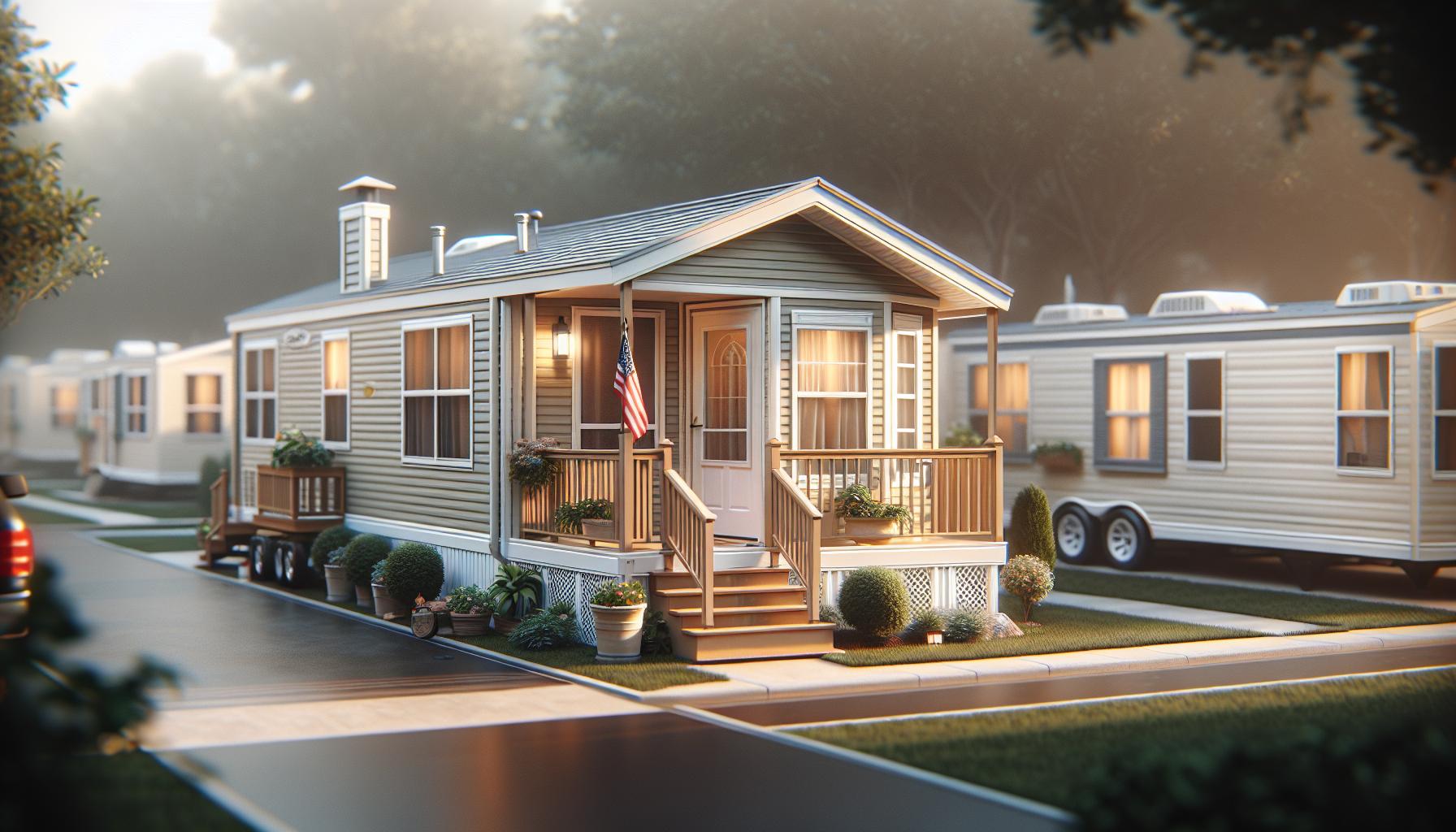
Types of Trailer Homes: A Comprehensive Overview
When exploring the diverse landscape of trailer homes, it’s essential to recognize the various types available, each offering unique features and characteristics. The evolution of trailer homes has led to a range of options suited to different lifestyles, preferences, and budgets. Understanding these types can help prospective homeowners make informed decisions about their housing choices.
Manufactured Homes
Manufactured homes are built in a factory to the standards set by the U.S. Department of Housing and Urban Development (HUD). These homes are delivered in sections to their intended site and can be permanently affixed to a foundation or left as movable units. With contemporary designs, these homes often feature modern amenities, spacious layouts, and can be customized to meet individual needs. They come in various sizes, from single-section (or single-wide) units to larger multi-section models that offer significantly more living space.
Modular Homes
While also factory-built, modular homes are constructed to comply with local building codes, making them more similar to traditional homes than manufactured homes. These homes come in sections, which are then transported and assembled on-site. This construction method allows for greater design flexibility, and homeowners can choose from various architectural styles, materials, and layouts. As a result, modular homes can offer the appearance and feel of conventional houses, providing a sturdy and permanent living option.
Park Model RVs
Park model RVs are specialized trailer homes designed primarily for seasonal use or temporary living situations. They are typically smaller than manufactured and modular homes and are often found in recreational vehicle parks or campgrounds. These homes are built on a trailer chassis and can be moved, though they are generally intended to stay in one location. Park model RVs incorporate many of the comforts of home while maintaining a compact footprint, making them ideal for vacationers or individuals looking to downsize.
Mobile Homes
Mobile homes refer primarily to older models built before the HUD code established in 1976. While these homes may have slightly different construction standards, many continue to provide affordable housing options. Some mobile homes may be utilized as permanent residences, offering low-cost living solutions in various communities. However, buyers should be aware of any potential challenges regarding financing and insurance with older mobile homes.
Each type of trailer home comes with its unique advantages and drawbacks, so it is crucial for potential buyers to consider factors like lifestyle preferences, budget constraints, and long-term plans when making their choice. By grasping the distinctions among manufactured homes, modular homes, park model RVs, and mobile homes, individuals can navigate their housing options with confidence, ensuring they select a suitable home that meets their needs.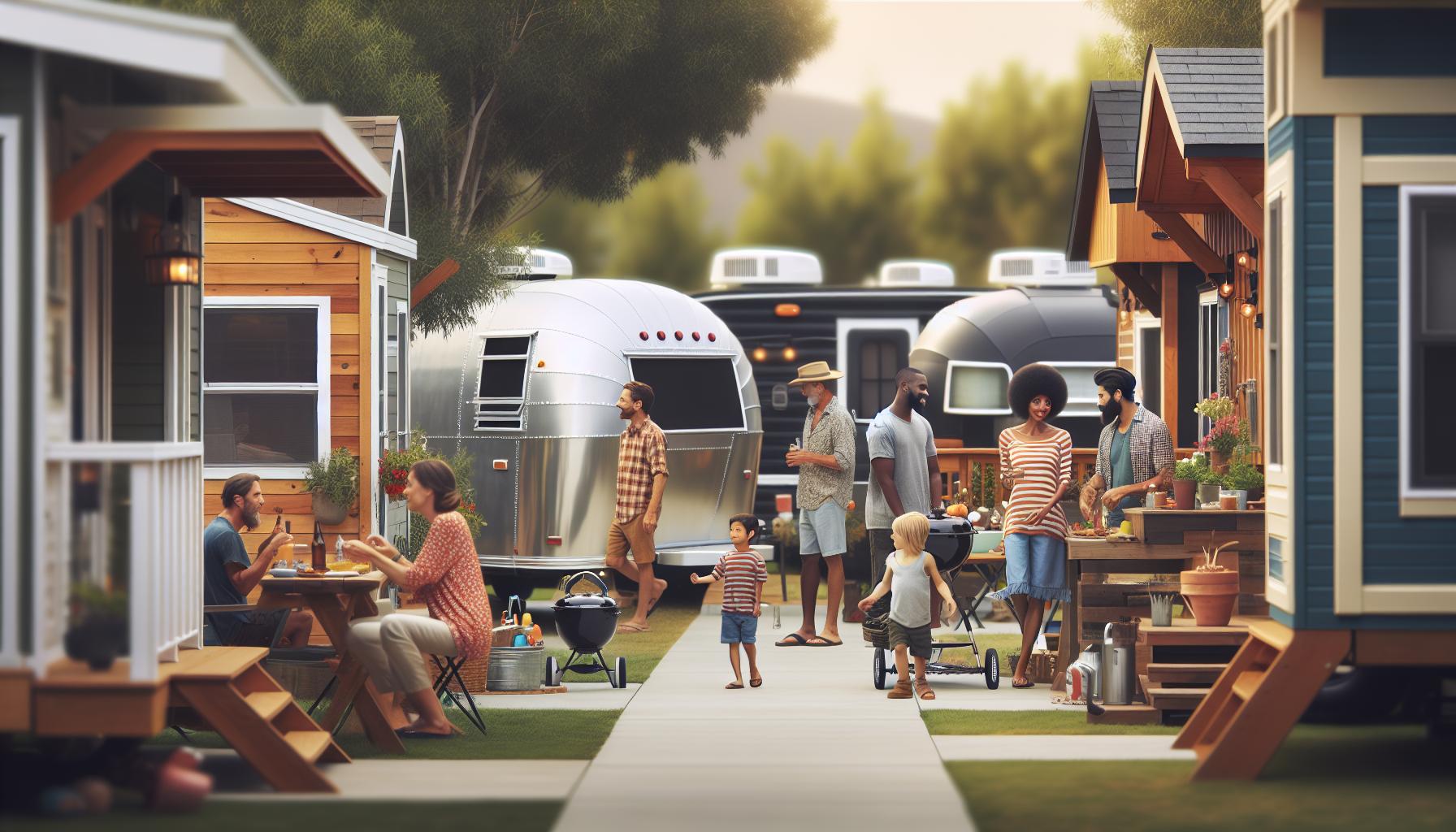
Key Features of Modern Trailer Homes
Modern trailer homes have evolved significantly from their earlier counterparts, showcasing a blend of practicality, comfort, and style. These homes are designed to meet the evolving needs of today’s homeowners while ensuring that affordability remains a central focus. One of the most striking features of modern trailer homes is their customization options; buyers can choose from a variety of floor plans, layouts, and finishes to create a space that reflects their personal tastes and lifestyle needs.
Another notable characteristic is the inclusion of advanced building materials and technologies that enhance energy efficiency. Many modern trailer homes come equipped with features such as energy-efficient windows, high-quality insulation, and eco-friendly appliances. These components not only reduce utility costs but also contribute to a smaller carbon footprint, making them an attractive option for environmentally conscious buyers.
Popular Features of Modern Trailer Homes
- Open Floor Plans: Many trailer homes now utilize open-concept designs that maximize space and promote a sense of community among family members.
- Smart Home Technology: Integration of smart devices allows homeowners to control lighting, temperature, and security systems remotely, enhancing convenience and safety.
- High-Quality Finishes: From hardwood flooring to modern cabinetry, the emphasis on aesthetics gives trailer homes a more polished and inviting appearance.
- Outdoor Living Spaces: Many designs include porches or patios, allowing residents to enjoy their surroundings and connect with nature.
Modern trailer homes also prioritize durability and maintenance ease. With advancements in construction techniques, these homes are built to withstand various weather conditions while requiring minimal upkeep. This makes them an appealing option for those looking to invest in a low-maintenance living environment. Additionally, they come in sizes that cater not just to individuals or couples but also to families, proving that trailer home living can be both practical and spacious.
Understanding the allows prospective buyers to appreciate their potential as viable housing options. Whether you are seeking an affordable first home or a cozy retirement retreat, modern trailer homes continue to redefine what it means to live comfortably in a mobile space.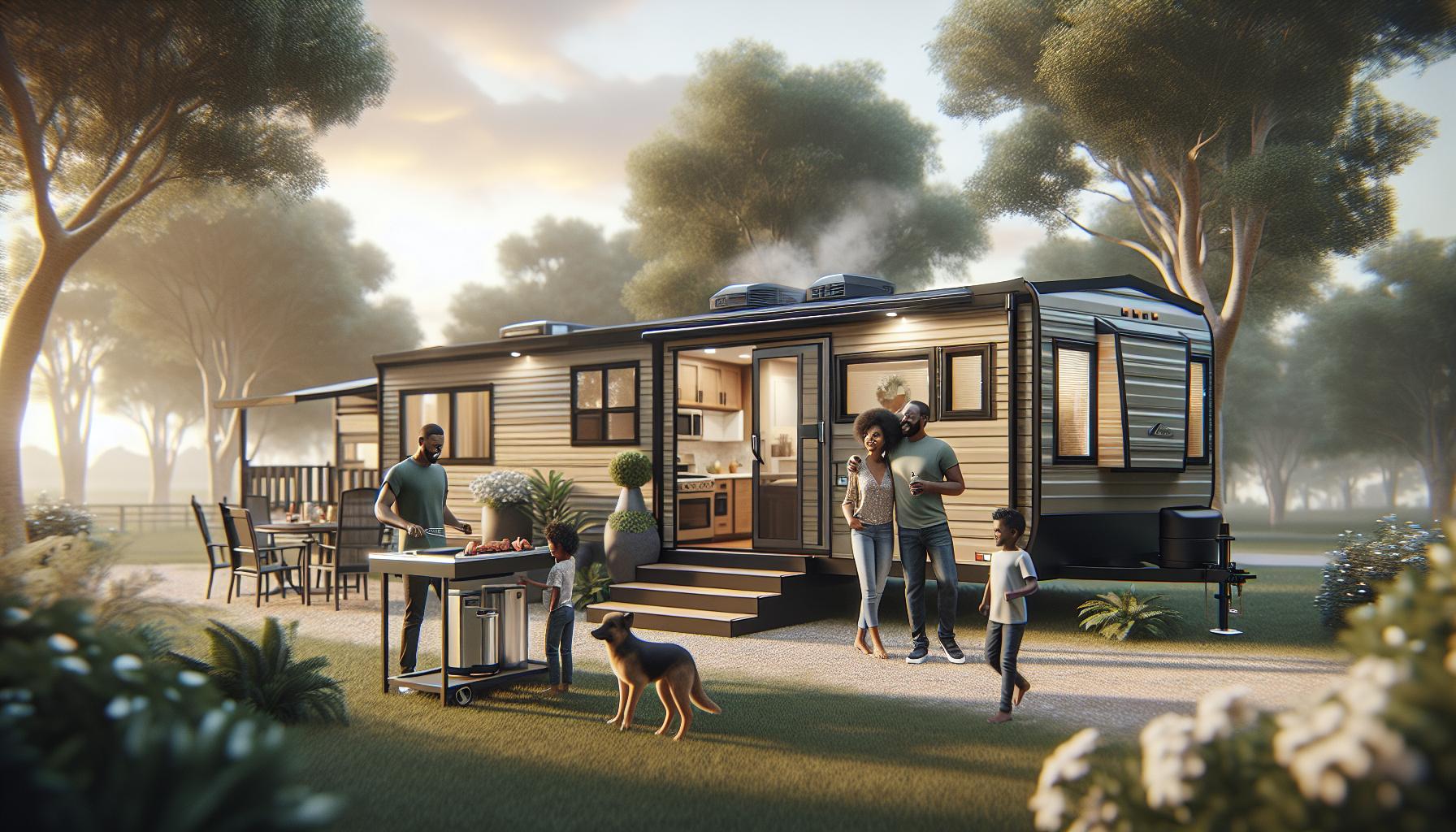
Benefits of Living in a Trailer Home
Living in a trailer home offers a unique blend of flexibility, affordability, and community that can make it an appealing choice for various lifestyles. One of the most significant benefits is the cost-effectiveness of trailer homes. Compared to traditional housing, these homes often come at a fraction of the price, allowing families or individuals to minimize their financial burden. This affordability extends beyond just the purchase price; typically, trailer homes are situated in less expensive areas and often have lower property taxes and insurance costs.
Another major advantage is the lifestyle flexibility that comes with mobile living. Whether it’s moving to a different location for work, seeking a change in scenery, or traveling during retirement, trailer homes provide homeowners with the mobility to adapt. Many trailer parks foster a vibrant sense of community, where residents bond over shared experiences. This can be a welcome change for those who appreciate connection and camaraderie with neighbors.
Modern trailer homes have incorporated various design advancements that enhance not only aesthetics but also energy efficiency. With options for open floor plans and the inclusion of smart home technology, these homes can cater to contemporary living needs while supporting sustainable practices. For instance, energy-efficient windows and high-quality insulation can significantly reduce utility bills, adding another layer of financial advantage.
Lastly, trailer living can encourage a simpler lifestyle, which many find liberating. The smaller footprint often compels inhabitants to declutter and prioritize what truly matters in their lives. This not only promotes a minimalist mindset but can also result in more time spent enjoying surroundings and experiences rather than maintaining vast spaces. Overall, embracing trailer home living can be a rewarding and enriching choice for those looking for an alternative housing solution.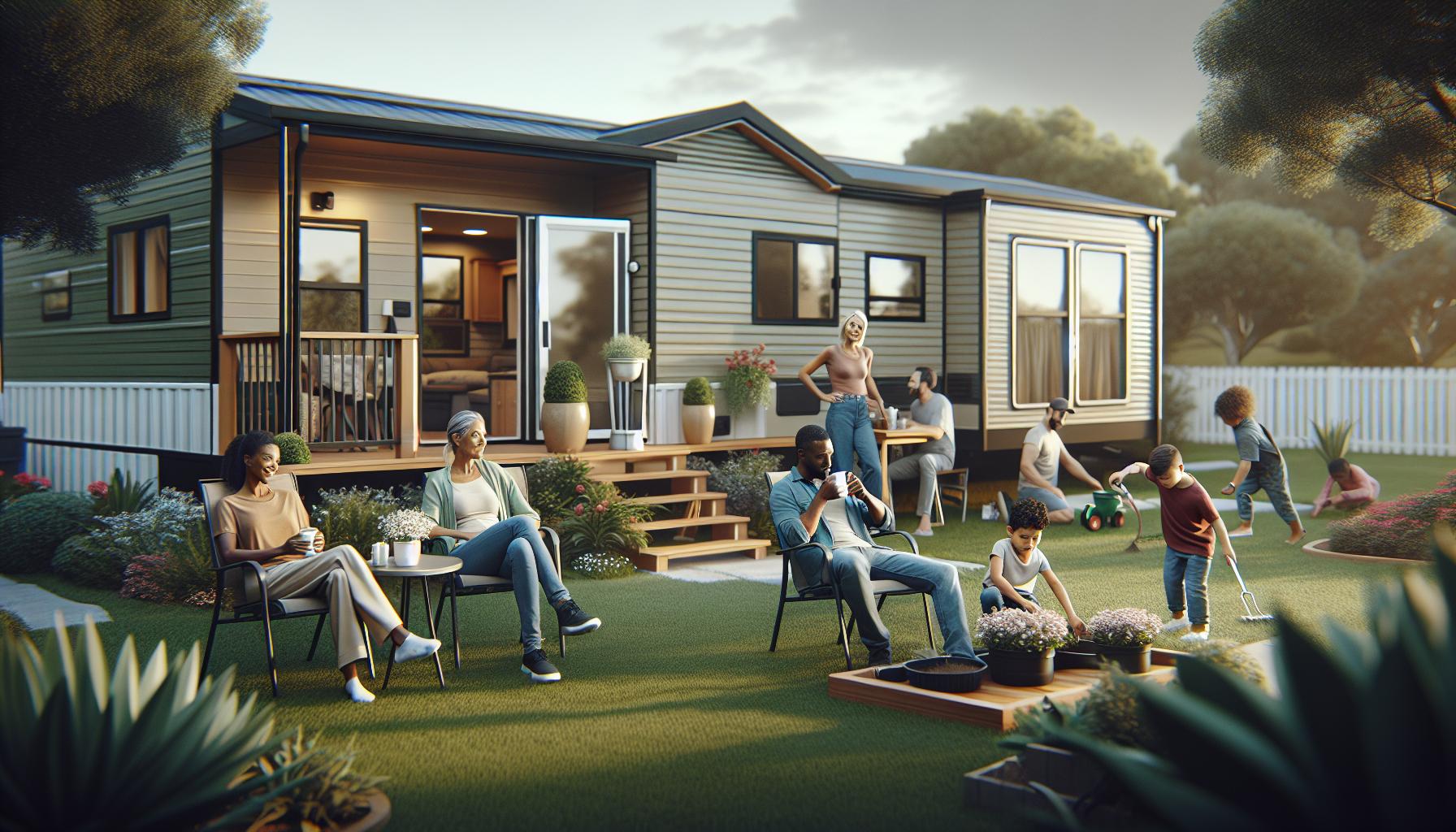
What to Consider Before Buying a Trailer Home
When considering a trailer home, prospective buyers should start with an understanding of their lifestyle needs and the features that will enhance their living experience. The appeal of trailer homes lies not only in their affordability but also in their adaptability to various lifestyles. However, this flexibility comes with a range of considerations to ensure that the investment aligns with your long-term goals.
One crucial factor is the location of the trailer home. Are you aiming for a permanent site or do you anticipate relocating frequently? If you choose a mobile home, consider the availability of communities or parks that meet your preferences, from urban settings to serene countryside. Additionally, research local regulations and zoning laws as they can significantly impact where you can place your trailer home, affecting your living conditions and potential resale value.
Another important aspect is your budget. While trailer homes can be less expensive than traditional houses, not all models come with the same price tag. It’s wise to factor in additional costs such as lot rent, utilities, and maintenance. Establish a detailed budget that includes not just the purchase price but also these recurring expenses. Furthermore, financing options vary; some lenders specialize in mobile homes, so explore these avenues to secure a manageable loan.
Lastly, inspect the trailer home thoroughly before purchase. Look for signs of wear and tear, check the plumbing and electrical systems, and assess the structural integrity. This due diligence can reveal potential repair costs down the line and help you avoid unexpected expenses. A comprehensive inspection might save you from purchasing a home that may need significant renovations shortly after moving in.
By keeping these considerations in mind, you can make an informed and confident decision that aligns with your lifestyle and financial situation. The journey into trailer home ownership can lead to a fulfilling and flexible living experience, given the right preparation and knowledge.
Financing Options for Trailer Home Purchases
Financing a trailer home can be a crucial step in making your housing dreams a reality, especially since these homes can often be more affordable than traditional houses. Yet, navigating the financing landscape may seem daunting due to the variety of options available. Keeping a few key strategies in mind can empower you to make informed decisions that align with your budget and lifestyle.
When looking into financing, consider these common options:
- Traditional Mortgages: Some lenders provide conventional mortgages specifically for manufactured or mobile homes anchored to a permanent foundation. These loans often come with favorable interest rates and terms, similar to those for traditional homes.
- Chattel Loans: For mobile homes that are not fixed to a foundation, chattel loans are typically used. These loans cover the home as personal property rather than real estate, meaning they may have higher interest rates and shorter terms.
- FHA Loans: The Federal Housing Administration (FHA) offers loans for manufactured homes under specific conditions. These require a lower down payment, making them accessible for first-time buyers.
- Credit Unions and Local Banks: Local financial institutions may offer tailored financing options for trailer homes, and they could provide more personalized service and potentially better rates than larger institutions.
To enhance your chances of securing a favorable deal, it’s essential to maintain a good credit score and prepare a thorough financial profile. This includes showing proof of income, stable employment, and a solid debt-to-income ratio. Additionally, be sure to shop around and compare loan offers from multiple lenders. Sometimes, each financial institution has unique terms, and a little research can lead to significant savings.
Understanding the various financing options available can not only simplify the purchasing process but also help in planning for long-term financial health. By carefully considering your options, you can find a financing solution that allows you to embrace the lifestyle possibilities that come with trailer home ownership.
Legal Regulations for Trailer Home Ownership
Navigating the legal landscape of trailer home ownership is essential for ensuring a smooth and compliant living experience. Various laws and regulations can affect everything from zoning and land use to safety standards and tenant rights. Understanding these regulations not only helps protect your investment but also enhances your enjoyment of trailer home living.
One of the first legal considerations involves zoning regulations, which dictate where trailer homes can be located. Many municipalities have specific areas designated for mobile or manufactured homes, so it’s crucial to check local zoning laws before purchasing land or a home. Additionally, if you plan to set up in a mobile home park, ensure that the community adheres to local zoning ordinances and that you understand the park’s rules.
Title Laws and Registration are another aspect of trailer home ownership. Like vehicles, trailer homes must be titled and registered with the state. This process often involves submitting documentation that proves ownership and may require an inspection for compliance with safety standards. Familiarize yourself with your state’s specific requirements to avoid potential fines or legal issues.
Furthermore, understanding tenant rights is vital, especially if your trailer home is located in a rented space within a mobile home community. Researching your rights as a tenant will ensure you are well-informed about lease agreements, rental stability, and protections against unjust eviction. Each state has laws governing landlord-tenant relationships, making it essential to know your local statutes.
Another important legal consideration is land use restrictions. These include permits and associated fees required for installing utilities, building additional structures, or making significant alterations to your trailer home. It’s wise to consult with local government offices or a real estate attorney to navigate these complexities effectively and ensure compliance, thereby prioritizing both community standards and personal safety.
In summary, being informed about legal regulations concerning trailer home ownership empowers you to make educated decisions and enhances your residential comfort. By proactively addressing these legal aspects, you can protect your rights and enjoy a fulfilling life in your trailer home.
Essential Maintenance Tips for Trailer Homeowners
Maintaining a trailer home is crucial for ensuring a comfortable living environment and prolonging its lifespan. Regular upkeep can prevent costly repairs down the line, making it essential for homeowners to stay proactive. Implementing a maintenance routine not only preserves the integrity of your home but also enhances daily living. Here are some key tips to help you keep your trailer home in top shape.
Regular Inspections
Schedule routine inspections every few months to identify any wear and tear. Check for issues such as leaks, particularly around windows and roofs, and inspect the foundation and undercarriage for signs of rust or corrosion. Promptly address any detected problems. Consider keeping a maintenance checklist to track tasks performed and identify areas that may require attention sooner.
Plumbing and Electrical Systems
Pay attention to your plumbing and electrical systems. Regularly check for leaks in pipes and ensure the electrical system is functioning correctly. Clear any clogs in drains using appropriate methods, and avoid using harsh chemicals that could damage pipes. Periodically test smoke detectors and replace batteries as needed to ensure safety.
Exterior Care
Keeping the exterior of your trailer home clean is just as important as the interior. Wash the exterior regularly to remove dirt, grime, and potential mildew. Inspect the siding for damage, and consider re-sealing wood exterior surfaces annually to prevent rot. If your trailer has skirting, check for any gaps or damage to maintain insulation and aesthetics.
Seasonal Preparations
Prepare your trailer for seasonal changes by winterizing or summerizing it as necessary. In colder months, drain water lines and add antifreeze as needed, while in hot weather, ensure your air conditioning units are serviced and filters replaced.
By staying proactive with these maintenance tips, trailer homeowners can create a safe, welcoming space and avoid costly repairs in the future. Embrace the journey of home ownership, and remember that a little routine care goes a long way towards maintaining the comfort of your trailer home.
Simple Renovation Projects for Trailer Homes
When it comes to updating your trailer home, even small renovations can have a significant impact on both comfort and style. Many individuals believe that living in a trailer restricts their design options, but with a little creativity and effort, it’s possible to transform the space into a personalized haven. Simple renovation projects not only enhance aesthetic appeal but can also increase the functionality and overall enjoyment of your home.
One of the most effective ways to refresh your trailer home is through a coat of paint. The interior walls often come in neutral colors that may feel dull over time. A vibrant color or even a trendy wallpaper can breathe new life into your space. This task is relatively simple and can be accomplished in a weekend. Just remember to use paint that’s suitable for mobile homes, as it should be low in VOCs (volatile organic compounds) to keep the air quality safe.
Another impactful project is upgrading the flooring. Many trailer homes come with outdated linoleum or carpet that can trap dirt and odors. Consider replacing it with laminate or vinyl flooring that mimics hardwood. These materials are not only aesthetically pleasing but also durable and easy to clean. Make sure to properly measure your space and select materials that are suitable for high foot traffic areas.
Modern Touches
Incorporating modern touches can profoundly change the feel of your trailer. Adding open shelving in the kitchen can create an airy look and offer additional storage space. You could also replace old light fixtures with contemporary pendant lights or LED strip lights under cabinets to brighten the space efficiently. Not only are these upgrades visually appealing, but they also enhance the functionality of your home.
Additionally, don’t overlook the importance of outdoor spaces. Enhancing your trailer’s exterior with a deck or patio can significantly expand your living area. Simple projects like adding outdoor lighting or landscaping can create a welcoming atmosphere for relaxation or entertaining guests.
By approaching these renovation projects with a clear vision and manageable steps, you can transform your trailer home into a comfortable and stylish retreat that reflects your personality and lifestyle. Whether it’s a fresh coat of paint or adding modern amenities, each improvement contributes to making the space truly yours.
Safety Considerations for Trailer Home Living
Living in a trailer home offers a unique lifestyle that combines mobility with comfort, but it’s essential to prioritize safety to ensure a fulfilling experience. These homes can differ significantly from traditional houses, and being aware of potential risks allows you to mitigate them effectively. For instance, trailer homes may be more susceptible to weather-related hazards such as strong winds or flooding, depending on the area. Taking proactive measures not only protects your home but also contributes to a peaceful living environment.
Fire Safety
One of the critical aspects of safety in trailer homes is fire prevention. Make sure to equip your trailer with smoke detectors and carbon monoxide detectors, placing them in key areas like the kitchen and sleeping areas. Regularly test these devices and replace their batteries at least once a year. Additionally, keep a fire extinguisher accessible, ensuring it is rated for use in kitchen environments. Avoid overloading electrical circuits, and inspect your wiring regularly for signs of wear or damage.
Structural Integrity
Regularly check the structural integrity of your trailer. Look for signs of wear and tear, especially around the wheels, axles, and hitch connection. Ensuring that the trailer is securely hitched can prevent dislodging while in transit. When parked, consider stabilizing your trailer with jack stands to reduce wobbling and enhance safety for residents. Checking the roof for leaks, especially after heavy rain, can also prevent water damage and preserve the longevity of your home.
Secure Your Space
To enhance the security of your trailer home, invest in a solid locking system, including deadbolts on doors and external storage compartments. This not only protects your belongings but also provides peace of mind, especially if you travel frequently. Think about installing outdoor lighting to deter trespassers, as well as reinforcing windows with security films or bars for added protection. Engaging with your community can also promote safety; knowing your neighbors helps foster a supportive environment where everyone looks out for each other.
Emergency Preparedness
Have an emergency preparedness plan in place. Familiarize yourself with the best evacuation routes from your location and keep a kit prepared with essentials such as food, water, medical supplies, and important paperwork. Regularly review and update your plan to ensure it’s relevant and comprehensive. This proactive approach can make a significant difference during unforeseen events.
By incorporating these safety considerations, you can create a secure and enjoyable living space within your trailer home. Awareness and preparedness will allow you to embrace the freedom and advantages of this unique housing option confidently.
How to Personalize Your Trailer Home
Creating a personalized space in a trailer home allows you to infuse your personality and lifestyle into a compact and mobile environment. The beauty of trailer homes lies in their adaptability; they can be customized to reflect your unique tastes while maximizing functionality. Whether you’re starting with a blank canvas or looking to enhance existing features, there are several ways to create a welcoming and individualized atmosphere.
One of the simplest ways to personalize your trailer is through color and decor. Choose a color palette that resonates with you and transforms the space. Light or neutral tones can make small areas feel more expansive, while bold colors can add vibrancy. You can use removable wallpapers or wall decals for an easy-to-change option, allowing you to experiment without committing permanently. In addition to paint, consider incorporating personal artwork, photographs, or handmade crafts that tell your story.
Furniture selection also plays a significant role in personalizing your space. Opt for multi-functional furniture such as foldable tables, storage ottomans, or convertible sofas that maximize space while providing comfort and style. Invest in throw pillows and cozy blankets to create an inviting atmosphere. Layering textures and patterns can add depth and a cozy feel. Additionally, revamping basic furniture with a fresh coat of paint or new upholstery can completely change the look of your trailer.
Another great way to express your creativity is through landscaping and outdoor design. Depending on where your trailer is parked, you can enhance your outdoor space with potted plants, outdoor seating, and decorative lighting. Creating a small garden or incorporating outdoor decor like wind chimes or hammocks can extend your living space and provide a lovely retreat. This enhances not only your view but also the overall ambiance of your trailer home.
Finally, consider adding personal touches through functional decor. Organizational tools like decorative baskets for storage or stylish shelving can keep your space neat while reflecting your style. Incorporating plants not only makes your space more lively but also promotes well-being and air quality. Choose low-maintenance plants if you’re frequently on the move.
By blending aesthetics with practicality, you can transform your trailer into a personalized retreat that meets your needs while showcasing your individuality. Embrace the process of enhancing your living space, and remember that every small change can make a significant difference in creating the home you’ve always desired.
Understanding Insurance Needs for Trailer Homes
When investing in a trailer home, understanding your insurance needs is crucial for protecting your investment and ensuring peace of mind. Trailer homes, also known as mobile homes or manufactured homes, come with specific risks and considerations that differ from traditional property insurance. This makes it essential to approach insurance options tailored to the unique features of trailer homes.
Trailer home insurance typically covers various aspects, including dwelling coverage, personal property protection, and liability coverage. Dwelling coverage protects against damages to the structure caused by risks such as fire, theft, or weather events. Personal property coverage ensures that your belongings inside the trailer are also protected. In terms of liability coverage, this is important in case someone gets injured on your property, safeguarding you against potential legal claims.
Factors Influencing Insurance Costs
Several factors can affect your trailer home insurance premiums, including:
- Location: The risk of natural disasters like floods or hurricanes can impact costs.
- Age and Condition: Older homes or those needing repairs may incur higher rates.
- Coverage Amount: The more coverage you want, the higher your premiums will be.
- Security Features: Homes with security systems may qualify for discounts.
For many owners, it’s beneficial to shop around and compare quotes from different insurance providers. Understanding the specific coverage options and endorsements available can help you customize your policy for optimal protection. Furthermore, consider reviewing your policy annually to adjust coverage based on any improvements or changes to your trailer home.
Lastly, keeping good records, such as photographs of your belongings and details of any renovations or upgrades, can facilitate the claims process in the event of damage or loss. This proactive approach not only aids in securing adequate insurance but also enhances the overall safety and security of your trailer home lifestyle.
In Summary
As we conclude our exploration of what defines a trailer home, it’s crucial to recognize the flexibility and potential they offer for affordable living. Whether you’re considering purchasing one, looking into financing options, or seeking renovation ideas, our resources are here to support you every step of the way. Don’t miss out on our guides for basic maintenance tasks and essential home care tips to keep your trailer in top shape.
If you found this information valuable, explore our in-depth articles on mobile home living and financing basics for additional insights. Your journey toward alternative housing solutions starts now-take the next step! If you have questions or want to share your experiences, please leave a comment below; we’d love to hear from you. Remember, embracing trailer living can lead to a fulfilling and practical lifestyle. Stay informed, engaged, and empowered!