Transforming a utility trailer into a cozy living space can be an exciting and practical way to embrace minimalism and mobile living. With the rising cost of traditional housing, many are seeking innovative alternatives that provide flexibility and affordability. By converting a utility trailer into a tiny home, you not only create a unique living environment tailored to your needs, but also harness the freedom to embark on adventures while minimizing your footprint. Whether you’re interested in a full-time tiny home or a weekend getaway, this guide will walk you through essential steps and considerations to help you create a functional, enjoyable space. Dive in to discover how to turn an ordinary trailer into a personalized haven just waiting to be explored.
Understanding the Benefits of Tiny Home Living
Imagine waking up every morning in a space that is entirely yours, thoughtfully designed to promote simplicity and serenity. Tiny home living, especially when converted from a utility trailer, offers a unique blend of freedom and minimalism that appeals to many. Choosing to downsize into a compact space not only helps reduce your carbon footprint but also encourages a lifestyle focused on what truly matters-relationships, experiences, and well-being rather than on material possessions.
One of the primary benefits is financial freedom. With a significantly lower cost compared to traditional housing, converting a utility trailer can lead to less debt and lower monthly expenses. This shift allows more flexibility; savings can be redirected toward travel, hobbies, or investments that enrich your life. Additionally, tiny homes are often built with efficiency in mind, leading to lower utility bills and reduced maintenance costs.
Living in a tiny home also promotes a more intentional lifestyle. By reducing clutter, individuals often find they enjoy their surroundings more and have the mental space to pursue personal growth. A minimalistic approach encourages the prioritization of quality over quantity, making each item matter more. The experience of customizing a small space allows residents to express their personalities creatively and thoughtfully, turning a simple utility trailer into a cozy haven.
Moreover, the mobility aspect of a trailer is appealing for many. Whether you seek adventure or simply wish to relocate closer to family or work, the ability to move your home gives you unparalleled flexibility. This combination of affordability, simplicity, and mobility not only enhances personal freedom but can also foster a deeper connection with nature and local communities as you explore new environments.
In summary, embracing tiny home living in a converted utility trailer opens the door to a lifestyle that prioritizes quality of life, financial independence, and a deeper connection to the world around you. With careful planning and creativity, transforming a trailer into a comfortable living space can be a rewarding journey that aligns with contemporary values of sustainability and minimalism.
Choosing the Right Utility Trailer for Conversion
When embarking on the journey of converting a utility trailer into a cozy tiny home, selecting the right trailer is a crucial first step that can make or break your project. The ideal trailer should not only meet your size requirements but also provide the structural integrity you need to create a safe and comfortable living space. Here are some essential factors to consider when choosing a utility trailer for conversion.
Size and Weight Capacity
Before diving into the details, it’s vital to determine the appropriate size for your needs. Consider how much space you’ll require for essential features like a kitchen, bathroom, and sleeping area. Trailers generally range from 4×8 feet to 8.5×20 feet or larger, so think about your intended layout. Additionally, ensure the trailer can safely accommodate the combined weight of your furnishings, appliances, and installations. Check the Gross Vehicle Weight Rating (GVWR) and select a trailer that exceeds your estimated weight to avoid any structural issues down the line.
Frame Type and Build Quality
The frame of the utility trailer is paramount, as it serves as the skeleton for your tiny home. Look for options that feature a robust steel frame, which offers durability and stability compared to aluminum alternatives. Inspect the overall condition of the trailer, paying attention to rust or damage, particularly at the wheels and axles. A strong foundation will ensure your tiny home can withstand various weather conditions and provide a safe living environment.
Features and Customization Options
Different utility trailers come with various features that can save you time and money on your conversion project. Some may have built-in ramps, while others include storage compartments. Consider what additional features align with your vision for your tiny home. Think about the potential for customization as well-some trailers allow for easier modifications depending on their design, such as a flatbed model, which can provide more flexibility for building out your space.
Legal and Regulatory Considerations
Before finalizing a purchase, it’s essential to understand the legal implications of living in a trailer. Different regions have specific zoning laws regarding trailer homes, so make sure your chosen model complies with local regulations. In some cases, certain trailers must meet specific codes to be classified as livable; researching your area’s guidelines helps avoid potential issues later on.
With thoughtful consideration of these factors, you’ll be well-equipped to choose a utility trailer that transforms into a delightful tiny home, setting the stage for an adventure into minimalist living. Each decision can significantly impact your project’s success, making it vital to choose wisely as you embark on this creative journey.
Essential Tools and Materials for Your Project
Embarking on the journey to transform a utility trailer into a cozy living space requires a solid understanding of the tools and materials essential for the project. With the right resources, your conversion can not only be efficient but enjoyable. A well-equipped workspace can make all the difference, allowing you to tackle various tasks from welding the frame to installing the interior.
To start with, essential tools include both hand and power tools. Some must-haves are:
- Measuring Tape: Accurate measurements are crucial for planning and blueprinting.
- Utility Knife: Ideal for cutting materials like insulation or wall coverings.
- Drill and Drill Bits: Necessary for creating pilot holes and driving screws in various materials.
- Socket Set and Wrenches: Required for assembling and securing components, especially the trailer’s structural elements.
- Jigsaw or Circular Saw: Essential for cutting plywood or framing lumber to specific dimensions.
- Level: Ensures your trailer is flat and your installations are straight.
### Materials You’ll Need
When it comes to materials, you’ll want to gather:
- Insulation: Choose high-quality materials like spray foam or rigid foam boards to maintain temperature and comfort.
- Wood or Composite Panels: For framing walls and building furniture, opt for sturdy plywood or reclaimed wood for an eco-friendly touch.
- Plumbing and Electrical Supplies: Depending on your planned setups, gather pipes, connectors, and wiring to create a functional system.
- Plywood Sheets: Useful for flooring, walls, and furniture fabrication.
- Sealants and Adhesives: Ensure proper sealing around windows and doors to prevent leaks and improve energy efficiency.
### Getting Organized
Before diving into construction, organize your workspace and materials. Clear a designated area for tools and a separate space for materials. As you gather and prepare these items, creating a checklist can help keep your project on track and ensure nothing is overlooked.
With the right tools and materials, you can confidently approach your tiny home conversion, ready to create a living space that reflects your style and meets your needs. Remember, this journey is not just about building a structure, but cultivating a lifestyle that embraces simplicity and freedom.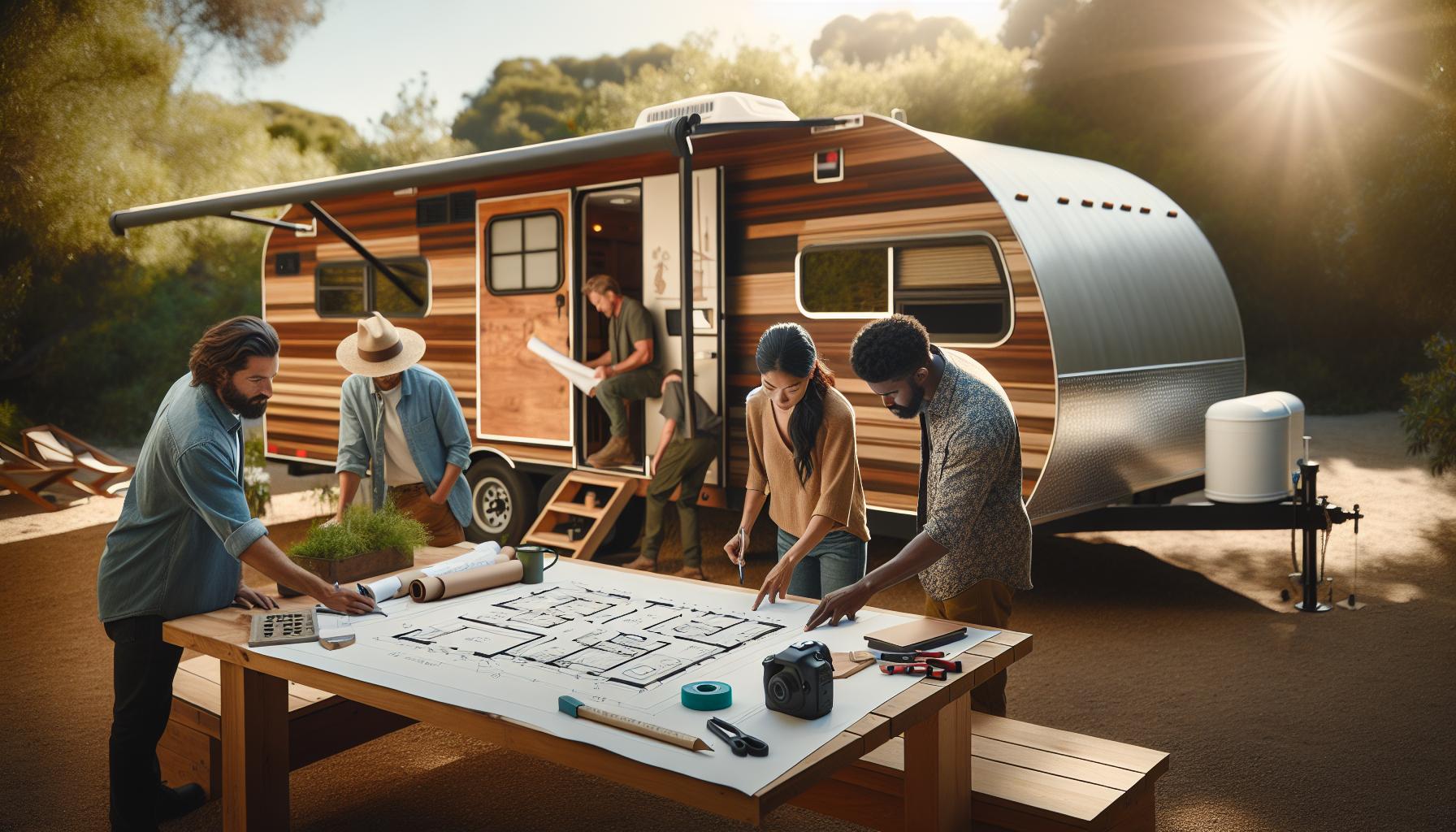
Step-by-Step Guide to Trailer Layout Planning
Creating a well-thought-out layout for your utility trailer is essential to maximize space and functionality in your tiny home. Before you start tearing down walls or grabbing your power tools, it’s crucial to strategize how each area will serve your needs and fit nicely into the available square footage. A successful layout not only optimizes efficiency but also enhances your overall living experience.
Begin by sketching a rough floor plan. Consider the essential areas that need to be included: a sleeping area, bathroom, kitchen, and possibly a workspace or dining area. The key is to prioritize your must-haves based on your lifestyle. For example, if you love cooking, allocate more space for the kitchen, even if it means a smaller sleeping area. Think about how each space will flow into the next. For example, having your kitchen near the entry can help keep dirt and debris from tracking into your living area.
Space-Saving Strategies
Utilizing vertical space is a game changer in tiny home design. Think about implementing lofts for sleeping or storage areas, which can free up the floor for other uses. Swing-away furniture like Murphy beds or foldable tables can also help by transforming your living space as needed. Another practical approach is to combine functions; a kitchen island can double as a dining table, while a sofa could be converted into a guest bed.
To avoid clutter and enhance functionality, consider built-in storage solutions. Cabinets that extend above counters, under-bed drawers, and corner shelving can help keep your tiny home organized. Make sure to allocate space for each item and assess how often you’ll use it-if it’s an infrequent item, it can be stored away in a less accessible area.
Implementing the Plan
Once you have a solid plan, visualize it using a grid system or 3D modeling tools to scale proportions accurately-this will prevent any surprises during construction. When it comes to actual layout implementation, start with the structural elements, ensuring that weight loads are balanced and support beams are placed adequately. After the basic construction, pay attention to how you bring in the interior details; this could include features such as windows for natural light, which can make the space feel larger and more inviting.
Remember, this journey is not just about building; it’s about creating a lifestyle. A well-planned trailer layout lays the foundation for comfortable, efficient living in your cozy tiny home. Engaging in this planning process encourages mindfulness about what truly matters to you in your living space, paving the way for a simpler, happier life on the road.
Insulation Options for Year-Round Comfort
Creating a truly comfortable living space in a utility trailer hinges significantly on effective insulation. With the right insulation, you can transform your trailer into a cozy retreat that stays warm in the winter and cool during the summer, making a major difference in your quality of life. Insulation not only regulates temperature but also contributes to soundproofing, allowing for a more serene environment. When considering insulation, it’s crucial to weigh your options based on climate, budget, and ease of installation.
One of the most popular insulation materials is foam board, known for its excellent thermal resistance and ease of handling. When installing foam board insulation, make sure to tightly adhere it to the trailer walls and ceiling using foil tape to prevent air leakage. According to a Reddit discussion about tiny house trailers, achieving an air-tight seal can significantly enhance comfort, allowing your heating and cooling systems to operate more efficiently effectively reduce heat gain by reflecting radiant energy away from your living space.
Ultimately, the insulation you choose should align with your specific needs and lifestyle. Drawing from various experiences and setups can provide valuable insights. For instance, utilizing multiple insulation types in combination, such as foam board on walls and fiberglass in the ceiling, can maximize overall effectiveness while optimizing costs. Educating yourself about these options and properly implementing them will make a significant difference in your tiny home experience-creating a space that is not only livable but also enjoyable all year round.
Electrical and Plumbing Considerations Explained
Converting a utility trailer into a tiny home involves carefully planning your electrical and plumbing systems to create a functional living space. The right setup not only enhances comfort and convenience but also ensures safety and compliance with regulations. Understanding these essential systems can make the difference between a cozy abode and a frustrating experience.
When it comes to the electrical systems, start by determining your power needs. Consider what appliances you plan to use-lights, refrigerator, heating, and cooking equipment-then calculate your total wattage requirements. A well-designed electrical system may include connecting to a generator, using solar panels, or relying on shore power with a dedicated cord. It’s crucial to properly size your wiring according to amperage and distance to avoid overheating and potential fire hazards. Installing a fuse box can provide an organized way to manage and protect your circuits.
Wiring Basics:
- Use THHN/THWN wire for waterproof and heat-resistant insulation.
- Install GFCI outlets in kitchens and bathrooms to prevent electrical shocks.
- Consider LED lighting as an energy-efficient option.
In terms of plumbing, you’ll need to plan for both fresh water supply and wastewater disposal. Start by installing a water tank for hot and cold water systems, ensuring it’s securely mounted. An inline water filter can improve water quality, especially if you are sourcing water from a well. For a simple setup, consider using a gravity-fed system, or opt for a pump system if pressure is necessary for showers or sinks.
Plumbing Essentials:
- Use PEX (cross-linked polyethylene) piping for its flexibility and resistance to freezing.
- Install a composting toilet or gray water system for sustainability.
- Consider adding a water heater to provide hot water, choosing between tank and on-demand options depending on space and budget.
By carefully considering your electrical and plumbing setup, you can create a tiny home that is as efficient as it is comfortable. Embrace the process as an opportunity to personalize your living area and optimize the utility trailer for both functionality and lifestyle. As you move forward, remember that engaging with communities that specialize in alternative housing can provide valuable insights and support throughout your journey.
Creating a Functional Kitchen Space in Your Trailer
Creating a welcoming and functional kitchen in your utility trailer can transform the limited space into a culinary sanctuary where you can prepare delicious meals. This area often becomes the heart of your tiny home, so it’s essential to design it thoughtfully, maximizing both functionality and style. Whether you’re on the road or parked in a permanent spot, the right kitchen setup will enhance your experience and make cooking a delight.
To make the most of the limited space, consider integrating multifunctional appliances that can serve more than one purpose. For example, a compact convection oven can function as a microwave, grill, and even food dehydrator, saving you precious counter space. Additionally, look for foldable or collapsible kitchen items-such as cutting boards, dish racks, and prep bowls- that can be stowed away when not in use. This strategy helps maintain a clean and open environment, essential in a tiny home.
Layout Essentials
When planning the layout, prioritize the work triangle concept, which focuses on the placement of the refrigerator, stove, and sink in a triangular formation to streamline cooking tasks. If space allows, an island or a movable cart can provide extra counter space and storage without being permanent fixtures. Shelving is also key; installing wall-mounted shelves or magnetic strips for knives and utensils keeps your kitchen organized and free from clutter.
Storage Solutions
Optimal storage is crucial in a tiny kitchen. Use vertical space by incorporating tall cabinets or open shelves, which draw the eye upward and create an illusion of more space. Under-sink areas can be outfitted with pull-out drawers or baskets to keep cleaning supplies organized. Incorporating cabinet hooks or pegboards can also maximize wall space for pots, pans, and cooking tools, allowing for easy access while minimizing counter clutter.
Finishing Touches
Don’t forget about personalization! Use colorful dishware, unique kitchen textiles, or decorative wall art to express your style and make the space feel homey. Consider adding a small herb garden on a windowsill for fresh ingredients at your fingertips while enhancing the overall aesthetic of your kitchen.
is not just about efficiency but also about joy and comfort in cooking. With careful planning and creative use of space, you can design a kitchen that feels spacious, functional, and uniquely yours, making your tiny home a place of comfort and culinary delight.
Stylish and Space-Saving Furniture Ideas
In a tiny home, every square inch counts, making innovative furniture solutions essential. Emphasizing style while maximizing functionality allows you to create a cozy living environment without sacrificing aesthetics. To achieve this balance, consider furniture that serves multiple purposes and can be easily adapted to your needs. Smart choices will not only conserve space but also enhance the visual appeal of your trailer home.
The first step is to invest in versatile furniture that can transform the functionality of your space. Murphy beds are a fantastic option, as they fold up against the wall during the day, freeing up floor space for activities. Coupled with a sofa or seating that converts into a bed, you can effortlessly transition from day mode to night mode. Another great space saver is a coffee table with storage; choose one with a removable top or built-in shelf to stow away books, games, or blankets.
Multi-Functional Pieces
Furniture that can adapt to different purposes is invaluable in a tiny home. Consider a kitchen island on wheels that doubles as additional counter space and a dining area. When needed, it can be moved or tucked away, making room for cooking or other activities. Similarly, folding tables and chairs provide flexible seating options for meals or workspace without taking up permanent space. When no longer needed, they can be easily stored out of sight.
Vertical Solutions
Utilizing vertical space is crucial when designing your tiny home. Opt for tall bookshelves that reach the ceiling or wall-mounted storage solutions, which draw the eye upward and create an illusion of a larger area. You can also incorporate cubes or floating shelves for added display space without consuming precious floor area. In the living area, consider using a corner sofa that maximizes seating while utilizing an underutilized corner, allowing the rest of the room to feel more open.
Incorporating stylish decor elements can tie the overall look together without overwhelming the space. Utilize decorative baskets for hidden storage and hang art or photographs to add personality without crowding the walls. The goal is to create an inviting and functional living space that feels both spacious and cozy. With thoughtful choices, you can turn your utility trailer into a stylish tiny home that perfectly aligns with your lifestyle.
Decorating Your Tiny Home: Tips and Tricks
Transforming a utility trailer into a cozy tiny home is not just about creating a functional space; it’s also about infusing your personality and style into every nook. One of the most exciting aspects of decorating a tiny home is the opportunity to express your individuality while maintaining a practical living environment. Thanks to the compact nature of trailer interiors, you can easily curate a space that feels inviting and uniquely yours without overwhelming it with excess.
Start by considering a cohesive color palette that promotes a sense of harmony. Lighter colors can make the space appear larger, while bold accents can add character. Use removable wallpaper or decals for a splash of design without the commitment, making it easy to refresh your look whenever you feel inspired. Additionally, incorporating materials like wood accents can add warmth and texture, grounding the aesthetic while keeping it inviting.
Functional Decor
In a tiny home, every piece should serve a purpose. When selecting decor, think multifunctional. Decorative items like baskets can serve as storage solutions, while stylish wall hooks can neatly hang coats or bags without sacrificing style. Invest in a few key pieces, such as a beautiful oversized mirror that reflects light and creates the illusion of more space. Consider utilizing vertical gardens or wall-mounted planters to bring in greenery, enhancing both air quality and aesthetic appeal.
Art and Personal Touches
Displaying art and personal collectibles adds character to your tiny home. Create a gallery wall with art pieces or photographs that resonate with you. Undoubtedly, it’s a conversation starter. Opt for lightweight frames to reduce weight if you’re concerned about structural limits. You can also use washi tape or clipboards for easy artwork rotation, allowing you to change your designs as often as you like without the hassle of nail holes.
Moreover, rugs and textiles can bring warmth and comfort to your space. Use area rugs to define different zones within your trailer and to add softness underfoot. Throw pillows and blankets can introduce color, texture, and comfort to seating areas or beds, enhancing coziness while allowing for personal expression. Remember, the goal is to create a sanctuary where every detail reflects your lifestyle, ensuring that your transformed trailer feels completely like home.
Legal Considerations for Tiny Home Living
Navigating the legal landscape of tiny home living, especially in the context of converting a utility trailer, can be a complex but crucial aspect of your journey. Local zoning laws, building codes, and regulations dictate where and how you can park and live in your converted trailer. Before embarking on your conversion, it’s vital to research your local regulations meticulously. Some areas may have specific restrictions on the size and nature of movable homes, while others may prohibit them altogether in certain zones. Understanding these legal contexts can help avoid fines or eviction.
Another essential legal consideration is registration and titling. Because your tiny home is built on a trailer, it is considered a vehicle in many jurisdictions. This means it must be registered, and you may need to acquire a title. Check with your state’s Department of Motor Vehicles (DMV) for specific requirements. Additionally, verify insurance needs-ensuring your home is covered under your auto insurance policy or obtaining a separate home insurance policy tailored for mobile residences.
Permitting and Inspections
Depending on the specifics of your conversion, you may also be required to obtain permits. If you plan to install a solar system, plumbing, or electrical wiring, securing necessary permits and scheduling inspections is often mandatory. These measures not only protect your safety but also validate the quality and compliance of your living space. Remember, even if your tiny home is portable, safety standards still apply, especially if you are planning to live in it year-round.
Homeowners Associations and Community Regulations
If you plan to park your trailer in an RV park or a designated tiny home community, familiarize yourself with their specific rules and regulations. Homeowners associations (HOAs) can have stringent policies regarding what types of mobile homes are allowed, how they should be maintained, and the type of modifications that can be made. Adhering to these community guidelines will ensure a harmonious living environment and prevent conflicts with neighbors.
In summary, while tiny home living offers freedom and flexibility, it’s essential to stay informed about the legalities involved in converting a utility trailer into your living space. By proactively addressing these considerations, you can create a beautiful and legally compliant tiny home that fulfills your dream of alternative living.
Cost Breakdown: Budgeting for Your Conversion
When it comes to transforming a utility trailer into a cozy living space, understanding the financial aspects of your project is crucial. A well-planned budget not only helps you manage costs effectively but also ensures you make the most out of your investment. Start by considering the overall budget range for your conversion. While estimates can vary widely, many enthusiasts report spending between $5,000 to $10,000. This range accommodates various levels of design and functionality, from basic setups to more comprehensive living spaces.
One of the first steps in budgeting is to determine the cost of the trailer itself. Used utility trailers can sometimes be found for as low as $2,000, allowing a comfortable budget for interior build-outs and essential upgrades [[1]](https://www.tnttt.com/threads/trailer-conversion-budgets.1077574/). After securing the trailer, allocate funds for key components such as insulation, flooring, and walls, which are essential for creating a comfortable environment. For instance, quality insulation is critical for maintaining temperature, especially if you plan on using your trailer year-round.
Key Budget Items to Consider:
- Trailer purchase: $1,500 – $3,000 depending on size and condition.
- Insulation: $300 – $1,000 for materials.
- Electrical system: $500 – $1,500 for solar panels, wiring, and fixtures.
- Plumbing: $300 – $700 for pipes, tanks, and fixtures.
- Kitchen and bathroom: $1,000 – $3,000, depending on appliances and design.
- Furniture and decor: $500 – $1,500 for space-saving solutions.
In many cases, DIY efforts can significantly lower your budget. Converting a trailer to a living space can be a rewarding project, especially when you incorporate second-hand materials or repurpose items you already own. Engaging in DIY tasks can help eliminate labor costs while also allowing for a personal touch to your trailer’s design. Furthermore, while it’s tempting to splurge on luxury items, focusing on essential functional features first will create a solid foundation for your tiny home.
By taking the time to outline a clear and realistic budget, you set the stage for a successful trailer conversion that meets your lifestyle needs without the stress of financial strain. This thoughtful approach allows you to enjoy the benefits of tiny home living while staying true to your financial goals.
Maintenance Tips for a Long-Lasting Tiny Home
Maintaining the longevity of your tiny home built from a utility trailer requires regular attention and simple upkeep practices. Just like any home, neglect can lead to bigger issues down the line, so setting a schedule for routine maintenance is essential. The good news is that tiny homes often come with fewer maintenance challenges than traditional houses, making them easier to manage and allowing you to focus on enjoying your compact lifestyle.
Start with the exterior; regularly check for any signs of wear and tear, especially around seams and joints where water can infiltrate. Inspect the trailer’s undercarriage and wheel bearings to ensure they’re free from rust and debris. If you’re planning to park in one location for an extended period, consider applying a weatherproof sealant to maintain the integrity of the walls. It’s beneficial to clean the trailer periodically, removing dirt and grime that can cause deterioration over time.
Routine Maintenance Checklist
- Inspect and clean the roof: Ensure no debris is piling up, and check for leaks or damage after storms.
- Check the tires: Maintain proper air pressure and inspect for wear; rotate them regularly.
- Verify plumbing and electrical systems: Test for leaks in pipes and ensure all electrical outlets function correctly.
- Maintain your appliances: Clean and service your kitchen and bathroom fixtures, and be sure to replace parts as needed.
Don’t overlook the interior, either. Materials like wood and fabric need protection from humidity and pests. Use dehumidifiers to maintain a comfortable moisture level, preventing mold growth and preserving the integrity of your furnishings. Additionally, consider investing in furniture that can serve multiple functions and is durable enough to withstand everyday use without the wear and tear seen in larger homes.
Having a seasonal maintenance schedule can help you tackle upkeep efficiently. For example, during spring, check for any weather-related damage, and do a deep clean of the interiors. In summer, focus on outdoor maintenance, while in fall and winter, ensure that your heating systems are functioning optimally. By establishing these practices, your tiny home can remain a cozy, welcoming retreat for years to come, aligning with a lifestyle that’s meant to be simple yet fulfilling.
In Retrospect
Transforming a utility trailer into your dream tiny home can be an exciting journey towards affordable and mobile living. Remember, you can start small and layer in the improvements over time. For those of you ready to dive deeper, check out our comprehensive guides on essential trailer maintenance and legal considerations for mobile living. These resources are crucial to ensure your project is not only enjoyable but also compliant with local regulations.
Don’t let uncertainty hold you back! Our community is here to support you-leave your questions in the comments, and share your progress with us. If you found this guide helpful, sign up for our newsletter for more insights on tiny living. Let’s continue this journey together toward making your alternative housing dreams a reality. Explore, create, and enjoy the freedom of mobile living!