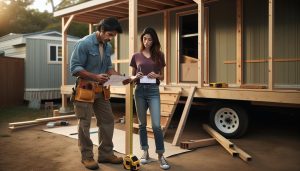
When it comes to maintaining your trailer home, knowing how to safely jack it up is essential for various repairs and improvements. Whether you need to access the undercarriage for plumbing work or simply want to level your home, mastering safe lifting techniques can protect both you and your investment. Many trailer homeowners worry about accidents or damage during this process, but with the right knowledge and tools, it can be straightforward and secure. In this guide, we’ll explore effective methods to jack up your trailer home safely, ensuring you have the confidence to tackle any project while keeping your home in top shape. Get ready to empower your DIY skills and enhance your living space!
Safe Equipment Selection for Lifting a Trailer Home

When it comes to lifting a trailer home safely, the right equipment is essential for ensuring both your safety and the integrity of the trailer. Selecting appropriate lifting equipment depends on various factors, including the size and weight of the trailer, the lifting method you plan to use, and your own level of expertise. Investing in high-quality gear not only makes the lifting process more efficient but also significantly reduces the risk of accidents.
Start by identifying the weight of your trailer, as this will guide you in choosing the correct tools. Hydraulic jacks are often recommended for their lifting capacity and ease of use; however, ensure that the jack is rated to handle the weight of your trailer. For larger trailers, consider using a heavy-duty hydraulic lift or a mechanical jack. Attachments such as jack stands are crucial for providing additional support once the trailer is lifted, preventing any potential collapse. Always check the manufacturer’s specifications for weight limits and operational instructions.
Additionally, ensure that you have stabilizing equipment such as wheel chocks and leveling blocks. These items are vital in maintaining stability during and after lifting, preventing any unintended movement. A well-maintained trolley jack can also be a versatile addition, especially in tight spaces where larger equipment might not fit. Prioritize equipment with safety features like overload protection and ensure all tools are in good working condition before commencing any lifting operation.
When selecting lifting equipment for your trailer home, always focus on quality and safety over cost. Well-made tools not only last longer but also enhance your safety during use. As you prepare for your lifting project, taking the time to choose the right equipment will ensure a smoother, safer lifting process, allowing you to focus on transforming your trailer home into the comfortable living space you envision.
Understanding the Anatomy of a Trailer Home

Understanding a trailer home’s structure is key to ensuring safe lifting and maintenance practices. Unlike traditional homes, trailer homes are designed as single units that can be towed and transported. This unique construction often involves a steel or aluminum frame, which supports the entire structure. Recognizing the anatomy-such as the floor joists, hitch, and axles-can enhance your ability to identify safe lifting points when jacking it up for maintenance or repairs.
The typical trailer home includes several critical components that play a role in its stability and safety. The frame, often made of steel, forms the backbone of the structure; ensuring that any lifting equipment is placed under the frame adds support and prevents damage. The floor joists run horizontally across the frame and distribute weight, while the axles, generally found at the base, are essential for mobility but should not be the primary lifting points. Understanding where to position your jacks and how to avoid contact with sensitive areas like plumbing or electrical lines is crucial for minimizing hazards.
When considering the weight distribution, be aware that trailer homes have a specific design meant to maintain balance. Incorrect lifting techniques can lead to tipping or damage, so identifying the center of gravity is vital. Generally, the center is located near the midpoint of the trailer’s length but may shift depending on what is stored inside. Always check the manufacturer’s guidelines to locate designated lifting points. This proactive approach not only preserves the integrity of the trailer but also protects your safety.
Lastly, a trailer home may be fitted with various features such as slide-outs or awnings. While these elements enhance living space, they can complicate lifting. Be sure to retract or secure any movable components before attempting to jack the home up, as extended slide-outs can add unexpected weight and shifting. By understanding the essential elements of a trailer home, you can create a more secure lifting plan that prioritizes safety for both yourself and your living space.
Essential Preparation Steps Before Lifting
Before attempting to lift a trailer home, conducting a thorough preparation is essential for ensuring safety and success. Proper groundwork not only safeguards your investment but also minimizes the risk of accidents during the lifting process. The stability of a trailer home can be compromised if it is not adequately prepared, so taking the right steps is key.
Start by assessing the site where you plan to lift. Ensure the ground is level and can support the weight of both the trailer and the lifting equipment. Removing any debris, rocks, or loose soil will create a solid foundation. Using leveling tools can help confirm that the area is adequately prepared. If you’re lifting the trailer with equipment such as jacks or dollies, it’s vital to have these tools nearby, ready for use.
Next, secure any movable components like slide-outs, awnings, or stabilizers. These features, while providing extra living space, can shift unexpectedly and create destabilization if left unprepared. Make sure to retract or secure them before initiating the lift. Additionally, check for any overhead obstructions such as power lines, trees, or nearby structures. Maintaining a safe distance from these hazards will help you avoid accidents during the lifting operation.
Lastly, gather the necessary equipment and tools for the lifting process. Having the right jacks that can bear the weight of the trailer is critical. Depending on the weight and height of the lift required, hydraulic jacks or bottle jacks are often recommended. Make a checklist of the items needed, which may include:
- Jacks (hydraulic, bottle, etc.)
- Wheel chocks
- Load distribution pads
- Gloves and safety gear
- Leveling blocks
Having everything organized and in one place before you start will streamline the process and enhance safety. By following these essential preparation steps, you set the stage for a safe and effective lifting experience for your trailer home.
Step-by-Step Guide to Safe Lifting Techniques
Lifting a trailer home safely is crucial for both the integrity of the trailer and your personal safety. By following a systematic approach, you can ensure that the lifting process is not only effective but also minimizes the risk of accidents. Here’s how to do it step by step.
Begin by positioning your jacks correctly beneath the trailer. Usually, the best spots are near the frame’s axles or cross members, ensuring they can handle the weight. Use leveling blocks to keep your jacks stable and straight. When you’re ready to lift, engage the jacks slowly while standing clear and at a safe distance. It’s essential to lift the trailer gradually; abrupt movements can jeopardize stability.
As you apply pressure through the jack, continuously check the trailer’s balance. If the trailer begins to tip or sway, lower it down immediately and readjust your jacks. This might involve repositioning the jacks or adding additional support to maintain a stable lift. Once you’ve achieved the desired height, insert load distribution pads or wooden blocks beneath the trailer’s frame for additional support. This will help distribute weight more evenly and provide extra security.
Before concluding the lift, double-check that all components have been secured and stabilize any extensions such as slide-outs to prevent them from shifting. After ensuring everything is set, perform a thorough inspection of the lifted trailer. Check for any signs of stress or misalignment that may indicate future issues. By following these techniques, you’ll not only safeguard your trailer but will also enhance your skills in managing your home on wheels safely and effectively.
Common Mistakes to Avoid When Lifting
When lifting a trailer home, several common missteps can lead to mishaps or even serious accidents. Recognizing and avoiding these pitfalls is key to ensuring a smooth and safe lifting process. One frequent mistake is neglecting to assess the ground surface where the jacks will be placed. If the ground is uneven or soft, jacks may sink or tip, leading to dangerous instability. Always choose a solid, flat surface and reinforce it with leveling blocks as necessary to enhance support.
Another common error is failing to distribute weight properly. Overloading one side of the trailer can cause it to tip as it’s being lifted. Always check that your load is balanced before engaging the jacks. Incorporate load distribution pads or blocks as a precaution during the lift, which aids in evenly distributing the weight across the trailer’s frame. If you notice any tilting during the lifting process, immediately lower the trailer and reposition the jacks to correct the imbalance.
Additionally, rushing the process can lead to several mishaps. Many may be tempted to hurry through the steps, but lifting a trailer is not a task to rush. It’s critical to communicate clearly with anyone assisting you and to take your time to ensure everything is correctly set up before lifting. Abrupt movements can create a lack of control; therefore, always engage the jacks slowly and steadily, closely monitoring the trailer’s reaction as you lift.
Finally, neglecting to inspect your equipment can spell disaster. Always ensure your jacks are in good working condition and rated for the weight of your trailer. Inspect the jacks for any signs of wear and replace anything that appears damaged. Keeping a checklist of your equipment before lifting will streamline the process and help maintain safety at every phase of the job. By being mindful of these common mistakes, you can foster a safer and more effective trailer lifting experience.
How to Stabilize Your Trailer for Safety
Stabilizing your trailer home is crucial for ensuring a safe lifting process and preventing accidents. The right stabilization technique can mean the difference between a smooth operation and a hazardous situation. To enhance your trailer’s stability, begin by choosing an appropriate lifting spot. Select a flat, solid ground to minimize the risk of the jacks sinking or tipping during the lift. If you’re working on softer ground, consider using sheets of plywood or leveling pads to provide extra support under your jacks.
Once you’ve found a stable location, it’s time to position your jacks and additional supports. Use a minimum of two jacks on each side of the trailer to evenly distribute the load. Start by placing them as close to the frame as possible, focusing on the specified lift points provided by the trailer manufacturer. For added stability, you can use wheel chocks to prevent any movement from the wheels while you’re lifting. Additionally, incorporating stabilizing blocks during lifting can help absorb any sudden shifts in weight and provide an extra layer of security.
After the initial lift, ensure that all stabilizing equipment is in place and correctly adjusted. A key recommendation is to employ stabilizer jacks in conjunction with your main lifting jacks. These can be adjusted to provide lateral and vertical support, enhancing the trailer’s rigidity during maintenance or repairs. For particularly tall trailers, using adjustable supports that can be customized to various heights will create a more stable work environment.
Lastly, always double-check your stabilization setup before proceeding with lifting. Look for any signs of instability, such as uneven placement of jacks or any sagging points along the trailer. Taking these precautions not only protects your trailer home but also ensures your safety during any lifting task. Incorporating these effective techniques will help you create a secure and stable working environment whenever you need to jack up your trailer home.
Post-Lifting Inspection and Maintenance Checklist
Ensuring the safety and longevity of your trailer home after lifting is paramount. Just as lifting requires careful planning and execution, the post-lifting phase necessitates a thorough inspection and maintenance checklist. This step not only secures the structural integrity of your trailer but also enhances its overall performance, allowing you to enjoy your living space without concern.
Once the trailer is lifted and you’ve completed your repairs or maintenance, start with a visual inspection. Examine the suspension system and tires for any signs of wear or damage. Check for warped or damaged axles, as these can impact the trailer’s stability when lowered. Additionally, look around for any fluid leaks under the trailer, particularly from the brake lines or hydraulic systems, which can indicate underlying issues that need immediate attention.
Next, ensure that all lifting equipment has been appropriately removed and stored. Be cautious to check the secure placement of wheels and stabilizers, ensuring they are functioning correctly before you lower the trailer. Once you’re ready to bring the trailer back down, do so slowly and steadily, maintaining control throughout the process. After lowering, double-check that all stabilizing jacks are properly disengaged to avoid any potential hazards.
Finally, maintain your trailer proactively by creating a scheduled maintenance plan. This can include regular checks of the undercarriage, brake systems, and electrical connections. Consider documenting repairs and conducting seasonal reviews, particularly before major travel periods, to stay ahead of any potential issues. Adopting these practices contributes to the safety of your trailer home and ensures that it remains a comfortable and reliable refuge for years to come.
Understanding Weight Distribution and Balance
Weight distribution and balance are crucial aspects to consider when preparing to lift a trailer home. An unbalanced load can not only make the lifting process hazardous but also lead to structural damage or even tipping during or after the lift. Properly distributing weight ensures that the trailer remains stable throughout the entire lifting process, providing peace of mind as you perform maintenance or repairs.
Before lifting, evaluate where the trailer’s weight is concentrated. Start by removing any unnecessary items from within the trailer that may add uneven weight, especially heavy furniture or appliances. Aim for a balanced load by placing heavier items over the axles and lighter items towards the front and rear. This balance mitigates excess pressure on specific points of the trailer, allowing for a safer lifting experience. Additionally, be mindful of any water tanks, propane bottles, or other heavy appliances that may impact the trailer’s center of gravity.
Checking Load Limits
Understanding load limits plays a significant role in maintaining balance. Consult your trailer’s owner manual for specific weight ratings and loading guidelines. Exceeding these limits not only jeopardizes safety but can also lead to long-term damage to the trailer’s structure. When preparing for lifting, gather accurate measurements and logs of what your trailer typically weighs. This data can guide you in balancing loads during maintenance routines.
When lifting, use a combination of jacks and blocking materials tailored to distributed weight. For example, using a hydraulic jack at multiple points can help ensure that weight is evenly shared across the trailer’s frame. This method prevents excess stress on any one area, which is particularly important when lifting heavy trailers. Always be sure to support the trailer with sturdy, reliable materials that can accommodate the weight safely.
In conclusion, prioritizing weight distribution and balance significantly enhances the safety and effectiveness of lifting a trailer home. By being mindful of where the weight is placed, adhering to load limits, and using appropriate equipment, you can take proactive steps to secure a smooth lifting experience. Adopting these practices not only protects your investment but also extends the life of your trailer home, allowing you to enjoy it worry-free for years to come.
Recommended Tools and Equipment for Lifting
To safely jack up a trailer home, selecting the right tools and equipment is paramount. Using equipment designed for the job ensures stability, safety, and efficiency throughout the lifting process. The choice of tools can make a significant difference, not only in how easily you manage the lift but also in preventing potential accidents that could arise from improper equipment.
A well-constructed lifting system typically incorporates several key tools:
- Hydraulic Jacks: These provide the force needed to lift the trailer safely. Choose jacks with appropriate weight ratings and ensure they can handle the total weight of your trailer when fully loaded. A combination of one or more jacks placed under sturdy points of the frame is ideal.
- Jack Stands: Once the trailer is lifted, always support it with jack stands to prevent any accidents. These provide an extra layer of safety, particularly when performing extended maintenance or repairs.
- Wooden Blocks or Shims: These are useful for leveling the trailer or providing additional support under the jack. They can help distribute weight evenly and prevent slippage during lifting.
- Leveling Equipment: A level tool ensures that your trailer is lifted evenly, which is crucial for stability. Ensuring that the ground surface is even before beginning the lift can also mitigate imbalance risks.
- Tire Changing Equipment: If your intention includes changing tires, having a quality lug wrench and potentially a portable tire inflator can save you time and effort.
It’s essential to familiarize yourself with these tools before starting the lifting process. For instance, test your hydraulic jack to ensure it functions correctly without any leaks. Having all necessary equipment within reach and in good working condition can streamline your project, making the lifting process smoother and safer. Additionally, using protective gear like gloves and steel-toed boots can provide necessary safety measures as you work around hefty equipment.
By carefully selecting and preparing your tools, you take significant steps toward making your trailer home lifting experience safe and efficient. The right equipment not only aids in protecting your investment but also builds confidence in your ability to perform maintenance or repairs, ensuring your trailer remains a cherished part of your living space for years to come.
Best Practices for Multi-Trailer Lifting Scenarios
When lifting multiple trailers or managing a multi-trailer scenario, understanding the nuances of weight distribution, equipment selection, and safety protocols become critical to ensuring a successful operation. In such situations, meticulous attention to detail not only enhances safety but can also streamline the lifting process, allowing you to tackle larger projects with confidence.
To begin, it’s vital to assess each trailer’s weight and distribution carefully. Knowing the individual weights helps in selecting the right lifting equipment and ensures that you don’t overload your tools. For multi-trailer lifts, using hydraulic jacks that can support the combined weight is essential. Additionally, when lifting multiple trailers, position the jacks under the most robust points on the frame and ensure that they operate in unison when lifting. This coordinated effort helps to maintain an even balance and ensures that no individual trailer is subjected to excess strain.
Another key aspect is stabilization during the lifting process. Using jack stands is non-negotiable; they provide that extra layer of safety once the trailers are lifted. Furthermore, consider using wooden blocks or other stabilization methods to support the trailer securely while it is elevated. This is especially important if you are working on multiple trailers at once, as it mitigates the risk of shifting or rolling.
Lastly, always conduct a pre-lift inspection and a post-lift check. Before lifting, verify that all equipment, including jacks and jack stands, are fully operational and stable. After the lift, inspect the trailers for any shifts or changes in alignment. Keeping a keen eye on these elements not only promotes effective lifting practices but also helps identify potential issues before they become major safety hazards. By following these practices, your multi-trailer lifting endeavors can be both safe and efficient, opening the door to various maintenance and repair tasks without unnecessary complications.
Troubleshooting Problems During the Lifting Process
When lifting a trailer home, encountering challenges is not uncommon. One of the most important aspects of ensuring safety during the lifting process is being prepared to troubleshoot any problems that may arise. Familiarizing yourself with potential issues can ensure a smoother and safer lifting experience, so documenting common obstacles can greatly aid anyone tackling this task.
Start by watching for instability as the lift progresses. If you notice the trailer shifting or tilting, it’s crucial to halt the process immediately. Check the positioning of your jacks-are they on a flat, stable surface and directly under the trailer’s load-bearing points? Using a level can help confirm that jacks are positioned evenly. If you find that the jacks are not stable, readjust them accordingly and add wooden blocks or other supports to create a more secure setup. Always remember, safety first-never compromise on stability.
Another common issue is the jacks failing to lift or struggling to gain height. If the hydraulic fluid is low or there are air bubbles in the lines, the jacks may not operate effectively. Routine maintenance on your jacks, such as checking fluid levels and inspecting for leaks, can prevent this issue either before or during the lifting process. If jacks are not functioning as expected, immediately stop the lift and address the issue before attempting to continue.
Lastly, be mindful of any noise or unusual sounds coming from the equipment. Grinding, squeaking, or hissing could signal that something is wrong, either with the jacks or the trailer structure itself. If such noises occur, it’s best to cease operations and conduct a thorough inspection of all involved materials and tools. Often, taking a pause to reassess can save significant time and prevent accidents later on.
Being proactive about potential issues will make lifting your trailer home not only safer but also more efficient. Equip yourself with knowledge, prepare for the unexpected, and remain calm and focused throughout the process to ensure a successful lift every time.
Regulatory Considerations and Safety Standards
In the realm of trailer home management, understanding and adhering to can significantly reduce risks and enhance your lifting process. Many states and municipalities have specific regulations regarding the lifting and maintenance of trailer homes, which are often classified under mobile or modular homes. Failing to comply with these regulations can not only jeopardize safety but may also lead to penalties or fines. Always check local building codes and regulations related to lifting or relocating trailer homes to ensure you meet the required safety measures and obtain any necessary permits.
Moreover, safety standards set by organizations such as the American National Standards Institute (ANSI) and the Occupational Safety and Health Administration (OSHA) provide robust guidelines to follow. For example, OSHA emphasizes the importance of using equipment rated for the weight of the load and ensuring that your lifting gear is adequately maintained and inspected. Consider implementing a safety procedure checklist before starting any lifting operation that includes the following:
- Inspection of Equipment: Ensure all jacks, blocks, and lifting devices are in good condition.
- Load Limits: Always comply with the manufacturer’s specified load limits for all lifting equipment.
- Stability Checks: Confirm that the trailer is on level ground and assess the stability of the support systems.
- Personal Protective Equipment (PPE): Wear appropriate gear, such as gloves, steel-toed boots, and safety glasses.
- Emergency Procedures: Establish clear protocols for dealing with potential emergencies, including how to stop the lift and assess the situation quickly.
To ensure a safe and compliant lifting process, consider consulting experts or professionals familiar with local regulations or labor standards. They can provide insights not only on safety practices but also on effective training for anyone involved in the lifting process. Regular training and updates can foster a culture of safety, helping to minimize accidents and enhance overall efficiency in trailer home management.
By prioritizing these , you empower yourself and those around you to engage in safe practices while maintaining your trailer home, making the experience more enjoyable and stress-free.
To Wrap It Up
Now that you’re equipped with safe lifting techniques for your trailer home, it’s time to put that knowledge into action! Remember, ensuring stability and safety is paramount when lifting, so take your time and don’t hesitate to revisit our detailed guide if you need a refresher. For more practical advice on maintaining your trailer home, check out our articles on basic maintenance and essential tools for every DIY enthusiast.
We encourage you to share your experiences or any tips you may have in the comments below. Engaging with our community helps everyone! If you found this guide useful, consider subscribing to our newsletter for access to exclusive tips and upcoming articles. And don’t forget to explore additional resources like financing options and renovation ideas to enhance your mobile home living experience. Your next project is just a click away!