Wiring a trailer home safely is essential for maintaining a comfortable and secure living environment. Did you know that improper electrical work is one of the leading causes of home fires? Whether you’re renovating your trailer home or simply looking to upgrade your electrical system, understanding the basics of wiring is crucial. This guide will walk you through the essential steps and safety precautions, ensuring that your project is not only effective but also safe. From knowing the right materials to understanding local codes, we’ll empower you to tackle this task with confidence. Read on to discover how you can easily enhance your trailer home’s electrical system while prioritizing safety.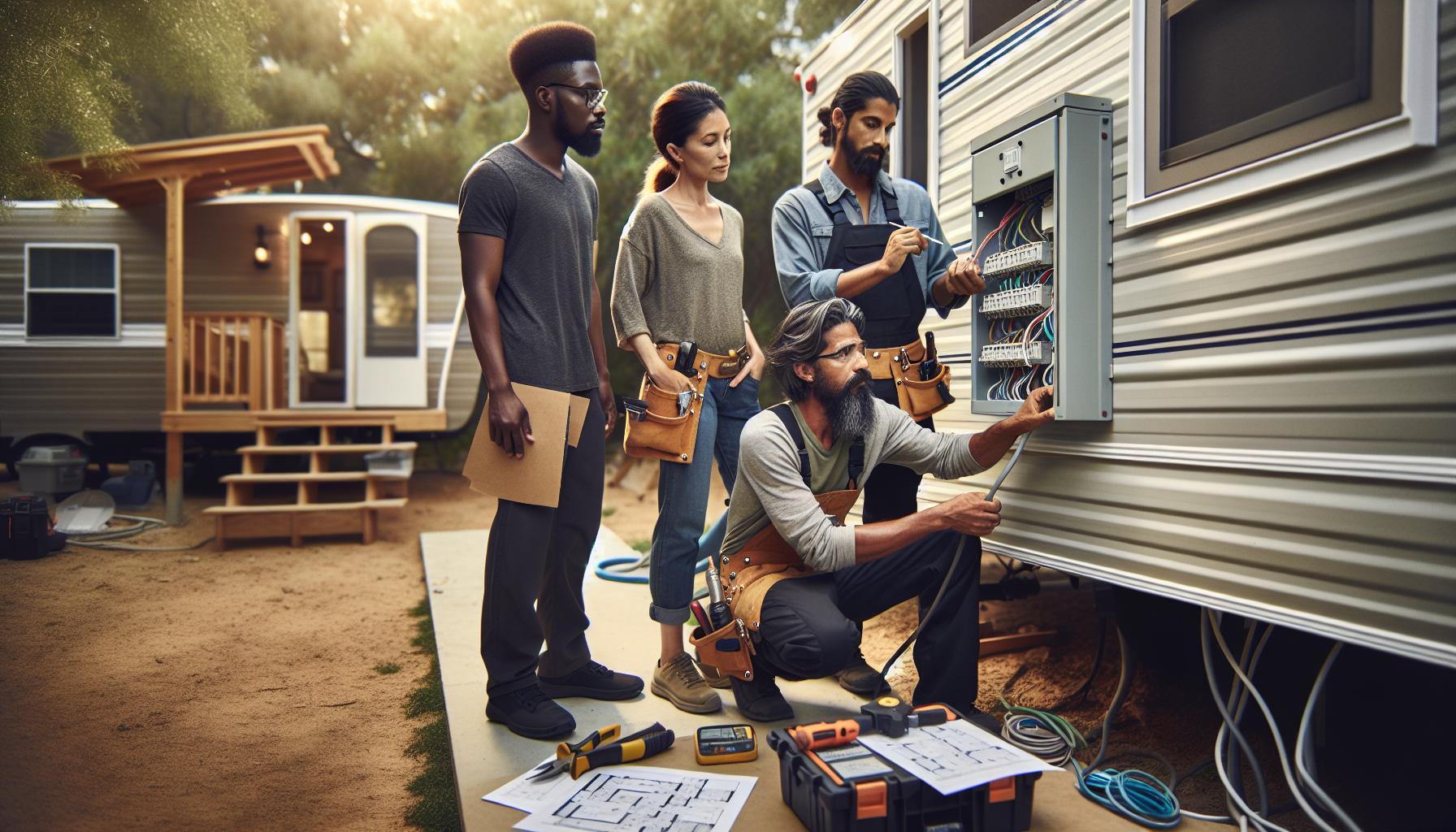
Understanding Electrical Systems in Trailer Homes
Electrical systems in trailer homes are often designed to provide efficiency and reliability, while still addressing the unique challenges posed by the mobile nature of these homes. One key consideration is the distinction between standard residential wiring and that used in mobile homes. Typically, trailer homes utilize thinner wire gauges due to their compact size and specific power needs, which can vary based on the home’s layout and the appliances used. Understanding these differences is crucial for any homeowner looking to manage their electrical system effectively.
When installing or upgrading wiring in a trailer home, it’s essential to recognize the types of materials and equipment designed for mobile environments. Commonly seen in these homes are GFCI outlets, which provide critical protection against electrical shock in areas near water, such as kitchens and bathrooms. Additionally, it’s vital to know the locations of the main electrical panel, circuit breakers, and any fuses, as these components are central to your home’s electrical safety. They help prevent overload situations that could potentially lead to fires, making their proper functioning imperative.
To ensure longevity and performance, regular maintenance and inspections of the electrical system are necessary. Homeowners should routinely check for signs of wear and tear, such as frayed wires or faulty outlets. Keeping a close eye on these components not only enhances safety but also improves the overall efficiency of the home’s electrical system. Additionally, understanding local electrical codes and regulations can aid in maintaining compliance and ensuring that any upgrades or changes are performed correctly. This knowledge is empowering, enabling you to make informed decisions about your trailer home’s electrical setup, whether for routine maintenance or significant renovations.
Essential Safety Precautions for Wiring
When working with electrical systems in trailer homes, safety should always be the top priority. The combination of limited space and the mobility of these homes creates unique electrical challenges that require careful planning and execution. Taking proper safety precautions can prevent potential hazards, protect your investment, and ensure a reliable power supply for your everyday needs.
One of the first steps in ensuring safety is to always disconnect power before starting any wiring project. This can prevent electric shocks and short circuits. Use a circuit tester to confirm that the power is off, even if you believe you’ve cut it off at the source. Additionally, it is crucial to use the correct gauge wire suitable for your trailer home. Thinner wires may not handle the load properly, leading to overheating and, ultimately, fire hazards. For most trailer wiring, stranded copper wire is a good choice due to its flexibility and conductivity.
Another essential precaution is to utilize GFCI (Ground Fault Circuit Interrupter) outlets in areas of high moisture, such as kitchens and bathrooms. These outlets can automatically cut off power if there’s a fault, protecting against electrical shock. Furthermore, ensure that your circuit breakers are correctly rated for the appliances they service. Overloading a circuit can lead to tripped breakers, but if breakers are inadequately rated, it can also result in fire risks.
Finally, it’s important to conduct regular inspections of your wiring and electrical components. Look for signs of wear, such as frayed wires, discoloration around outlets, or any burning smells. Identifying issues early can prevent larger problems down the line. By combining these precautions with a solid understanding of trailer home wiring, you can maintain a safe and functional living environment.
Tools and Materials Needed for Wiring
When embarking on a wiring project in a trailer home, having the right tools and materials at your disposal is crucial for ensuring safety and efficiency. With limited space and unique electrical configurations, equipping yourself with suitable items will not only make your job easier but also help you avoid potential hazards. Understanding what you’ll need can transform a daunting task into a manageable one, empowering you to tackle your home improvements confidently.
To get started, gather the essential tools:
- Circuit Tester: Use this to ensure that power is off before beginning any work.
- Wire Strippers: Ideal for removing insulation from wires without damaging the conductor.
- Screwdrivers: Both flathead and Phillips types are essential for various screw sizes.
- Pliers: A good pair of needle-nose pliers can help with bending and shaping wires.
- Voltage Meter: This helps in diagnosing electrical issues by measuring the voltage in circuits.
- Utility Knife: Handy for cutting through electrical tape, insulation, or other materials.
- Drill and Bits: Useful for securing plates or making new holes if additional wiring is needed.
Next, consider the materials required for wiring:
Wiring and Electrical Supplies
- Wiring: Stranded copper wire is typically preferred for its flexibility and conductivity, especially in trailer homes.
- Outlet Covers and Plates: These protect the wiring and outlets while providing a finished look.
- Circuit Breakers: Ensure you have the correct amperage breakers for your specific devices and overall load.
- GFCI Outlets: Essential for locations prone to moisture, such as kitchens and bathrooms.
- Toggle Switches: Necessary for controlling the flow of electricity in different areas.
- Electrical Tape: Used for insulating and securing wire connections.
- Wire Connectors: These come in various types, like twist-on and push-in, to create secure connections between wires.
Having the right tools and materials not only simplifies the process but also ensures that you can follow best practices for safety and functionality. Remember, each trailer home may have slight variations in electrical systems, so always double-check local codes and guidelines for any specific requirements before starting your project. With preparation and knowledge, enhancing your trailer home’s electrical system can be a rewarding experience that improves both your comfort and safety.
Step-by-Step Guide to Wiring Basics
When wiring a trailer home, understanding the process can significantly contribute to your safety and the longevity of your electrical system. Whether you are adding new wiring or making replacements, following a clear, step-by-step approach is essential for achieving a successful and efficient outcome.
Begin by ensuring all power sources are turned off. Always use a circuit tester to confirm that there is no electricity flowing to the areas you will be working on. Once the power is safely off, plan your wiring layout. This involves mapping out where outlets, switches, and appliances will be located, ensuring you adhere to proper spacing and load considerations.
Next, gather your materials and tools to streamline the process. For instance, prepare the stranded copper wire, which is typically preferred for its flexibility, along with GFCI outlets for moisture-prone areas and the necessary circuit breakers. Understanding which size and type of circuit breaker you’ll need will help prevent overloads and ensure safety.
As you begin installing the wiring, start with the outlet boxes. Secure the boxes in place and run your wiring from each outlet to the main panel. Make sure to leave enough wire for connections; typically, 6 to 12 inches is sufficient. Utilize wire connectors to make secure connections between different wire sections, ensuring you properly follow color codes-black or red for hot wires, white for neutrals, and green or bare copper for ground wires.
Once all connections are made, it’s crucial to double-check that everything is securely fastened and insulated. Use electrical tape to wrap connections, and carefully insert the wires back into the outlet boxes. Finally, install the outlet covers and switch plates, ensuring they are securely fastened to avoid any potential hazards. Before turning the power back on, review your work to catch any mistakes.
With each step completed, you can safely restore power and test your installations. This methodical approach not only enhances the functionality of your trailer home but also empowers you to take charge of your living space with confidence and care for future electrical needs.
Common Wiring Mistakes and How to Avoid Them
When wiring a trailer home, even small oversights can lead to significant hazards. The key to a successful wiring project lies in recognizing common mistakes and proactively addressing them. One prevalent error is not properly securing connections, which can result in loose wires that lead to arcing or electrical fires. Always ensure that wire nuts are tightly connected and wrap with electrical tape for added safety.
Another frequent pitfall is neglecting the importance of following electrical codes. Each local jurisdiction has specific regulations that dictate wire gauge, outlet placement, and safety measures. Failing to comply can lead not only to electrical failure but also to legal repercussions during inspections. Make it a priority to familiarize yourself with these codes or consult a professional when in doubt.
Using the wrong tools or materials is also a common mistake. For instance, utilizing non-rated outlets in areas prone to moisture can lead to dangerous situations. Always use GFCI outlets in kitchens and bathrooms. It’s wise to invest in quality tools, as inferior ones can malfunction and compromise your work.
Lastly, underestimating the planning phase can create chaos during installation. Rushing through the layout can result in running out of wire or damaging materials. Take the time to map out your wiring paths clearly, accounting for all appliances and lighting needs. This foresight will save you time and frustration down the road and ensure that your trailer home is both functional and safe for years to come.
Understanding Circuit Breakers and Fuses
is vital for ensuring the safety and functionality of the electrical system in your trailer home. These components serve as the first line of defense against electrical overloads and short circuits, which can lead to fires or equipment damage. Essentially, circuit breakers and fuses protect your wiring by interrupting the flow of electricity when they detect problems, thereby preventing dangerous conditions.
What Are Circuit Breakers and Fuses?
Circuit breakers are automatic switches that disconnect electric circuits when overloaded. They can be easily reset after being tripped, making them convenient for modern electrical systems. In contrast, fuses operate similarly but must be replaced once they have blown due to excessive current. Understanding how both operate will help you maintain a safer living environment.
Types of Circuit Breakers
There are several types of circuit breakers to consider when wiring a trailer home:
- Single-Pole Circuit Breakers: Suitable for standard 120V circuits, commonly used for general lighting and outlets.
- Double-Pole Circuit Breakers: Used for 240V circuits that power larger appliances like air conditioners and water heaters.
- Ground Fault Circuit Interrupters (GFCI): Essential in wet areas like kitchens and bathrooms, these breakers mitigate shock hazards by cutting off power when ground faults are detected.
- Arc-Fault Circuit Interrupters (AFCI): Designed to prevent electrical fires by detecting arcing faults and shutting off the circuit.
Maintaining Fuses and Breakers
Regular maintenance of circuit breakers and fuses is crucial. Here’s how you can keep your electrical system in check:
- Test Your Breakers: Periodically trip your circuit breakers by turning them off and then back on to ensure they’re functioning properly.
- Inspect for Damage: Look for signs of wear or burning around the circuit panel, which may indicate overloads or faults needing attention.
- Replace Old Fuses: For homes with fuse boxes, replace any blown fuses promptly to avoid ongoing electrical issues.
Understanding these protective devices will not only enhance your trailer home’s safety but also reinforce your confidence in managing electrical aspects effectively. Whether performing routine checks or troubleshooting issues, being knowledgeable about your electrical system’s components is a crucial aspect of responsible home maintenance.
Upgrading Electrical Systems in Older Trailers
Many older trailers were built with electrical systems that may not meet modern standards, making upgrades not just beneficial but often necessary for safety and functionality. Updating the electrical system in your trailer not only enhances your living space but also ensures that it can efficiently support the demands of today’s appliances and technology. Whether you’re planning to add new devices or simply want to ensure your system is safe, understanding the steps for upgrading can make the process easier and more manageable.
To begin with, evaluate your current electrical system’s capacity. Many older trailers have limited amperage-often 30 to 50 amps-which may not be sufficient for modern living. Consider upgrading to a higher capacity, usually 100 amps, which provides more flexibility for additional circuits and appliances. Consult with a licensed electrician for a thorough assessment and to understand the code requirements in your area.
Steps to Upgrade Your Electrical System
- Plan Your Upgrade: Determine what appliances you need to power and calculate the load to ensure your new system can handle it.
- Replace Old Wiring: Use modern wiring materials, such as copper wire, which are safer and more efficient than older aluminum wiring.
- Install a New Breaker Box: A new breaker box will allow you to add more circuits as needed, accommodating modern electrical devices.
- Upgrade to GFCI Outlets: Installing Ground Fault Circuit Interrupter outlets in areas susceptible to moisture, like kitchens and bathrooms, improves safety.
- Consider Additional Features: Think about incorporating smart home systems or improved lighting options, which may require new wiring and outlets.
Safety is paramount during this process. Be sure to turn off all power sources before undertaking any electrical work and consider hiring professionals for any modifications that go beyond your comfort level. Following local codes and regulations is vital to ensure compliance and safety for your living environment.
Ultimately, investing in an upgraded electrical system enhances not just safety but also the overall experience of living in your trailer home. With the modern demands of appliances and electronics, a well-maintained, upgraded electrical system is a worthy investment that allows for a comfortable, convenient, and safe home environment.
How to Wire for Modern Appliances
Wiring for modern appliances in a trailer home can seem intimidating, but a little understanding and careful planning can make the process seamless and safe. Today’s appliances often require more power and specific wiring configurations than those found in older models. Prioritizing these needs will not only enhance functionality but also improve safety and efficiency in your living space.
When preparing to wire for modern appliances, it’s essential to assess the power requirements of each device. Many newer appliances can draw significant current, potentially exceeding the limits of existing circuits if not adequately addressed. Start by checking the manufacturer specifications for voltage and amperage. For instance, a standard refrigerator may require a dedicated circuit of 15 to 20 amps, while a microwave might need a similar setup. Therefore, planning your electrical layout is crucial-determine which appliances require their dedicated circuits and which can share existing ones without overloading.
Steps to Properly Wire for Modern Appliances:
- Choose the Right Wire: Use wiring that matches the current requirements of your appliances. Typically, 12-gauge wire is used for circuits requiring 20 amps, while 14-gauge wire is suitable for 15 amps. Never use smaller gauge wire than recommended for the circuit’s amperage.
- Install Dedicated Circuits: For high-draw appliances like refrigerators, washing machines, and dishwashers, dedicate individual circuits to prevent overloading. This also aids in troubleshooting if issues arise.
- Use GFCI and AFCI Protection: Ground Fault Circuit Interrupter (GFCI) outlets are important in moisture-prone areas like kitchens and bathrooms, while Arc Fault Circuit Interrupters (AFCI) protect against electrical fires by detecting dangerous arcs in the circuit.
- Consult Local Codes: Always check your local electrical codes regarding appliance installations. Compliance not only ensures your safety but also prevents potential issues when selling your property or seeking insurance.
Lastly, consider future needs when planning your system. With the rise of smart appliances, ensure your setup can accommodate future upgrades without extensive rework. By taking these steps and remaining mindful of electrical safety, you can effectively wire your trailer home for modern appliances, ensuring a comfortable and functional living environment tailored to your lifestyle.
Outdoor Wiring Considerations for Trailer Homes
When wiring a trailer home, outdoor wiring considerations are crucial for ensuring safety and functionality. Since trailer homes often occupy various terrains, the external wiring systems need to be resilient against weather conditions and environmental factors. Proper outdoor electrical setups will not only protect your home but also enhance your outdoor living experience.
Begin by assessing the necessary power supply for outdoor equipment such as lights, outlets, or garden tools. An essential step is to install weather-resistant outlets in locations where electrical access is needed outside. These outlets should be GFCI (Ground Fault Circuit Interrupter) protected, which automatically cuts off power if a ground fault is detected, preventing shocks and electrical fires. For outdoor lighting, consider low-voltage LED fixtures, which are safer and more energy-efficient.
Essential Components for Outdoor Wiring
To ensure your outdoor wiring is up to standards, keep in mind the following components and practices:
- Conduit Usage: Use weatherproof conduit to protect wires from moisture, sunlight, and physical damage. PVC or metallic conduit provides excellent protection for the wiring.
- Burial Depth: If running underground wires, follow local codes regarding burial depth. Generally, non-metallic cables should be buried at least 24 inches deep, while direct burial cable is more tolerant of shorter depths.
- Power Rating: Always check the power ratings for both wiring and outdoor equipment to avoid overheating or overloading circuits.
Your outdoor wiring setup also needs to account for local codes and regulations. Familiarize yourself with your area’s electrical codes, as they provide guidelines that ensure safety and compliance in your wiring projects. Failure to adhere to these regulations can lead to hazards and complicate any future home insurance claims.
Lastly, don’t forget about maintenance and safety checks. Regularly inspect outdoor connections for wear and tear, especially after severe weather. Keeping outdoor wiring in good condition not only enhances safety but also prolongs the life of your electrical systems. By following these guidelines, you can create a safe and enjoyable outdoor environment for your trailer home.
Maintenance Tips for Trailer Home Wiring
Maintaining the electrical wiring in your trailer home is essential to ensuring safety and longevity. Regular checks can help detect potential problems before they escalate into safety hazards. Just like with any other aspect of your home, neglecting your electrical system could lead to costly repairs or dangerous situations. By focusing on a few straightforward maintenance tasks, you can keep your wiring in good condition and reduce the risk of electrical issues.
One of the most important aspects of wiring maintenance is conducting routine inspections. Check outlets, switches, and junction boxes for any signs of wear or damage. Look out for frayed wires, loose connections, or scorch marks around outlets, which can indicate overheating. If you spot any issues, it’s crucial to address them immediately, either by tightening connections or, in more severe cases, replacing faulty components.
Regular Maintenance Tasks
Consider incorporating the following routine tasks into your maintenance schedule:
- Visual Inspections: Regularly inspect all visible wiring and electrical fixtures for signs of damage.
- Test GFCI Outlets: Monthly, test Ground Fault Circuit Interrupter (GFCI) outlets to ensure they function correctly by pressing the “test” button and then reset it.
- Keep Wiring Accessible: Ensure that wires and cables are accessible and not buried under heavy furniture or stored items, as this can lead to wear or overheating.
Additionally, if your trailer home is older and has outdated wiring, consider having a professional electrician evaluate your system to recommend upgrades. Newer, safer wiring options can better accommodate modern appliances and electronics, providing a more efficient and safer environment.
Lastly, staying informed about local electrical codes and regulations is vital. Adhering to these standards not only ensures safety but may also affect homeowner insurance policies or potential resale value. By routinely maintaining your electrical wiring and keeping informed, you’ll contribute to a safe, functional, and comfortable living space in your trailer home.
Recognizing and Troubleshooting Wiring Problems
Recognizing issues with your trailer home’s wiring system can be crucial in maintaining safety and functionality. Many electrical problems can manifest in subtle ways that may go unnoticed until they escalate into larger issues. Early detection can save you time, money, and most importantly, protect your living environment from potential hazards.
Begin by becoming familiar with common signs of electrical problems. If you experience frequent circuit breaker trips, flickering lights, or an unexplained burning smell, these could be indicators of wiring troubles. Additionally, if outlets feel warm to the touch or your appliances are underperforming, it’s time to take action. Checking these symptoms regularly can help catch problems before they become severe.
Steps to Troubleshoot
When you suspect that something’s off with your wiring, follow these troubleshooting steps:
- Inspect Breakers and Fuses:
Check which circuit breaker is tripping. Reset it if necessary, but if it happens repeatedly, you may have a circuit overload or short. - Examine Connections:
Look for loose or corroded connections at outlets and junction boxes. Tighten screws and replace any damaged components. - Assess for Overheating:
Feel outlets and switches for heat. If they are hot, it could indicate faulty wiring or that the outlet is overloaded. - Utilize a Multimeter:
A multimeter can help measure voltage and continuity in wires. It’s a practical tool for diagnosing short circuits and open connections.
Common Wiring Issues
Understanding common problems can guide you in troubleshooting more effectively. Some of these include:
| Issue | Possible Cause | Action |
|---|---|---|
| Frequent breaker trips | Circuit overload or short circuit | Reduce appliance load or consult an electrician |
| Flickering lights | Loose wiring or incompatible bulbs | Check fixtures, tighten connections, replace bulbs |
| Warm outlets | Overloaded outlet | Reduce usage or upgrade wiring |
Taking the time to recognize and address these problems will ensure your trailer home remains a safe haven. If, after troubleshooting, issues persist or worsen, it’s wise to contact a professional electrician who is experienced with mobile and trailer home wiring. They can provide the expertise needed to resolve complex issues correctly and safely, ensuring your home remains both functional and comfortable.
Understanding Local Electrical Codes and Regulations
is crucial for anyone looking to wire a trailer home safely. Compliance with these codes not only ensures the safety of your home but also protects you from potential fines and complications when selling or renting your property. Electrical codes can vary significantly by location, reflecting local building practices, safety standards, and environmental considerations. As such, it’s important to familiarize yourself with the specific regulations in your area.
Most areas adhere to the National Electrical Code (NEC), which sets the minimum safety standards for residential wiring. The NEC covers various aspects, including the types of wiring materials permissible, the required grounding methods, and the necessary amperage ratings for circuits. Additionally, local amendments may exist that address unique geographical hazards or community standards. For instance, mobile homes often have specific requirements related to the wiring of electrical panels, circuit breakers, and grounding methods to mitigate the risks associated with mobile living.
Before beginning any electrical work, check with your local building department or fire marshal to understand the relevant codes. You may need to obtain a permit for certain projects, which can be a straightforward process that involves submitting plans for approval. Once you’ve completed your wiring work, an inspection may be required to ensure everything meets safety regulations. This could involve verifying the type and condition of wires used, ensuring proper installation of outlets and fixtures, and confirming that all grounding methods comply with local standards.
To summarize, adhering to local electrical codes is not just a legal obligation but an important part of maintaining electrical safety in your trailer home. Here are a few tips to ensure you’re compliant:
- Research local codes: Visit your local government website or contact building and safety departments.
- Obtain necessary permits: Don’t skip this step; it’s crucial for legal compliance.
- Schedule inspections: Always have your work inspected to ensure it meets safety standards.
- Stay updated: Keep an eye on any changes to electrical codes in your area.
By taking these steps, you can ensure that your wiring is safe, reliable, and up to code, creating a secure living environment in your mobile home.
Final Thoughts
As you wrap up your journey on how to wire a trailer home safely, remember that the skills you’ve gained here empower you to tackle electrical tasks with confidence and care. Ensuring your trailer home is both safe and functional is essential not only for your peace of mind but also for enhancing your living experience. Don’t forget to check out our articles on basic maintenance tasks and improvement projects to further your knowledge and skills-each one can help make your home a better place to live.
Take the next step by signing up for our newsletter to stay updated with expert tips and resources tailored to trailer and mobile home living. Have questions or insights to share? We encourage you to leave a comment below! Your experience could help others navigate their electrical projects more effectively. Let’s keep the conversation going and ensure you’re well-equipped for all your home improvement needs!