Trailer homes offer an affordable and flexible living solution that can transform your lifestyle and financial outlook. Whether you’re considering downsizing, seeking a vacation getaway, or pursuing a budget-friendly housing option, understanding the costs associated with trailer homes is crucial. This guide will equip you with insights into pricing factors, financing options, and hidden costs, ensuring you make informed decisions tailored to your needs. By exploring the price spectrum of trailer homes, you’ll gain a clearer picture of what to expect and how to navigate the buying process. Join us as we delve into this essential topic, helping you turn your dream of trailer home living into a reality.
Understanding the Basics of Trailer Home Costs
The landscape of trailer home ownership often surprises first-time buyers with its complexities. While the headlines may tout low purchase prices, the reality is that a myriad of factors influence the overall cost of owning a trailer home. From initial purchase price to ongoing expenses, understanding these costs is crucial for anyone considering this lifestyle. You might find that the base price of a new trailer can range widely, often from $50,000 to over $100,000, depending on models and add-ons. However, this is just the tip of the iceberg.
Several factors play a pivotal role in determining trailer home prices. Location is significant; homes in urban areas tend to be pricier due to demand and land costs. Additionally, the condition and age of the home can heavily influence its price, with newer models generally commanding higher costs. Moreover, seasonal fluctuations can affect prices, as many sellers may price their homes lower in off-peak seasons to attract buyers.
When considering the purchase of a trailer home, it’s important to factor in additional expenses that go beyond the price tag. These can include costs for installation at the site, utilities, insurance, and ongoing maintenance, which can collectively add thousands to your budget. In many cases, new homeowners also find themselves needing to invest in upgrades or renovations shortly after purchase to make the home more livable or aligned with their personal tastes. Overall, while trailer homes can provide an affordable entry into homeownership, thorough research and budgeting are essential to navigate the hidden complexities of ownership effectively.
Factors Influencing Trailer Home Prices
The cost of trailer homes varies significantly based on a multitude of factors that potential buyers should carefully consider. Understanding these influences can empower you to make informed choices and potentially save money during your purchasing journey. From location and size to the home’s age, each element plays a pivotal role in determining the overall price tag.
Location stands as one of the most critical factors. Trailer homes in urban or high-demand areas tend to have higher prices due to increased competition and limited availability of space. Conversely, homes located in rural regions are often more affordable but may come with trade-offs such as less access to amenities and services.
The size and layout of the trailer home can also dramatically impact costs. Larger models typically command higher prices, and additional features such as multiple bedrooms or enhanced layouts can further elevate the value. Age is another crucial element; newer models are often priced higher due to modern amenities and compliance with contemporary building codes, while older homes may require costly updates or renovations.
Another consideration is the market influence, which can fluctuate due to economic conditions and seasonality. For instance, prices may dip during off-peak seasons as sellers look to attract buyers with lower prices. Being aware of these cycles can work to your advantage if you time your purchase wisely.
Furthermore, the aesthetics and condition of the home, along with any renovations made by previous owners, significantly affect pricing. Homes that are well-maintained and thoughtfully decorated often command a premium compared to less appealing options. It’s always a good idea to factor in potential renovation costs when budgeting, as customizing your new home to fit your style can enhance both your enjoyment and property value over time.
In conclusion, understanding these factors is essential for navigating the purchase of a trailer home. Doing thorough research and evaluating each aspect will help you find a home that not only fits your budget but also meets your lifestyle needs.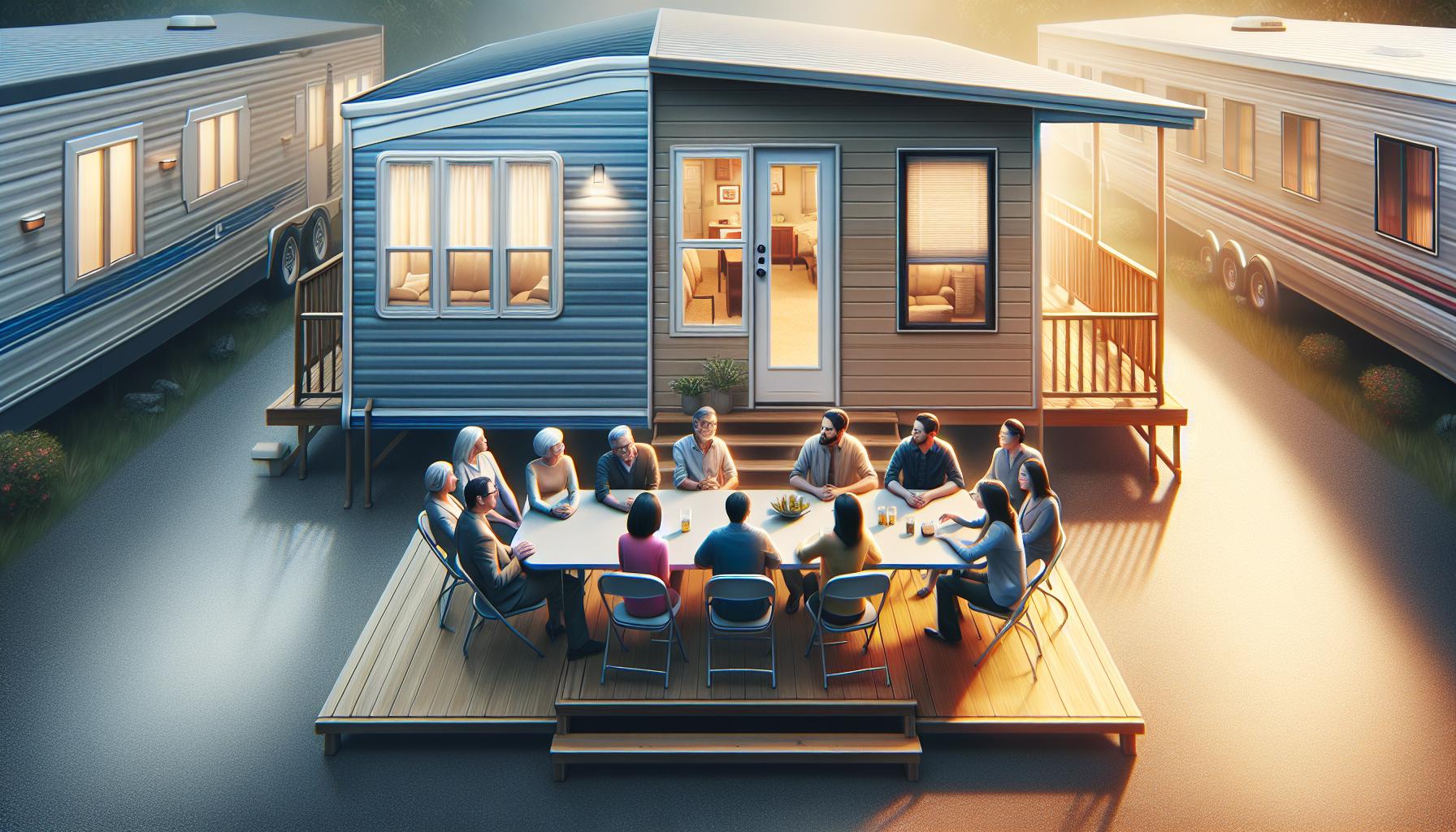
Comparing New vs. Used Trailer Homes
When considering the purchase of a trailer home, one of the most significant decisions revolves around whether to buy new or used. Each option comes with its unique advantages and concerns that can impact your overall experience and financial commitment. Generally, new trailer homes offer modern amenities, energy efficiency, and the latest designs, which can enhance your living experience but at a premium price. In contrast, used trailer homes can provide substantial savings and the charm of character, though they may require more immediate maintenance and updates.
New trailer homes typically come with warranties, ensuring peace of mind for at least a few years regarding potential issues. They are often equipped with the latest technology, energy-efficient appliances, and materials that comply with contemporary building codes. While prices for new models can vary widely-often ranging from $50,000 to over $100,000 depending on size and features-buyers should also consider financing options, which may be more accessible for newer homes.
On the other hand, the cost of used trailer homes can be significantly lower, making them an appealing option for first-time buyers or those working within a tighter budget. Prices for used models can range from $10,000 to $50,000, depending on age, condition, and location. However, potential buyers should be prepared for possible extra expenses tied to repairs or renovations. It’s essential to conduct a thorough inspection of any used home to evaluate its condition and potential additional costs.
Choosing between new and used trailer homes often boils down to individual priorities-whether you value modern conveniences and warranties or prefer cost savings and potential character in your home. If you lean towards a more economical route, a used trailer could present an opportunity for customization and renovation, allowing you to add personal touches and create a space that truly feels like home. Meanwhile, if you can invest in a new model, you will benefit from the assurance that comes with newer construction, as well as the excitement of moving into a brand-new space designed just for you.
Common Expenses Beyond Purchase Price
When purchasing a trailer home, it’s easy to focus solely on the purchase price, but understanding the ongoing costs can significantly impact your budget and lifestyle. Beyond the initial investment, several expenses require attention to ensure that your home remains comfortable, safe, and well-maintained. Awareness of these costs not only prepares you for successful ownership but also helps in making informed financial decisions.
One of the primary ongoing expenses is the lot rent or land lease, which can range from $300 to $1,500 per month, depending on the location and amenities offered by the park. This cost is often separate from any mortgage you may have on the home, so it’s crucial to include it in your budget calculations. Additionally, utilities such as water, electricity, and gas are essential for everyday living and can vary based on usage and local rates. Setting aside a monthly amount for these services can prevent surprises in your bills.
Another significant expense to consider is property insurance, which can range from $500 to $1,500 annually, depending on the home’s location and value. This insurance is essential for protecting your investment against unexpected events such as storms, theft, or accidents. Furthermore, maintenance and repairs are unavoidable; setting aside a budget for routine checks and incidental repairs-like plumbing, HVAC systems, and roofing-is wise. Regular upkeep can save you from more costly repairs down the line.
Planning for these common expenses helps create a comprehensive financial strategy that supports your lifestyle in a trailer home. By acknowledging these costs, you can ensure a smoother transition into your new living situation while enjoying all the benefits that come with trailer home life.
Financing Your Trailer Home Purchase
Financing a trailer home can often feel daunting, especially for first-time buyers. However, understanding the various options and strategies available can simplify the process and make it more accessible. Many people are surprised to learn that owning a mobile or trailer home can be a practical and affordable alternative to traditional housing, but securing financing involves specific considerations.
When looking to finance your trailer home, it’s essential to identify the type of loan that best suits your needs. Typical financing options include personal loans, bank loans, FHA loans, and specialized loans for manufactured homes. Personal loans can often be obtained without collateral but may have higher interest rates. On the other hand, FHA loans are government-backed, which often means lower down payments and favorable interest rates for eligible buyers. It’s also common to see lenders offer specific financing programs tailored to mobile and manufactured homes that can provide both flexibility and competitive rates.
In addition to determining the right type of loan, potential buyers should assess their budget comprehensively. This includes the home’s purchase price, estimated monthly payments, and any additional costs that come with ownership, such as insurance, lot rents, and maintenance. When applying for a loan, be prepared to provide financial documentation such as proof of income, credit history, and information regarding any other debts. Lenders assess these factors to determine your eligibility and the terms of your loan.
Ultimately, researching your options and preparing a thorough financial plan can significantly ease the financing process. Consider consulting with a mortgage broker who specializes in manufactured home loans; they can provide insights into various financing opportunities and help uncover any available grants or assistance programs, especially for first-time buyers. Remember, investing time in understanding your financing options is not just a step toward purchasing a home but a crucial element of achieving a stable and sustainable living environment.
Hidden Costs of Owning a Trailer Home
Owning a trailer home can often feel like an affordable choice for many, but it’s crucial to delve deeper into the financial landscape associated with this lifestyle. While the initial purchase price may be lower than traditional homes, there are hidden costs that can sneak up on unsuspecting owners. Understanding these expenses will empower you to budget effectively and maintain financial stability in your new living situation.
First, consider the ongoing expense of lot rent, which varies significantly based on location and amenities. Many trailer homes are situated in parks where owners rent the land. This rent can fluctuate, often ranging from a few hundred to over a thousand dollars per month. Additionally, utilities like water, electricity, and gas can be more expensive in a mobile home compared to site-built houses, especially if the home is not well insulated. It’s vital to inquire about average utility costs from current residents before committing.
Another often-overlooked cost is maintenance and repairs. While trailer homes are built to be modular, wear and tear can happen over time. Regular maintenance may include issues such as plumbing repairs, roof upkeep, or HVAC system checks. Setting aside a maintenance fund is prudent; budgeting 1% to 2% of the home’s value for ongoing repairs can help cushion against sudden financial demands.
Finally, insurance is a critical component of your total cost of ownership. Trailer home insurance can vary widely, depending on coverage options and personal factors like your location and the home’s value. It’s advisable to shop around for the best policy to protect your investment fully.
By being proactive and knowledgeable about these hidden costs, you’ll be better equipped to manage your finances in a trailer home, ensuring a more enjoyable and less stressful living experience.
Tips for Finding Affordable Trailer Homes
Finding an affordable trailer home can sometimes feel like a daunting task, but with the right strategies and resources, it becomes much more manageable. Start by leveraging online platforms dedicated to mobile and manufactured homes, such as local listings or dedicated real estate sites. These platforms allow you to filter by price, location, and size, letting you easily compare options that fit your budget. Look for homes that have been on the market for a while; sellers may be more open to negotiations or price reductions.
Engaging with local mobile home dealerships can also yield significant savings. Dealerships often have promotional deals and financing options that can help reduce upfront costs. Be open to considering both new and used homes. A well-maintained used trailer can provide substantial savings compared to new models, which can range considerably in price. Additionally, inquire about homes that are in need of minor repairs or upgrades; these can present an opportunity to negotiate a lower purchase price while still allowing you to create a living space that suits your style.
Networking within communities can uncover hidden gems as well. Join local social media groups focused on mobile home living, attend housing expos, or connect with current homeowners who may know of available properties. Word-of-mouth referrals often lead to opportunities that are not widely advertised. Furthermore, don’t overlook the potential for purchasing homes that are being sold as part of estate sales or by owners looking to move quickly; these opportunities can provide substantial savings.
Finally, determine your financing options early in the process. Pre-approval for a loan can give you clarity on your budget and strengthen your bargaining position with sellers. Look into local government programs that assist with housing purchases, as they may offer grants or lower-interest loans specifically for manufactured homes. Understanding the full landscape of financing possibilities will empower you to make informed decisions and seize affordable options as they arise.
Renovation Costs: Upgrading Your Trailer Home
Upgrading a trailer home can transform an outdated space into a welcoming sanctuary. However, understanding renovation costs is crucial to ensure that your budget aligns with your desired changes. From minor upgrades like fresh paint and new fixtures to more extensive remodels such as kitchen renovations or adding new rooms, each project can vary significantly in expense. For example, a simple cosmetic update may run a few hundred dollars, while major renovations could cost thousands.
Assessing Your Renovation Needs
Before diving into renovations, it’s wise to evaluate which areas of your trailer home require upgrading. Focus on the following aspects:
- Kitchen: Consider modernizing appliances, cabinetry, and countertops.
- Bathroom: Updating fixtures, tiles, or even the layout can enhance comfort and usability.
- Exterior: New siding, roofing, or landscaping can improve curb appeal and energy efficiency.
- Living spaces: Fresh paint, flooring, and lighting improvements can significantly change the atmosphere.
Each of these areas can have varying costs. For instance, updating a small kitchen might range from $2,000 to $5,000 depending on the materials chosen and whether you hire contractors or do it yourself.
DIY vs. Professional Help
Deciding between DIY renovations or hiring professionals plays a significant role in your renovation budget. While doing it yourself can save labor costs, it involves time, effort, and a level of skill. If you’re comfortable with basic renovations like painting or laying flooring, you can substantially cut costs. However, for more complex tasks like electrical work or plumbing, it’s advisable to hire licensed contractors, which will add to the overall budget but may ensure safety and compliance with local codes.
Setting a Realistic Renovation Budget
Creating a detailed budget is key to managing renovation costs effectively. When planning, include various expenses:
- Materials: Research local stores or online options for the best prices.
- Labor: If hiring help, obtain multiple quotes and check references.
- Permits: Certain renovations may require local permits, so account for those costs.
- Contingency: Always set aside a portion of your budget (typically 10-20%) for unexpected expenses.
By thoroughly assessing your renovation needs and carefully planning the corresponding budget, you can create a beautiful and functional living space that reflects your style without financial strain. Remember, thoughtful upgrades also have the potential to increase the overall value of your trailer home, making them a worthy investment in your future.
Insurance Basics for Trailer Home Owners
When considering the financial landscape of trailer home ownership, insurance plays a pivotal role in safeguarding your investment. Unlike traditional homes, trailer homes require specialized insurance policies that cater to their unique structure and mobile characteristics. Understanding these insurance basics can provide you with the peace of mind needed to enjoy your living space fully.
First and foremost, it’s essential to recognize the types of coverage available. Mobile home insurance typically includes the following components:
- Dwelling Coverage: This protects the structure of your trailer home against damages from perils such as fire, theft, or severe weather.
- Personal Property Coverage: This covers your personal belongings inside the home, like furniture and appliances, in case of theft or damage.
- Liability Coverage: If someone is injured on your property, this protects you against related lawsuits and medical costs.
- Additional Living Expenses: This provides funds for temporary housing if your trailer home becomes uninhabitable due to covered damages.
In many cases, insurance premiums for trailer homes are influenced by factors such as the age and condition of the home, its location, and additional safety features you might have installed, like smoke detectors or security systems. As a rule of thumb, obtaining multiple quotes from different providers can help you determine the best coverage at the most competitive rates.
Moreover, it’s vital to regularly assess and update your policy to reflect any changes in value and your living situation. If you make significant improvements, such as renovations or additions, informing your insurer ensures that your coverage is adequate. Lastly, understanding the policy exclusions, like certain natural disasters that are not typically covered, can help you make an informed decision on supplementary insurance options for those specific risks.
By arming yourself with knowledge about trailer home insurance, you can better protect your home and belongings, allowing you to embrace the benefits of trailer living with confidence and security.
Legal Considerations When Buying a Trailer Home
When venturing into the world of trailer homes, understanding the legal landscape is crucial for ensuring a smooth ownership experience. The paperwork might seem daunting at first, but being well-informed can save you time, hassle, and money down the line. One essential aspect is the title transfer process. Unlike traditional homes, mobile homes can have unique title requirements, and many states treat them similarly to vehicles. This means you will need to verify that the seller has clear title to the trailer and that it’s transferable. Ensure that any existing liens are cleared before finalizing your purchase.
It’s also important to check local zoning regulations and land use codes. Different areas have various restrictions that may affect where you can park or place your trailer home. In some locations, you may be required to register your trailer home with the local municipality. Familiarize yourself with these rules beforehand to avoid any legal complications or fines later.
Additionally, be aware of required inspections and permits. Depending on your state and the age of the trailer, certain inspections may be mandatory to ensure it meets health and safety standards. Understanding what these are and budgeting for any associated costs, like repairs to meet the standards, can help you plan your purchase more effectively.
Lastly, consider reviewing any park or community rules if you plan to place your trailer in a mobile home park. Many parks have specific regulations regarding aesthetics, maintenance, and even the types of modifications that are allowed. By taking these legal considerations into account, you empower yourself to make informed decisions, ultimately leading to a more successful and enjoyable trailer home investment.
Cost-Saving Tips for Trailer Home Living
Finding ways to save money while living in a trailer home can significantly enhance your overall experience and financial well-being. One of the best strategies is to take advantage of the natural energy efficiency of mobile homes. Enhancing insulation, sealing windows and doors, and using weather stripping can drastically reduce heating and cooling costs. Consider installing energy-efficient appliances, which often consume less energy and can lead to lower utility bills over time. You may also want to explore renewable energy options, such as solar panels, which, while an initial investment, can yield substantial savings in the long run by reducing or even eliminating your electricity bills.
Another effective way to cut costs is through regular maintenance, which can prevent larger, more expensive repairs down the line. Set up a routine schedule for checking and maintaining critical systems such as plumbing, electrical, and HVAC. Simple tasks like cleaning gutters, checking for leaks, or replacing air filters can prevent damage and prolong the life of your trailer. Additionally, getting involved in community forums can provide you with valuable insights about local contractors, repair services, or DIY tips that can save you money.
Utilizing your living space wisely can also lead to savings. For example, decluttering and organizing can help you make the most of small spaces, allowing for better airflow and light flow, which can create a more pleasant living environment without the need for extensive renovations. Consider multi-functional furniture if space is limited, as it can reduce the need for additional storage solutions.
Lastly, take time to investigate local resources and support systems specifically designed for mobile home residents. Many communities provide assistance with affordable housing options, utility assistance programs, or renovation grants. Engaging with local government programs or non-profits can uncover financial resources that can ease the burden of living costs associated with trailer homes. With a proactive approach to cost-saving, you can enjoy the benefits of trailer home living while minimizing financial stress.
Concluding Remarks
Now that you have a solid understanding of the costs associated with trailer homes, you’re better equipped to make an informed decision. Affordable living is just a step away, whether you’re looking for a cozy mobile home or an investment property. Don’t wait-explore your options today by checking out our comprehensive guides on financing basics and maintenance tips to enhance your experience in trailer home living.
For more insights, be sure to visit our resources on essential renovation projects and common legal considerations before making your purchase. Your journey towards a comfortable and affordable living space starts here! If you found this guide helpful, please share your thoughts in the comments and navigate through related articles to continue your exploration. We’re here to support you every step of the way in your trailer home adventure!