Are you curious about the costs associated with trailer homes? In 2025, investing in a mobile home can range significantly, making it essential to understand not just the initial purchase price but also the hidden expenses that come with it. Trailer homes offer a flexible and affordable housing solution, appealing to a wide range of buyers, from first-time homeowners to retirees seeking simplicity. However, navigating the complexities of pricing, maintenance, and associated costs can feel daunting. This complete price guide will unveil the true financial landscape of trailer home ownership, providing you with valuable insights into budgeting effectively and ensuring your dream home doesn’t turn into a financial burden. Let’s dive deep into the numbers and uncover smart strategies to maximize your investment!
How Much Do Trailer Homes Cost in 2025?
In 2025, the cost of trailer homes varies significantly based on size and style, making them an affordable housing option for many. For a single-wide mobile home, prices typically range between $60,000 and $90,000. A double-wide unit, which offers more space and amenities, can set you back around $120,000 to $160,000. For those considering a larger triple-wide home, expect costs to exceed $200,000, potentially reaching $250,000 or more. These price ranges often include delivery and basic setup, allowing buyers to make relatively easy financial plans.
Understanding the general pricing structure is just the beginning. Factors such as location, age of the home, and specific features can considerably influence the price. Newly manufactured homes may come with warranties and upgraded materials, but they also come at a premium. Additional expenses are often associated with features like energy-efficient appliances and modern furnishings. Moreover, it’s essential to account for associated costs like site preparation, utility connections, and ongoing maintenance when budgeting for your new home.
Seeking financing options? Many financial institutions offer loans specifically for manufactured homes, but the terms may differ from traditional mortgages. Interest rates can be higher, and down payments may vary widely based on your credit profile. Additionally, insurance for trailer homes typically falls between $500 and $1,500 annually, influenced by the home’s age, location, and value, so including this in your budget is vital.
When determining the total cost of ownership for a trailer home, don’t overlook utility bills, property taxes, and maintenance needs. Regular upkeep might include repairs to roofing, plumbing, or HVAC systems, which can add up over time. Exploring these several aspects of purchasing and owning a trailer home will help you navigate your investment more effectively, ensuring you find the most suitable and affordable option for your lifestyle.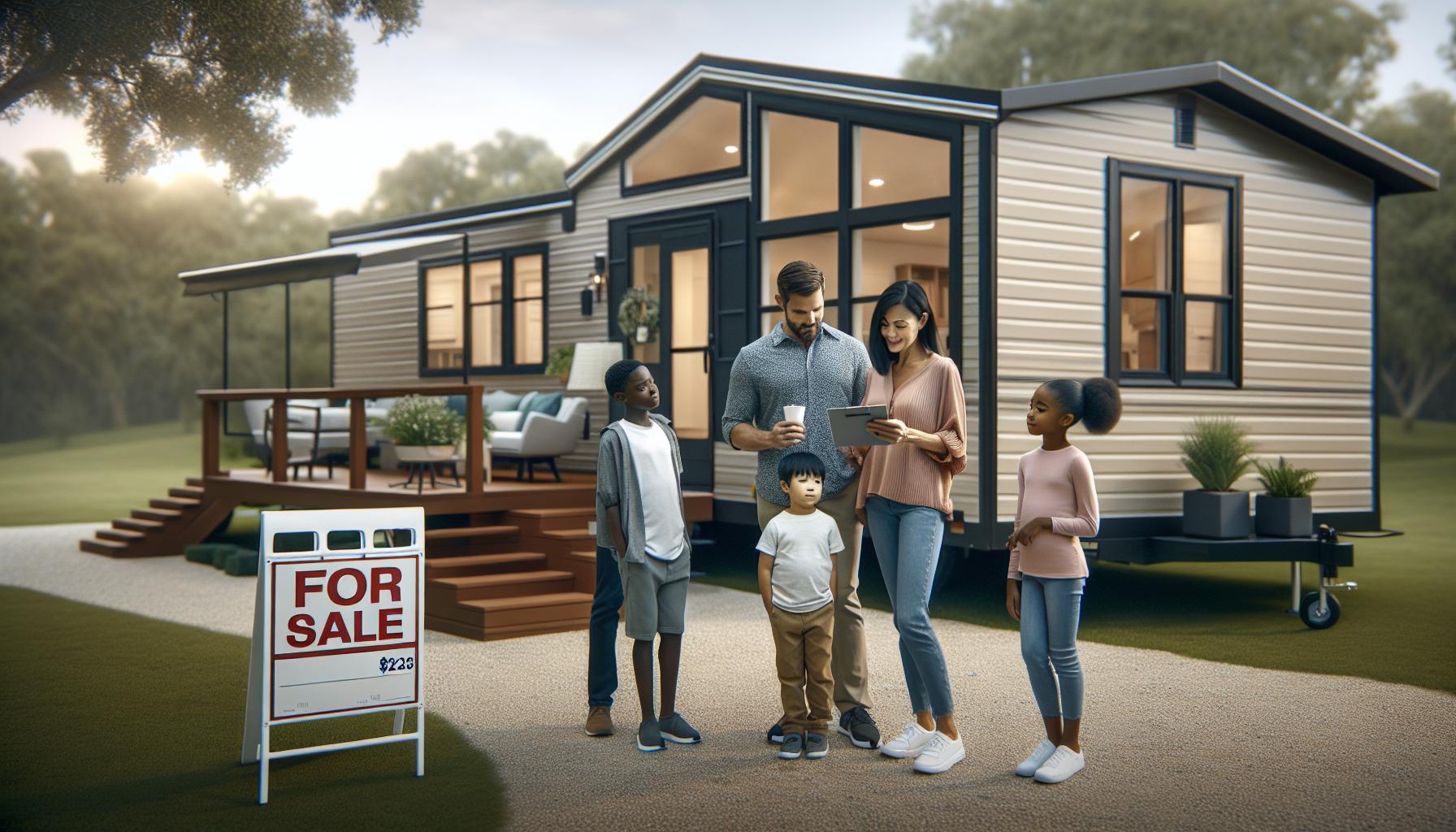
Understanding the Price Range of Trailer Homes
In today’s housing landscape, trailer homes, or mobile homes, represent one of the most cost-effective options available, appealing to a diverse range of buyers. The price spectrum for these homes is wide, with single-wide models typically priced between $60,000 and $90,000, while double-wide units fall within $120,000 to $160,000. For those considering more spacious options, triple-wide homes can exceed $200,000, with some reaching up to $250,000 or more. This flexibility in pricing allows for a variety of buyers to find a suitable option within their budget, often inclusive of delivery and basic setup costs.
While these figures provide a solid starting point, understanding the price range involves considering several factors. The location of the home plays a critical role; homes in desirable areas or those with vibrant community amenities may come at a premium. Additionally, the age and condition of the mobile home impact its market value. Newly constructed models, often equipped with modern fixtures and energy-efficient technologies, may demand higher prices, but they also promise longer-term savings on utilities and fewer initial repairs. Buyers should also explore various models and floor plans to identify the best fit for their lifestyle and financial situation.
When budgeting for a trailer home, it’s essential to consider additional costs that might not be immediately obvious. For instance, homeowners must factor in expenses such as site preparation, utility connections, and routine maintenance, which can encompass repairs to essential systems like plumbing and HVAC. By taking a holistic approach to budgeting, prospective owners can secure their investment and enjoy the many benefits of mobile home living while avoiding financial surprises down the road.
Factors Influencing Trailer Home Prices
The cost of trailer homes can vary significantly based on a multitude of factors that potential buyers should consider when planning their purchase. One of the most influential elements is location; homes situated in areas with high demand or desirable community amenities often come at a premium. For instance, a trailer in a vibrant suburban neighborhood with parks and schools may be priced higher than one in a rural or less sought-after region.
Another crucial factor is the age and condition of the trailer. Newer models, which come with modern fixtures, energy-efficient appliances, and comply with current building codes, generally command higher prices. On the other hand, older models may be more affordable but might require extensive repairs or upgrades, which can add to the overall expenditure.
The size and layout of the trailer also play vital roles. Single-wide models are typically less expensive than double-wide or triple-wide options, which offer more space and amenities. Buyers should carefully assess their needs and preferences to choose a model that balances comfort with budget constraints.
Additional aspects to consider include the choice of design features, such as custom interiors or eco-friendly options, which can drive up costs. Furthermore, market trends and economic conditions, including interest rates and housing supply, can influence trailer prices significantly. Staying informed about these variables can empower buyers to make educated decisions, ensuring they find a home that meets both their financial and lifestyle needs.
By focusing on these critical factors-location, age, size, design, and market trends-buyers can navigate the complexities of trailer home pricing more effectively and locate an option that aligns with their budget and lifestyle aspirations.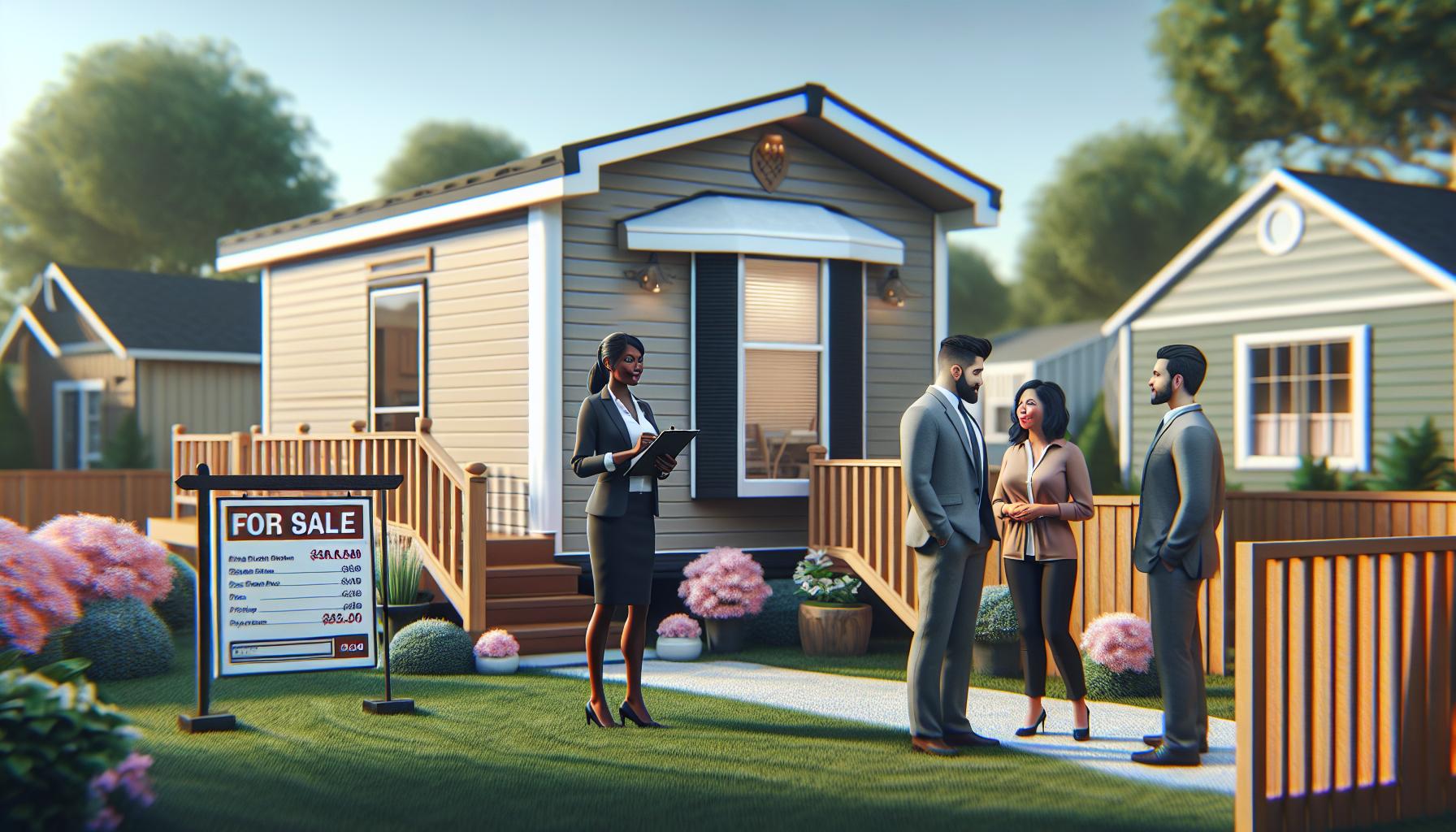
Hidden Costs of Buying a Trailer Home
Purchasing a trailer home can seem like a cost-effective alternative to traditional housing, but hidden costs can quickly add to your financial commitment. While the base price of a trailer might fit your budget, it is essential to account for additional expenses that can arise both during the purchasing process and through ongoing ownership. Understanding these hidden costs will help you prepare for a more realistic financial outlook.
One significant hidden cost to consider is transportation and installation fees. If you purchase a mobile home from a different location, you will need to factor in the cost of moving it to your desired lot, which can be substantial depending on the distance and the complexity of the move. Additionally, a professional installation is often required to ensure your trailer is set up correctly, including foundation, utilities, and other necessary services, which can also add several thousand dollars to your purchase price.
Another area where costs can propagate is through land and utility fees. If you don’t own land outright, you will need to lease or purchase a lot, which can vary widely in price based on the location. Many trailer parks charge monthly rent, and some may even have additional fees for services like maintenance, trash collection, and access to amenities. Furthermore, setting up utilities (water, electricity, sewage) can come with significant installation fees as well.
Maintenance and insurance costs are other important considerations. Though trailer homes typically require less upkeep than traditional houses, they still need regular maintenance to ensure longevity. Issues like roof repairs, plumbing, and HVAC systems can arise, so having a maintenance fund is a wise practice. Moreover, obtaining insurance for your trailer home is crucial, as it protects you from unexpected disasters. However, insurance rates can vary based on the home’s class, location, and your chosen coverage, so it’s essential to shop around to find the best policy for your needs.
Being aware of these hidden costs, such as transportation and installation fees, land and utility fees, and ongoing maintenance and insurance will help you make a more informed decision when considering a trailer home. By planning ahead and budgeting for these potential expenses, you can enjoy your trailer home experience without being caught off guard by unforeseen costs.
Financing Options for Trailer Homes
Financing a trailer home can initially seem daunting, but understanding your options can turn this dream into reality. On average, the cost of a new manufactured home can range from $50,000 to $150,000, and most buyers will rely on financing to help cover this expense. Unlike traditional homes, where mortgages are the norm, trailer homes often require different types of financing, making it vital to explore your options thoroughly.
One popular financing avenue is a personal loan. These loans are typically unsecured and can be used for purchasing a mobile home, especially if it’s not permanently affixed to land. While personal loans generally have higher interest rates than mortgages, they can be a suitable choice for those with good credit. Additionally, consider specialized lenders that specifically cater to mobile home financing. These lenders may offer loans with terms tailored to the specific nature of trailer homes, including options for both new and used homes.
Another option is a traditional mortgage, but with a twist. If the trailer is permanently affixed to a plot of land you own, you may qualify for a conventional mortgage. This can often offer lower interest rates and longer repayment terms, making it a feasible option for many buyers. Keep in mind that lenders will likely require the home to meet certain criteria, such as being built after a specific year and meeting safety standards.
For those who invest in a used trailer home or need help with down payments, government-backed loans like FHA loans can be great alternatives. These loans typically require lower credit scores and down payments, making homeownership more accessible.
Be thorough in your research and consider utilizing a mortgage calculator to estimate your monthly payments based on loan amount, interest rate, and term length; this can help you determine what fits best within your budget. Remember to also account for additional costs such as property taxes, insurance, and potential home upgrades, ensuring you maintain a realistic understanding of your financial obligations. By carefully assessing your financing options, you can make an informed decision and find a trailer home that aligns with your lifestyle and budgetary needs.
Cost of Insurance for Trailer Homes
When it comes to owning a trailer home, understanding the dynamics of insurance can significantly impact your overall budget. On average, the cost of insurance for a mobile or manufactured home can range from $300 to $1,000 annually, depending on various factors such as location, age of the home, and coverage options. This investment not only protects your home and belongings from unexpected events-like fire or theft-but also provides peace of mind as you navigate the unique lifestyle of trailer home living.
Factors Influencing Insurance Costs
Several elements can affect the premium rates for trailer home insurance. These include:
- Location: Homes situated in areas prone to natural disasters, such as floods or hurricanes, typically incur higher premiums.
- Home Age and Condition: Older models or those needing significant repairs might attract higher costs.
- Coverage Level: More comprehensive plans, including liability coverage and personal property protection, will obviously cost more.
- Community or Park Rules: Some mobile home parks may have specific insurance requirements that can influence your policy options and price.
Comparing policies from different providers can help identify the most suitable insurance plan for your financial situation. Insurers like Assurant and Foremost offer specialized coverage for mobile homes, which caters to the distinct needs of trailer homeowners.
Understanding Coverage Types
It’s crucial to understand the different types of coverage available:
- Physical Damage Coverage: This covers damage to your trailer itself caused by disasters.
- Liability Coverage: Protects you from legal responsibilities if someone is injured on your property.
- Contents Coverage: Offers financial protection for personal belongings, ensuring you can recover in the event of a loss.
By carefully assessing these options, you can tailor your insurance policy to fit both your specific needs and budget. Moreover, staying informed about these costs will help you better prepare your finances when investing in a trailer home, ensuring that unexpected expenses won’t derail your experience of this alternative living option.
Maintenance Expenses for Trailer Homes
Owning a trailer home offers a unique lifestyle that can be both fulfilling and cost-effective, but it does come with its share of maintenance expenses. Maintaining a trailer home is generally less demanding than traditional homes, yet it still requires consistent attention to ensure longevity and comfort. Regular upkeep not only safeguards your investment but also contributes to an enjoyable living experience.
Routine maintenance typically includes tasks such as checking the roof for leaks, inspecting plumbing for leaks or clogs, and ensuring that appliances are functioning properly. Homeowners should also keep an eye on the heating and cooling systems, as trailer homes can be more susceptible to temperature fluctuations. Generally, you can anticipate spending anywhere from $200 to $600 per year for routine maintenance, depending on your home’s condition and size.
Common Maintenance Tasks
Here’s a quick checklist of common maintenance tasks for trailer homes to help you stay organized:
- Inspect the roof twice a year for damage or leaks.
- Clean gutters and downspouts to prevent water damage.
- Check the undercarriage for any signs of rust or damage.
- Inspect and replace air filters in heating and cooling systems.
- Test smoke detectors and carbon monoxide detectors regularly.
In addition to routine tasks, it’s wise to budget for repairs that may arise. The average cost for minor repairs like fixing plumbing leaks or adjusting doors can range from $100 to $300 per incident. More extensive repairs, such as replacing floors or significant structural work, can be significantly higher.
Being proactive about maintenance can help avoid bigger expenses down the line. Consider setting aside a maintenance fund every month to cover these costs. This approach allows you to handle unexpected repairs without financial strain and ensures that your trailer home remains a safe and comfortable place to live. By staying organized and maintaining an ongoing schedule, you can enjoy all the benefits of your alternative housing choice while minimizing the risks associated with neglect.
Resale Value of Trailer Homes: What to Expect
The resale value of trailer homes can be a crucial consideration for potential buyers and current owners alike. Generally, trailer homes depreciate similarly to vehicles rather than traditional homes. This depreciation means that, while the initial purchase price might be low, the resale value can decline over time, making it vital to understand the factors that influence this process. However, there are circumstances under which the value may appreciate, particularly if the home is well-maintained and located in a desirable area.
Several factors play a significant role in determining the resale value of a trailer home, including its age, condition, and location. Newer models equipped with modern amenities and energy-efficient features tend to hold their value better than older counterparts. Additionally, maintenance history is essential; a well-maintained trailer with comprehensive documentation may attract potential buyers more than one in poor condition. Moreover, location is a critical aspect; trailer homes situated in communities with good schools, access to amenities, or favorable zoning regulations may fetch higher prices.
It’s also important to be aware of the community or park regulations that apply to trailer homes. Some parks promote a strict enforcement of rules regarding exterior appearance, upkeep, and renovations, which can affect resale value. Buyers are often attracted to listings in well-managed parks where the environment is clean and aesthetically appealing. Therefore, any modifications or upgrades made to enhance your trailer’s appeal can contribute positively to its resale value.
Consider setting a long-term strategic plan for your trailer home. If you intend to sell in the future, develop a habit of regular maintenance and improvements. This approach not only makes living in the home more enjoyable but also positions the property favorably in the resale market. By focusing on keeping the home in good condition, enhancing curb appeal, and understanding market trends, you can significantly boost your trailer home’s resale value, ensuring a worthwhile investment for the long term.
Upgrades and Renovations: Budget Considerations
Upgrading and renovating your trailer home can breathe new life into your living space and potentially increase its value. However, it is essential to approach these improvements with careful budgeting and planning to ensure that you enhance your home without overspending. Many trailer homeowners find that investing in specific upgrades not only makes their living environment more enjoyable but also addresses functionality and efficiency that may have been lacking in older models.
When considering upgrades, prioritize areas that can significantly enhance comfort and utility. For instance, upgrading appliances to energy-efficient models can lead to substantial savings on utility bills over time. Here are some common renovation projects with budget considerations:
- Kitchen Remodels: Replacing countertops, cabinets, and fixtures can range from $1,500 to $10,000, depending on the extent of the changes.
- Bathroom Improvements: Simple updates like new faucets or a fresh coat of paint can be done for a few hundred dollars, while a full remodel might cost between $5,000 and $15,000.
- Flooring Upgrades: Modern laminate or vinyl flooring can be both stylish and affordable, ranging from $2 to $5 per square foot.
- Insulation Enhancements: Adding insulation can be a wise investment, costing anywhere from $0.50 to $2 per square foot, mitigating high heating and cooling costs.
Before embarking on any renovations, create a clear budget that accounts for both materials and labor. Always overestimate your budget to cushion against unexpected expenses. It’s also wise to seek multiple quotes for any professional work to ensure you get a fair deal. For DIY enthusiasts, take advantage of online resources and communities that offer step-by-step guides on various renovation projects tailored specifically for trailer homes.
When engaging in renovations, consider the potential return on investment. Some upgrades may yield higher resale value than others; for instance, enhancing curb appeal through exterior improvements typically pays off more than internal updates. Remember, the key is to balance your desire for an improved living space with fiscal prudence, ensuring that each dollar spent translates into both immediate enjoyment and future value. By thoughtfully planning your upgrades and renovations, you can create a home that’s not only functional but also reflects your personal taste and lifestyle.
Legal and Zoning Fees for Trailer Homes
Navigating the legal landscape surrounding trailer home ownership can be a crucial, yet often overlooked, aspect of the purchasing process. Various legal and zoning fees can significantly impact your budget and planning. Before buying a trailer home, it’s essential to understand the local laws that dictate where and how you can place your home. Depending on your location, moving a mobile home might require permits that can range from $500 to $2,000. This expense is often necessary to ensure that the home meets local building codes and safety regulations.
When purchasing a trailer home, you may also need to consider property zoning fees. These fees relate to the land on which your home will reside and can vary widely based on area designations, such as residential or commercial zones. It’s vital to research the zoning requirements in your desired location, as violations can lead to fines or even forced removal of your trailer home. Engaging with local zoning offices before making a purchase can offer clarity on the path forward and help you anticipate potential fees.
Additionally, if you are planning to place your trailer home in a manufactured home community, it’s important to review the community’s rules and additional fees. Many communities have specific regulations concerning the installation and maintenance of homes, which can include fees for common area usage, landscaping, and upkeep. Understanding these fees upfront will help you make an informed decision about your investment and ongoing costs.
Taking the time to educate yourself about the legal and zoning requirements of trailer homes will empower you to make smoother transitions and smarter choices as a homeowner. Safety and compliance with local regulations not only provide peace of mind but also help enhance the long-term value of your investment.
Tips for Finding Affordable Trailer Homes
Finding an affordable trailer home can feel daunting, especially given the myriad options available in today’s market. However, with the right approach, you can uncover some great opportunities that align with your budget. Start by broadening your search beyond traditional listings. Websites that specialize in mobile homes and trailers often have dedicated sections for affordable options that might not show up in general real estate searches. Additionally, consider checking local classifieds or community boards, as individuals looking to sell directly may offer lower prices than dealerships or brokers.
When it comes to financing, keep an eye on special promotions or financing plans offered by dealers, which can make purchasing more manageable. Many dealerships provide financing options that can include lower down payments or favorable interest rates for qualified buyers. Another essential factor is timing-trailer home prices can fluctuate based on market demand. Consider shopping during off-peak seasons or when new models are released, as this often leads to discounts on existing inventory.
Exploring Various Markets
Don’t limit your search to one location; sometimes neighboring towns or rural areas offer significantly lower prices compared to urban settings. Expanding your search radius can reveal hidden gems that fit your budget perfectly. Online platforms that list used trailers can also give you insights into pricing trends, helping you find a home that represents good value.
Adopting a flexible mindset about the size and style of your trailer home can also be beneficial. Prioritize essential features and be willing to compromise on aesthetics or additional space. A slightly older model or one that requires minor renovations may come at a reduced price and offer you the opportunity to gain equity through improvements.
Remember, thorough research and strategic planning are key to finding an affordable trailer home that suits your needs and lifestyle. By leveraging various resources, remaining flexible, and being open to potential renovations, you can navigate the market more effectively and find a home that feels just right.
Comparing Trailer Homes to Traditional Housing Costs
Purchasing a trailer home often comes with notable financial advantages compared to traditional housing options, making it an appealing choice for many homeowners. The cost of a single-wide trailer generally ranges from $60,000 to $90,000, while double-wide models typically run between $120,000 and $160,000 for new purchases, inclusive of transport and assembly costs [3]. In contrast, the average price of a new single-family home in the U.S. can exceed $400,000, highlighting a significant cost gap that can be a game-changer for prospective buyers.
Apart from the initial purchase price, ongoing expenses associated with trailer homes tend to be lower as well. For instance, utility costs can be more manageable due to the smaller square footage compared to traditional homes. Maintenance expenses often reflect the simpler designs of trailers, requiring fewer repairs and less upkeep than a conventional property. For instance, basic maintenance tasks like checking seals, cleaning gutters, or repainting are generally straightforward and inexpensive. Homeowners can often complete these tasks themselves, which reduces reliance on contractors and keeps costs down.
However, it’s essential to consider factors such as land lease fees in some trailer parks, which can add up to $300 to $1,000 monthly, depending on the location and amenities of the community. Traditional homeowners, on the other hand, incur property taxes, which can be considerably higher and are based on the full market value of the property. For those weighing their options, understanding these financial dynamics is crucial to making an informed decision. By comparing these costs effectively, future homeowners can assess the viability of living in a trailer home versus a traditional property, making it easier to choose the best option for their budget and lifestyle.
In Conclusion
As you explore the ins and outs of trailer homes, remember that understanding the costs and hidden factors can make a significant difference in your purchasing decision. Armed with insights from our “2025 Complete Price Guide & Hidden Costs,” you’re now better equipped to choose the right affordable housing option for you and your family. If you’re still grappling with questions on financing or maintenance tips, be sure to check out our comprehensive guides on home care and financing basics, which can help simplify the process even further.
Now is the perfect time to take action-explore our listings for mobile and manufactured homes or sign up for our newsletter to stay abreast of the latest insights and offers. Your journey toward finding the ideal trailer home starts with informed choices, and we’re here to support you every step of the way. Don’t hesitate to leave a comment below if you have questions or to share your experiences; your input not only helps others but cultivates a vibrant community around trailer and mobile home living. Dive deeper into your homeownership adventure today!