Did you know that the Vehicle Identification Number (VIN) on your trailer home is crucial for tracking ownership and understanding your home’s history? Whether you’re buying, selling, or simply managing your mobile home, locating the VIN is essential for registration and maintenance records. Unfortunately, many owners overlook this key detail. In this quick guide, we’ll walk you through the various locations where you can find your VIN, ensuring you have all the necessary information at your fingertips. Understanding how to easily locate your trailer home’s VIN not only empowers you as a homeowner but also helps you take control of your living situation, making maintenance, repairs, and even resale smoother and more straightforward. Keep reading to discover where to look and why it matters!
Where to Find the VIN on Your Trailer Home
Finding the VIN (Vehicle Identification Number) on your trailer home is crucial for registration, insurance, and ownership verification. The VIN serves as a unique identifier that connects your home to important historical and legal records. When purchasing or maintaining a trailer, knowing where to locate this number can save both time and hassle.
Start your search for the VIN at the data plate, which is usually found on the interior of the home. This plate often resides in a common area, such as the kitchen, living room, or near the main entrance. On newer models, the data plate is typically affixed to a wall. In older trailers, look for it near the electrical panel or in a storage area.
If the data plate is missing or difficult to locate, the VIN may also be stamped directly onto the trailer’s steel frame. It’s often visible near the front of the trailer, concealed by rust or dirt, so make sure to look closely. Another location to check is the exterior of the front end wall of the trailer, where it might be displayed on a metal tag or etched directly into the structure. If you’re struggling to find it, don’t hesitate to seek help from a professional who specializes in mobile homes or trailers; they can assist in locating the VIN.
Understanding the Importance of the VIN Number
The Vehicle Identification Number (VIN) is often regarded as the fingerprint of your trailer home. It is a unique identifier that conveys essential information about the specific trailer, such as its manufacturer, year of production, place of manufacture, and model specifics. Understanding its importance is crucial for any owner, whether you’re a seasoned resident or new to trailer living. When registering your trailer, obtaining insurance, or even selling the home, you’ll be required to present the VIN. This number plays a pivotal role in confirming ownership, tracking historical records, and ensuring that you are not unwittingly dealing in stolen property.
Moreover, the VIN is instrumental for maintenance and repair purposes. Many manufacturers reference VINs to track recalls, service history, and replacement parts tailored for your model. With this number, service professionals can easily identify specific components that might need attention or replacement. Additionally, in the unfortunate event of theft or damage, a valid VIN allows law enforcement to quickly verify ownership and recover your property, enhancing your security as a trailer home owner.
In a practical sense, it’s not just about compliance; it’s about peace of mind. Having easy access to your VIN means you’re equipped to handle various scenarios that can arise in trailer home ownership, from legal matters to repairs. It empowers you with the knowledge and assurance that you’re maintaining your property responsibly and legally, making your trailer living experience not only manageable but also enjoyable.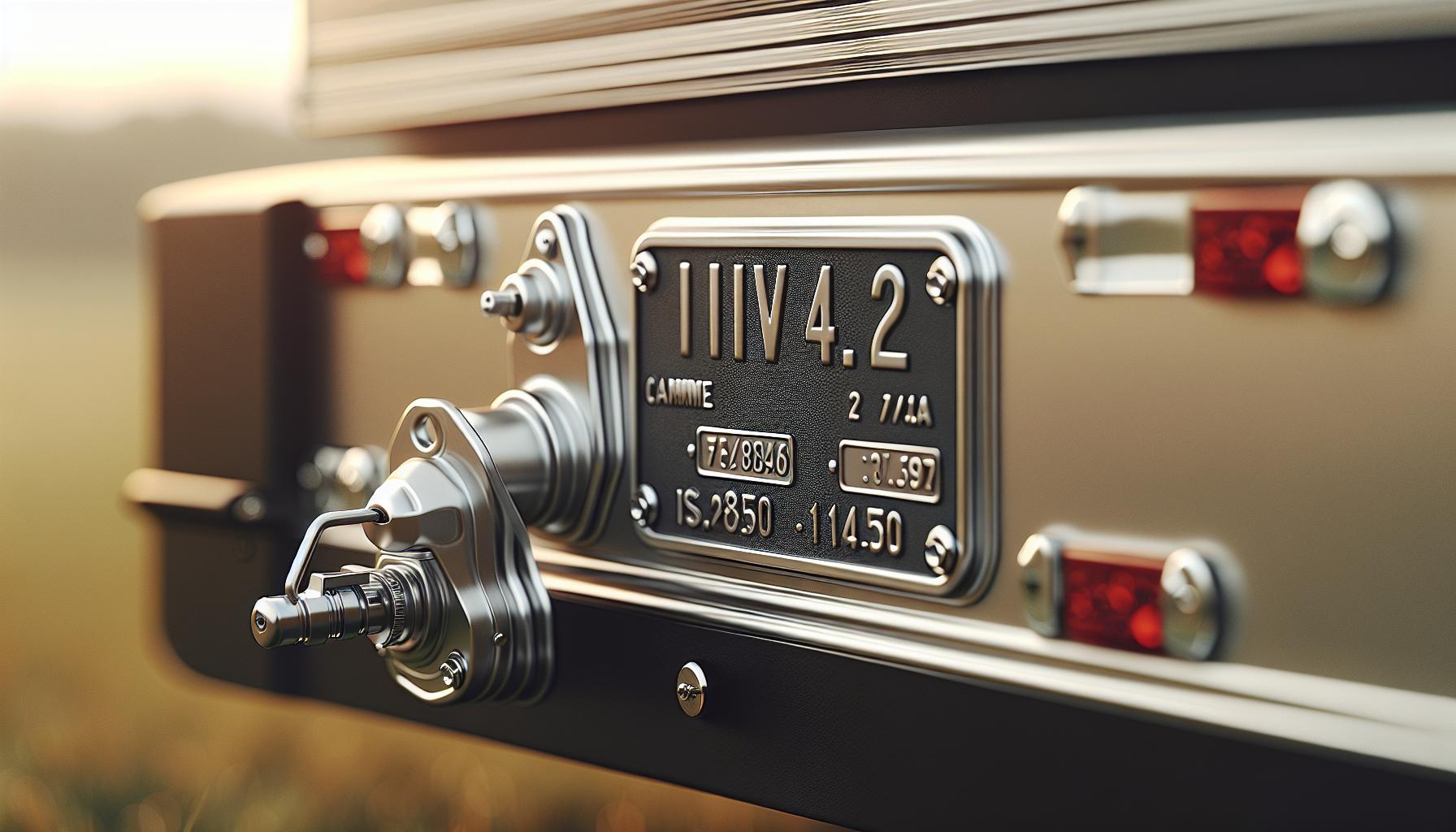
Common Locations for VIN Numbers on Trailers
Finding the VIN on your trailer home is more than just a matter of compliance; it’s essential for ensuring proper registration, maintenance, and security. Typically, the VIN is located in several standard locations that you can easily inspect. Knowing these common spots can save you time and ensure that you have accurate information at hand when needed.
Start by checking the front left corner of the trailer’s interior, just behind the front window. This is often a primary location for the VIN label, making it easily accessible when you are inside the unit. Additionally, look for the VIN in the area where the hitch connects to the trailer, typically found on the A-frame or the frame rail itself.
Another common spot is the driver’s side door frame or the door itself, where a sticker may provide not just the VIN but also other essential data such as weight limits and tire specifications. You might also find the VIN near the rear of the trailer on the left side, either on the frame or in the storage compartment.
Tips for Locating the VIN:
- Use a flashlight to improve visibility, especially in tight or dark spaces.
- Clean any dirt or grime covering the area where you expect to find the VIN.
- If you have difficulty finding it, refer to the owner’s manual for specific guidance related to your trailer model.
If you’re still unable to locate the VIN, consider contacting the manufacturer or the dealer for assistance, as they can provide exact details based on the trailer’s construction and model.
How to Read Your Trailer Home’s VIN
Understanding your trailer home’s Vehicle Identification Number (VIN) is essential for registration, insurance, and potential resale. The VIN is a unique 17-character code that serves as the fingerprint of your trailer home, offering a wealth of information about its make, model, and specifications. By learning how to read this code, you can ensure that you have all the necessary details for your trailer at your fingertips.
The VIN is divided into sections that correspond to specific information about your trailer. The first three characters represent the World Manufacturer Identifier (WMI), identifying the manufacturer and the country of origin. The next five characters provide details about the trailer’s specific attributes, such as vehicle type, body style, and engine type. Following this segment, characters 9 and 10 denote security features and model year, respectively, while the last six characters serve as a unique serial number identifying your specific unit.
To decode your VIN, you can refer to a VIN decoding tool or a VIN decoder guide available online. These resources provide an easy way to interpret the characters in your VIN and understand what each section represents. Additionally, the owner’s manual for your trailer may include a detailed explanation of how to read the VIN unique to your model.
When examining your VIN, it’s important to ensure that it matches the information on your registration and insurance documents. Discrepancies can lead to legal challenges, especially when it comes time for resale or if a warranty issue arises. If you ever suspect that your VIN may be altered or tampered with, it’s crucial to seek professional assistance to resolve any issues promptly.
By taking the time to know your trailer home’s VIN and understanding how to read it, you’re empowering yourself with the knowledge that can enhance your ownership experience and protect your investment. Whether you’re dealing with maintenance issues, insurance claims, or recreational travels, knowing your VIN is an indispensable part of responsible trailer home ownership.
What to Do If the VIN Is Missing
In the event that your trailer home’s VIN is missing, it’s crucial to address the situation promptly to ensure you’re compliant with legal requirements and can access necessary services like insurance and registration. The absence of a VIN can be concerning, but there are a series of steps you can take to resolve this issue effectively.
First, thoroughly search your trailer for any signs of the VIN. Apart from the common locations such as the front left corner of the trailer’s exterior or on the tongue, check for stamped numbers on the chassis itself or other hidden areas that may not be immediately visible. Sometimes, VINs can be found in less obvious places or may be obscured by dirt or paint.
If your search yields no results, contact your trailer’s manufacturer or dealer. They often keep records based on the make, model, and other identifying features of the trailer you own. You may be required to provide proof of purchase or other documentation when reaching out. This information can aid in generating a replacement VIN or a verification that a VIN was previously assigned to your trailer.
In cases where the trailer is older or was manufactured by a small company that may not have complete records, you can file a report with the Department of Motor Vehicles (DMV) or similar local agency. They may instruct you on how to apply for a new VIN. Be prepared to present any proof of ownership documents, photographs, or even details about the trailer, such as its dimensions and any identifiable features, as this will facilitate the process.
Lastly, if your VIN is lost due to theft or vandalism, it’s essential to report this to local law enforcement. Having a police report can help safeguard your interests in future ownership scenarios and assists with any claims you may need to make against your insurance.
Taking these steps will ensure that you manage the situation efficiently, allowing you to regain peace of mind regarding your trailer home’s identification and legal compliance.
Important Legal Considerations for VINs
Understanding the legal aspects of your trailer home’s VIN (Vehicle Identification Number) is essential, not just for compliance but also for ensuring you have smooth ownership experiences. The VIN is not merely a sequence of alphanumeric characters; it plays a pivotal role in the identification, registration, and potential resale of your trailer. Legal regulations can vary by state, so it’s important to familiarize yourself with local requirements regarding VIN assignment, visibility, and documentation.
Firstly, having a correctly assigned VIN is critical for registering your trailer. Without it, you could face difficulties when attempting to obtain plates or insurance. Registrations often require proof of the VIN, which may involve documentation proving purchase or ownership. Some states might have specific requirements for the visibility of the VIN; it must be placed in a designated area, often near the front of the trailer, and easily accessible for inspection. Neglecting these details can lead to complications, such as fines or challenges during vehicle inspections.
In case of discrepancies or if the VIN is missing, the legal framework allows you to apply for a replacement or a new VIN through your local Department of Motor Vehicles (DMV) or similar agency. You may need to provide specific documentation, such as proof of ownership and photographs of your trailer, and in some cases, undergo an inspection. Reporting the theft of a trailer, along with its VIN, to law enforcement can also help protect your interests and simplify recovery processes if your trailer is stolen or involved in a legal dispute.
It’s essential to maintain accurate documentation for your trailer home. This includes keeping records of purchases, maintenance logs, and any modifications made. Such practices not only comply with legal requirements but also enhance the value of your trailer if you ever decide to sell it. Awareness of these legal considerations can empower you to manage your trailer ownership effectively, ensuring peace of mind as you enjoy your alternative housing experience.
How to Verify Your Trailer Home’s VIN
Verifying your trailer home’s VIN (Vehicle Identification Number) is crucial for ensuring that all identifying information about your home is accurate and legitimate. This number not only assists in securing registration and insurance but also plays a significant role in maintaining your trailer’s value and clarifying ownership status.
To start the verification process, locate your trailer’s VIN, which is typically embossed on a metal plate. This plate can often be found on the front frame of the trailer, near the hitch, or inside a cabinet, depending on the model and year. Once you have the VIN, cross-reference it with the documentation you possess, such as the title, registration papers, or any previous sales records. If discrepancies arise in the documentation, you must take prompt steps to resolve them; discrepancies can lead to complications when registering your trailer or seeking insurance.
Next, consider utilizing online resources or contacting your local DMV to further verify the VIN against their records. Many states offer VIN lookup services that provide a history of the trailer, including any registered owners, accidents, or liens. This is particularly important if you are considering purchasing a used trailer home. Make sure that the VIN on the trailer matches what is in state records to avoid any potential fraud.
In addition to these methods, keeping a detailed maintenance and repair log can help maintain a clear record of the trailer’s history, which is beneficial not only for verifying the VIN but for prospective buyers if you decide to sell. By ensuring the integrity and accuracy of your trailer home’s VIN, you can confidently navigate ownership responsibilities, legalities, and enhance your overall trailer living experience.
Maintaining Proper Documentation for Your Trailer
Maintaining accurate documentation for your trailer not only simplifies daily management but also enhances its value over time. Many trailer homeowners overlook the significance of keeping organized records, which can lead to unnecessary stress, especially during legal or sales processes. A well-maintained document trail can provide peace of mind, ensuring that you have all necessary information at your fingertips when needed.
To start, it’s essential to compile a comprehensive file that includes critical documents such as the trailer’s title, registration, and any bills of sale. This file should also house important maintenance records, including receipts for repairs or upgrades. Tracking these details not only keeps your trailer in optimal condition but also establishes a clear history that potential buyers will appreciate when it’s time to sell. Digital copies of these documents can be enormously helpful, as they allow for easy access and sharing. Consider using a cloud service or a dedicated app to organize and back up your records.
Additionally, you should regularly review and update this file with new information, such as inspections or modifications. If you do any renovations or maintenance work, ensure that the details are logged meticulously, paired with any relevant receipts or warranty information. This practice not only aids in maintaining your trailer but can also prove advantageous when discussing insurance claims or verifying the maintenance history for prospective buyers.
Finally, don’t forget about any legal implications that may arise from missing documentation. Keeping a proactive stance on your paperwork will serve you well in creating an accessible, clear, and comprehensive record of your trailer’s history and ownership. With every document neatly filed and updated, you’ll be well-prepared to handle any situation confidently and efficiently, making your trailer home living experience much smoother.
Frequently Overlooked Trailer Registration Tips
When it comes to navigating the world of trailer home registration, there are plenty of overlooked details that can make a significant difference in your experience. Understanding these nuances will not only ease the process of ownership but also enhance your overall peace of mind. For example, did you know that the VIN number is crucial for both registration and insurance purposes? Keeping track of this number, along with other important documents, can save you headaches down the road.
One common pitfall many trailer homeowners encounter is not verifying their trailer’s VIN ahead of time. This unique number is essential for registration with your local DMV and can often be found in multiple locations, such as the front left corner of the trailer or on the tongue. Always cross-reference the VIN on your registration documents with what’s physically on your trailer to ensure consistency. Any discrepancies can lead to legal complications, so take the time to double-check in advance.
Another important aspect is to familiarize yourself with state-specific requirements. While most states require basic information like the trailer’s make, model, and VIN, some may have additional stipulations, such as emissions testing or proof of ownership documentation. It’s prudent to consult your local DMV’s website or office to gather any specific forms or procedural steps you might need to follow to avoid delays and last-minute scrambles.
Lastly, don’t forget the importance of timely renewals. Many trailer homeowners underestimate how quickly registration deadlines can sneak up on them. Set reminders for yourself well in advance so that you have ample time to collect any necessary paperwork. Maintain organized records of past registrations, insurance documents, and maintenance receipts as a safeguard against potential issues. Keeping everything tidy and accessible will make your registration process not just smoother, but also a lot less stressful.
Differences Between VINs on Trailers and RVs
While both trailers and recreational vehicles (RVs) are popular choices for mobile living and travel, their Vehicle Identification Numbers (VINs) play distinct roles that are shaped by their design and regulatory requirements. Understanding these differences can be crucial for owners looking to manage their legal obligations and maintain their vehicles effectively.
One primary difference lies in the structure and purpose of the VIN. Trailers, generally classified as non-motorized vehicles, often feature a simplified VIN format that reflects their specific manufacturing characteristics. In contrast, RVs, which incorporate a motorized element, have a more complex VIN that includes additional details about the engine specifications and vehicle class. This distinction can be significant, especially when it comes to registration, insurance, and road safety regulations.
Another important consideration is the location where the VIN is displayed. For trailers, the VIN is typically located on the tongue or frame and is sometimes a part of a sticker that provides other identifying information as well. RVs, however, may have their VIN displayed both on the exterior of the vehicle and on internal documentation, making it a little more accessible. Moreover, as RVs are subject to different safety standards and emissions regulations, their VINs are closely monitored by state and federal agencies. Owners should familiarize themselves with where to find the VIN on both trailers and RVs to ensure compliance and facilitate easier registrations.
When it comes to legal matters, the implications of VIN discrepancies can also differ significantly. Misreporting or failing to update a VIN on a trailer might lead to administrative complications or difficulties in selling the vehicle. For RVs, however, discrepancies can affect warranties and insurance policies due to their more intricate regulatory landscape. Owners should take care to verify that the VIN on the vehicle matches all relevant paperwork to avoid complications, especially when transferring ownership or during inspections.
In summary, understanding the differences between VINs for trailers and RVs not only helps owners maintain compliance but also enhances safety and insurance efficacy. By knowing what to look for and how these numbers work, owners can navigate the realm of mobile living with greater confidence and peace of mind.
Helpful Tools for Locating Your VIN Number
Locating the Vehicle Identification Number (VIN) on your trailer home can significantly ease the process of registration, maintenance, and compliance with legal standards. Fortunately, there are several tools and strategies that can help you find this important identifier quickly and efficiently.
First, having a trusty flashlight can go a long way. Inspect the trailer’s frame and tongue during daylight or use the flashlight at night to illuminate dark spots that may obscure the VIN. It’s common for the VIN to be displayed on a metal plate or label attached to the structure, so a clear view is essential in identifying it. You can also check inside the trailer; many manufacturers place the VIN on the interior walls, often near doors or windows.
In addition to physical searching, there are digital resources available to assist in locating your VIN. Websites dedicated to VIN services allow you to input details based on your model and make, potentially guiding you to the exact location of your VIN. Using the official NHTSA VIN decoder can provide comprehensive information about your trailer and may give clues about where to find the VIN on your specific model. If available, consult the owner’s manual, as it typically includes a section that details where the VIN is located.
Lastly, don’t underestimate the power of community support. Online forums and social media groups focused on trailer living can be invaluable. Fellow trailer owners often share insights and tips on where to find the VIN for various models. If you’re still having trouble, consider reaching out to the manufacturer or contacting a local trailer dealership for assistance.
By utilizing these tools and resources, you can efficiently locate the VIN on your trailer home, ensuring that you have all the necessary information for registration and compliance while enjoying the freedom of mobile living.
FAQs About Trailer Home VINs and Registration
Understanding the ins and outs of your trailer home’s Vehicle Identification Number (VIN) is crucial not just for registration, but also for maintenance and resale purposes. If you’re wondering why your VIN is important, it acts like a fingerprint for your trailer, providing unique identification that links to vital information such as the manufacturer, year of manufacture, and safety features.
Common Questions About VINs
One frequent question involves where to find the VIN on different trailer models. The VIN is often located on a label affixed to the frame, tongue, or even hidden within the interior walls of the trailer. If you can’t spot it on your own, tools like VIN decoder websites can provide you with specific locations based on your trailer’s make and model.
Another common inquiry pertains to what to do when the VIN is missing. In cases where the VIN tag has been removed or is illegible, you may need to reach out to the manufacturer for assistance or consult with local authorities or a trustworthy trailer dealer. This process can sometimes include a verification procedure to establish the trailer’s identity legally.
Legal Requirements and Registrations
When it comes to registration, your local Department of Motor Vehicles (DMV) may have specific requirements for trailer VINs, including proof of ownership and documentation that validates the VIN. It’s wise to familiarize yourself with these requirements to avoid complications during registration or future sales.
Lastly, maintaining proper documentation is key. Always keep copies of registration paperwork, any correspondence regarding VIN inquiries, and records of modifications made to the trailer. This can be beneficial in the event of a sale or during a dispute regarding your trailer’s identity.
In navigating the world of trailer home ownership, understanding your VIN and related registration details can empower you to maintain your home while avoiding potential pitfalls. Whether you’re a seasoned owner or new to trailer living, staying informed is essential to enhancing your experience.
Closing Remarks
Now that you know how to locate the VIN number on your trailer home, you’re equipped to ensure you have the necessary information for registration, maintenance, and resale. Remember, knowing your VIN isn’t just a formality-it’s essential for security and compliance. If you have more questions or need further guidance, explore our detailed articles on common maintenance tips and how to improve your trailer home’s value. Don’t miss our step-by-step guides on renovation projects that can transform your living space!
Take action today by checking out our resources to enhance your trailer home experience. Whether you’re considering upgrades or simply want to gain more knowledge about maintenance, we have everything you need. Share your experiences or questions in the comments below, and be sure to subscribe to our newsletter for the latest tips and insights. Your journey to becoming a more informed trailer home owner begins now-dive deeper into our content and unlock the full potential of your mobile living!