Navigating the world of financing a trailer home can often feel overwhelming, but it’s an important step toward achieving affordable, mobile living. Did you know that trailer homes can provide a cost-effective solution for families looking for flexibility and community? Whether you’re dreaming of simplified living or seeking a permanent residence at a lower price, understanding the loan options available is essential. This guide will illuminate various financing solutions, helping you navigate funding sources, loan types, and essential considerations. By uncovering the path to securing a loan, you can take a significant step towards realizing your goal of homeownership. Let’s dive in and explore how you can turn that dream of owning a trailer home into a reality!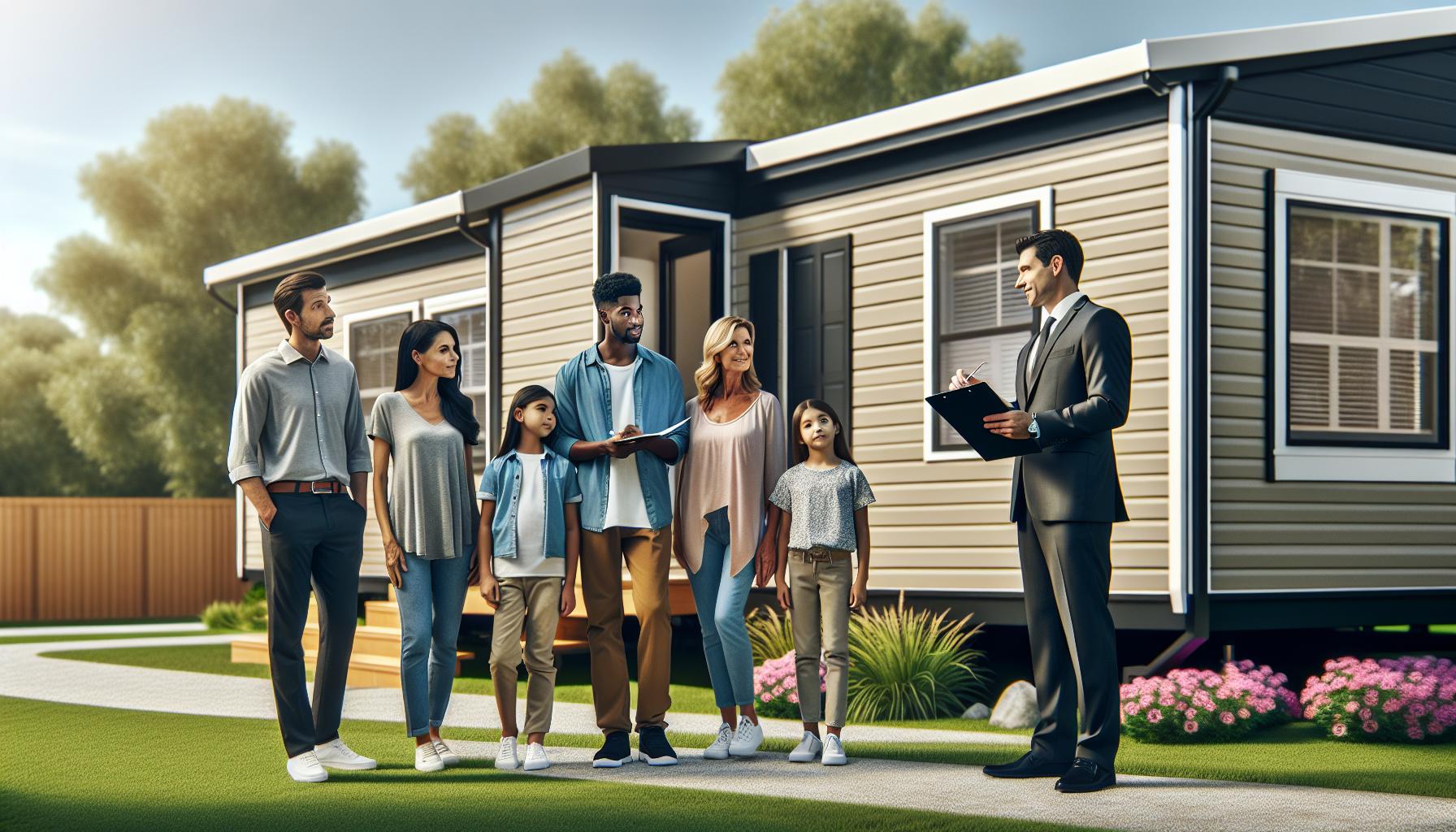
Understanding Trailer Home Loans: A Comprehensive Overview
Purchasing a trailer home can be an excellent solution for those seeking affordable housing options, often at a fraction of the cost of traditional homes. Understanding the landscape of trailer home loans is essential to navigate this process successfully. Unlike standard mortgages, financing a trailer home often requires different approaches, primarily stemming from the unique nature of these properties. Traditional mortgage options may not be available, making it vital to explore specialized lending solutions like FHA Title I and Title II loans, personal loans, and financing through GSEs like Fannie Mae and Freddie Mac that cater specifically to manufactured homes.
When financing a trailer home, it’s crucial to assess the size and type of the home you’re interested in. For instance, whether you’re purchasing a new mobile home, a used unit, or one tied to a plot of land, each scenario influences the financing options available. Typically, the lending criteria can be more stringent for older manufactured homes or homes not affixed to real estate, as these indeterminate factors can increase perceived risk. A considerable advantage of trailer homes is the potential for government-backed loans that can make home ownership more accessible while providing favorable terms, especially for first-time buyers and those on a budget.
Flexibility also extends to the potential for down payment amounts, which can be lower compared to conventional loans. However, borrowers should be prepared for slightly higher interest rates and shorter loan terms. Discussions with potential lenders will reveal various options tailored to meet specific financial situations. This exploration should involve understanding the implications of fixed-rate versus adjustable-rate loans, the impact of credit scores on loan terms, and the overall cost of homeownership beyond just the mortgage-factoring in maintenance, insurance, and community fees associated with trailer living.
In short, diving into the world of trailer home financing not only opens doors to affordable living but also offers the prospect for financial creativity and stability. As you embark on this journey, gathering detailed information and engaging with lenders who specialize in this niche will be key to securing favorable financing that positions you well for your new homeownership adventure.
Types of Loans for Purchasing Trailer Homes
Navigating the world of trailer home financing can feel daunting, but understanding the different loan options available can ease that journey significantly. When it comes to purchasing a trailer home, it’s important to recognize that traditional mortgage products might not always apply, and instead, various specialized loan programs tailored for manufactured and mobile homes come into play.
Types of Loans
The most prevalent loan options for purchasing trailer homes include:
- FHA Loans: The Federal Housing Administration provides two primary types of loans for manufactured homes: Title I and Title II. FHA Title I loans are typically used for personal property loans when the home is not affixed to land, while Title II loans are designed for homes that will be permanently affixed to real estate, allowing them to be financed as traditional real estate.
- VA Loans: Eligible veterans, service members, and some surviving spouses may take advantage of VA loans, which offer attractive terms and conditions. These loans can finance both the trailer and the land it occupies, making them an appealing choice for those who qualify.
- USDA Loans: Buyers in rural areas may qualify for USDA loans, which assist in purchasing homes in designated zones. This option can be particularly beneficial for lower-income households seeking affordable housing.
- Conventional Loans: Some lenders may offer conventional loans for trailer homes if they meet specific criteria, such as age and condition. It’s essential to find lenders who are willing to assess these homes fairly.
- Personal Loans: If other financing options fall short, personal loans can serve as a viable alternative, allowing buyers to purchase the home outright. However, be aware that interest rates are often higher and loan terms shorter.
Understanding how each loan type functions and its eligibility criteria will empower prospective buyers to make informed decisions. By assessing personal circumstances, including credit scores and budget limitations, individuals can identify the financing path that suits their needs best. Moreover, engaging with specialized lenders familiar with the nuances of trailer home financing can provide valuable insights and tailored options, further streamlining the buying process.
Assessing Your Budget for a Trailer Purchase
Determining your budget for a trailer purchase is foundational to making informed financial decisions. Before diving into the numbers, consider that the unique appeal of trailer homes often lies in their affordability compared to traditional houses. However, careful planning is necessary to ensure that your investment aligns with your financial situation and lifestyle goals. Start by evaluating your current financial health-this includes your monthly income, ongoing expenses, and existing debt obligations. Websites and calculators that help analyze your debt-to-income ratio can be invaluable in this stage of budgeting.
When establishing your budget, it’s crucial to take into account not only the purchase price of the trailer but also various additional costs. These can include:
- Lot Rent or Land Purchase: If your trailer will sit in a park, you may have to pay monthly lot rents; if you’re purchasing land, factor in those costs as well.
- Insurance: Certain types of insurance may be required for mobile and manufactured homes. Ensure you have adequate coverage by comparing multiple insurance quotes.
- Utilities: Consider the cost of water, electricity, gas, and sewage and how they may differ from traditional homes.
- Maintenance and Upkeep: Allocate funds for regular repairs, upgrades, and maintenance, as this will ensure your home remains a valuable asset over time.
To create a realistic financial picture, develop a detailed budget worksheet that encompasses all possible expenses associated with purchasing a trailer home. Break down your potential monthly payments by incorporating interest rates based on the type of loan you can secure. This will help guide your choice between a fixed-rate versus adjustable-rate loan based on how much you can afford.
Lastly, don’t forget to consider the emotional aspect of trailer living. It’s vital to ensure that your investment won’t just be financially viable but will also enhance your quality of life. Take time to envision where you’d like to live, the amenities you desire, and whether the home style aligns with your personal taste. Thoughtful planning in these areas will not only ensure a successful financial move but also a fulfilling lifestyle in your new trailer home.
Essential Documents Required for Loan Applications
When preparing to secure a loan for your trailer home, having the right documentation is essential to streamline the application process and improve your chances of approval. Lenders typically require a set of standard documents that demonstrate your financial stability and the specifics of the property you’re purchasing. By gathering these documents in advance, you’ll be better equipped to make informed decisions and swift progress toward homeownership.
To start, you will need to provide proof of income, which may include recent pay stubs, tax returns, or bank statements that reflect your earnings over the last several months. Lenders want to assess your ability to repay the loan, so showing consistent income is critical. Additionally, preparing a list of your monthly expenses can help lenders evaluate your debt-to-income ratio.
Another crucial document is your credit report. Many lenders will conduct a credit check, but having a recent copy on hand allows you to review any discrepancies beforehand. It’s wise to take steps to improve any low scores if possible, as better credit can lead to more favorable loan terms. This self-review will also help you understand any factors that might affect your creditworthiness.
You will also need to include information about the trailer home itself. This typically involves documentation such as the purchase agreement, title details, and potentially an inspection report. Providing a detailed breakdown of the purchase price and the type of trailer can help the lender assess its value. If you’re buying land, you’ll need to include land-related documents as well, like a deed or proof of ownership.
Finally, do not overlook personal identification documents, such as a driver’s license or social security card. These help establish your identity and legal right to enter into a loan agreement. By ensuring you have these essential documents organized and ready, you’ll set yourself up for a smoother and more efficient loan application process, getting you one step closer to owning your trailer home dreams.
Remember, being well-prepared can significantly reduce the stress associated with securing a loan, making the journey to homeownership more enjoyable and accessible.
How to Improve Your Credit Score for Better Loan Terms
Improving your credit score can significantly affect the loan terms you’re offered when purchasing a trailer home. With a higher score, you may qualify for lower interest rates and more favorable repayment terms, ultimately saving you money over the life of the loan. To boost your credit score, consider implementing a few strategic actions that can pave the way to financial stability and make homeownership a tangible goal.
Start by assessing your current credit situation. Obtain a free credit report from one of the major reporting agencies-Equifax, Experian, or TransUnion-and review it for any inaccuracies or errors. Disputing these errors can sometimes lead to a quick bump in your score. Regularly check your credit report for updates and ensure old debts have been properly closed and cleared.
Next, focus on paying down existing debts. Keeping credit utilization below 30% of your available credit limits is crucial. If you have outstanding credit card balances, prioritize paying these down first. Consider using the debt snowball method, where you pay off your smallest debts first to build momentum, or the avalanche method, where you tackle the highest interest debts first to save money. Whichever strategy you choose, consistent, on-time payments are essential for building trust with lenders.
Additional Steps to Enhance Your Credit Score
- Set Up Payment Reminders: Establish automatic payments or reminders to avoid late payments, which can severely impact your score.
- Diversify Your Credit: If you only have credit cards, consider taking out a small personal loan or a credit-builder loan specifically designed to raise your score.
- Avoid New Hard Inquiries: While you may want to shop around for the best loan terms, too many inquiries can decrease your score. Limit loan applications to a short window to minimize the impact.
- Keep Old Accounts Open: The length of your credit history accounts for a portion of your score. Keep older accounts, even if they are not actively used, to enhance this factor.
By following these steps, you can work toward a healthier credit score, which not only helps with securing a loan for your trailer home but can also lead to better overall financial opportunities down the road. Remember, improving your credit score is a gradual process, but the potential rewards in terms of cost savings and loan accessibility are well worth the effort.
Finding Lenders Specializing in Mobile Home Financing
When exploring options to finance a trailer home, it’s crucial to find lenders that specialize in mobile home financing. Unlike traditional homes, trailer homes often fall into a different category of loans, making it imperative to work with lenders familiar with these specific financing needs. Many banks, credit unions, and mortgage companies offer a range of loan options designed specifically for mobile or manufactured homes, which can include personal loans, FHA Title I and Title II loans, or other types of specialized mortgages.
Start your search by looking for lenders that advertise manufactured home loan solutions. Checking local credit unions is often beneficial, as they may offer competitive rates and personalized service. Websites like Vanderbilt Mortgage provide tailored financing options specifically for mobile homes, making the application process easier for those purchasing either a new or used manufactured home [[3]](https://www.vmf.com/). It’s also worthwhile to investigate lenders that have partnerships with real estate agents or manufacturers, as they can provide expert advice and financing packages that cater to your situation.
In addition to traditional lenders, don’t overlook private lenders and online financing options. These can often provide more flexible terms and quicker approval processes than conventional banks. Platforms like Bankrate detail various options available, including personal loans for mobile homes, which could serve as a viable alternative if you face challenges qualifying for traditional loans [[2]](https://www.bankrate.com/loans/personal-loans/how-to-buy-a-mobile-home/).
Lastly, checking reviews and gathering feedback from current borrowers can provide insights into which lenders excel in customer service and loan processing times. Reach out to local community groups or online forums centered around mobile home living to gather experiences and recommendations. This research will empower you to make an informed choice, leading to better financing conditions and potentially significant savings over the life of your loan.
Exploring Government Assistance Programs for Trailer Homes
Many aspiring homeowners may not realize that various government assistance programs exist specifically to make trailer home ownership more accessible. These initiatives can provide substantial support, reducing the financial burden associated with purchasing a mobile or manufactured home. Understanding and leveraging these programs can pave the way to home ownership while ensuring you have the right resources to maintain your investment long-term.
One of the most recognized programs is the FHA Title I loan, which is designed for financing manufactured homes and lots. This loan type allows for lower down payments and extended repayment terms, making it a viable option for many buyers. Applicants do not need to own the land on which the trailer sits, making it perfect for those looking to place their home in a rented lot or a mobile home community. To qualify, borrowers typically must demonstrate that their income aligns with the loan amount requested, providing a comfortable cushion for monthly payments.
Additionally, there are state-specific programs aimed at aiding low-income families or first-time homebuyers. Many states offer grants or subsidized loans that can be specifically applied toward purchasing a trailer home. Researching your state’s housing authority website can yield information on these programs, which often include favorable terms like lower interest rates or even down payment assistance. These opportunities can significantly ease the financial path to home ownership, especially for those needing extra support.
Exploring Additional Resources
Aside from loans, homeowners may also access technical assistance through government programs aimed at improving their trailer properties. The U.S. Department of Agriculture (USDA) provides various grants and loans for home repairs in rural areas, which can include trailer homes. This assistance not only helps maintain the structure but also enhances safety and livability, ensuring your home remains a welcoming space for years to come.
When looking into government assistance, consider the following steps:
- Research local and state housing programs focused on manufactured homes.
- Visit the official HUD or USDA websites for detailed information on loans and grants.
- Contact local housing agencies for personalized guidance and application assistance.
- Join online forums or community groups dedicated to mobile home ownership for firsthand experiences and tips.
Taking advantage of these programs can help secure a stable and affordable living situation without compromising financial stability. By navigating these resources effectively, you can transform the dream of trailer home ownership into a reality.
Comparing Fixed-Rate vs. Adjustable-Rate Trailer Loans
When diving into the world of financing a trailer home, one of the most crucial decisions you’ll make is choosing between fixed-rate and adjustable-rate loans. Each option comes with its own set of advantages and potential pitfalls, making it important to weigh your choices carefully. Fixed-rate loans offer you the security of knowing that your interest rate-and thus, your monthly payments-will remain constant throughout the life of the loan. This can be particularly appealing for those on a tight budget, as it allows for precise financial planning and peace of mind against rising interest rates.
On the other hand, adjustable-rate mortgages (ARMs) can initially offer lower interest rates compared to fixed-rate loans, which makes them attractive for first-time homebuyers or those looking to keep their initial costs down. However, the trade-off is potential fluctuations in your monthly payments after an introductory period, often leading to higher costs down the line. ARMs can be beneficial if you plan to move or refinance before rates are set to increase, allowing you to take advantage of the lower initial payments.
Key Considerations
Before deciding, here are some factors to contemplate:
- Duration of Stay: If you plan to stay in your trailer home long-term, a fixed-rate mortgage might be more stable and cost-effective.
- Financial Flexibility: If you are comfortable with some risk and are seeking lower upfront payments, an adjustable-rate loan could work well, especially if you have a plan to refinance later.
- Market Conditions: Consider current and projected interest rate trends. In a rising rate environment, locking in a fixed rate might save money over time.
In conclusion, the choice between fixed-rate and adjustable-rate trailer loans hinges on your personal financial circumstances and long-term housing plans. Understanding your risk tolerance and the broader economic landscape will help you make a more informed decision and ultimately secure a financing option that suits your lifestyle and financial goals.
Tips for Securing a Loan with Low Down Payment Options
Securing a loan with low down payment options can unlock the door to your dream trailer home, making it more accessible than you might think. Many lenders recognize the unique circumstances of financing mobile or manufactured homes and offer programs specifically designed for buyers needing minimal upfront investment. With thoughtful preparation and the right approach, you can navigate the financing landscape successfully.
One effective strategy is to explore government-backed loan programs like FHA Title I loans, which cater specifically to manufactured housing. These loans can often require little to no down payment, especially for eligible borrowers. Additionally, VA loans are another excellent option for veterans, allowing them to purchase mobile homes without any down payment as long as they qualify. Working with a knowledgeable loan officer can help illuminate these pathways and clarify the requirements you must meet.
Furthermore, consider seeking lenders who specialize in mobile home financing, as they may offer more flexible options. These lenders understand the nuances of trailer home values and market dynamics, which can result in tailored solutions that traditional mortgage providers may not offer. It’s also helpful to be prepared with strong credit history and a stable income, as these factors can enhance your chances of securing favorable loan terms, even with a low down payment.
Finally, don’t shy away from negotiating your loan terms. Many lenders are willing to work with you on fees and closing costs if they see genuine interest and a good financial history. It’s worth investing time in researching various lending options and comparing interest rates and terms to ensure you’re making an informed decision that aligns with your financial goals. By leveraging available resources and exploring specialized financing programs, you can effectively make your dream of owning a trailer home a reality with minimal financial burden.
Understanding Interest Rates and Total Loan Costs
Understanding the total cost of a trailer home loan goes beyond merely looking at the interest rate. While the interest rate plays a crucial role in determining your monthly payments, several other factors can significantly impact the overall expense of financing your trailer. For homebuyers, especially those considering mobile or manufactured homes, it’s essential to grasp how these costs accumulate over the duration of the loan.
When evaluating loans, interest rates can vary widely based on your credit score, the lender’s policies, and the loan type, with fixed and adjustable rates presenting different advantages. Fixed-rate loans offer stability; your interest rate remains constant throughout the loan term, making budgeting predictable. In contrast, adjustable-rate loans start with lower rates that can fluctuate, potentially increasing your expenses later on. To illustrate, a fixed-rate loan may see you paying $200 monthly, while an adjustable-rate might start at $150 but could rise significantly if market conditions change.
Other essential costs to consider include origination fees, closing costs, and insurance. These can add hundreds or even thousands of dollars to your total payment. An example of this is in states with unique financing requirements, where closing costs can vary greatly. You might also need to budget for property taxes and maintenance, which are critical in preserving your property value over time.
Lastly, it’s vital to understand your total loan costs through a comprehensive loan estimate, which details all payments over the life of the loan. By comparing these estimates from different lenders, you can find the best option that aligns with your financial goals, ensuring you don’t just focus on low monthly payments but also take the bigger picture into account. This holistic understanding is crucial for making an informed decision that suits your lifestyle and budget, turning the dream of owning a trailer home into a manageable reality.
What to Expect During the Loan Approval Process
When you’re ready to embark on the journey of purchasing a trailer home, understanding the loan approval process can make a significant difference. Many potential buyers may feel daunted by the steps involved, but knowing what to expect can alleviate much of the stress. The approval process typically begins once you have selected a lender and submitted your application. At this stage, the lender will conduct a thorough review of your financial profile, including income, credit history, and debt-to-income ratio, to determine your eligibility for financing.
One of the first things you will encounter is the documentation request phase. Be prepared to provide essential documents, such as pay stubs, tax returns, bank statements, and any existing debt information. The lender needs this data to assess your financial stability and ability to repay the loan. Keeping these documents organized and easily accessible can expedite the process and enhance your credibility as a borrower.
Once your documents are submitted, the lender will initiate the underwriting process. This crucial step involves a detailed evaluation of your financial documents alongside an appraisal of the trailer you wish to purchase. The appraisal is vital; it ensures that the value of the trailer aligns with the loan amount requested, protecting both you and the lender from future discrepancies. This stage can take anywhere from a few days to several weeks, so patience is essential.
After underwriting, you will receive a final decision from the lender. If approved, you’ll receive a loan estimate outlining the terms, interest rates, and any fees associated with your loan. If your application is denied, don’t be discouraged-ask for feedback on why so you can address any issues before applying again. Staying proactive and informed will empower you throughout the financing process, making the dream of owning a trailer home a tangible reality.
Maximizing Your Investment: Tips for Financing Improvements
Many new trailer homeowners often underestimate the potential of their living space when it comes to improvements. Making thoughtful renovations not only enhances your comfort but can also significantly increase the overall value of your trailer home. With the right financing options in place, you can make strategic upgrades that yield high returns, turning your mobile home into a more enjoyable and valuable asset.
To start maximizing your investment, consider focusing on high-impact areas such as the kitchen and bathroom. These spaces tend to yield the best return on investment if you decide to sell later. Simple upgrades like installing new countertops, modern appliances, or efficient lighting fixtures can create a more appealing atmosphere without requiring a large budget. For the bathroom, a fresh coat of paint, new fixtures, and energy-efficient toilets can enhance both functionality and appearance.
Another essential aspect of financing improvements is to look into personal loans or home equity loans specifically designed for upgrades. These loans often come with favorable terms that are excellent for funding projects ranging from simple cosmetic changes to more complex renovations. Additionally, many lenders offer competitive rates to borrowers seeking to enhance energy efficiency-think solar panels or improved insulation-which can lead to long-term savings on utility bills.
Tips for Successful Financing of Home Improvements
- Assess Your Needs: Before borrowing funds, determine which upgrades will provide the most value for your lifestyle and potential resale.
- Create a Budget: Outline the cost of your projects and stick to it. This discipline not only ensures your improvements are affordable but also prepares you for any unexpected expenses.
- Shop Around for Loans: Compare interest rates, terms, and financing options from various lenders to ensure you’re getting the best deal possible.
- Consider DIY Projects: If you’re handy, tackling some improvements yourself can save you money. There are countless resources online to guide you through more straightforward DIY renovation tasks.
Investing thoughtfully in improvements can lead to not only a more enjoyable living environment but also create equity in your property, making future financial decisions easier and more beneficial. Whether you’re enhancing your home for yourself or preparing for a potential sale, each improvement is a step toward maximizing your investment in your trailer home.
Wrapping Up
In conclusion, getting a loan to buy a trailer home can open the door to affordable living and a simpler lifestyle. Remember, understanding your financing options and preparing your finances are crucial steps. Don’t hesitate to explore various lenders and their terms to find what best fits your needs. To deepen your knowledge, check out our guides on basic maintenance tasks and financing basics that can empower your journey to trailer living.
Ready to take the next step? Subscribe to our newsletter for the latest tips on mobile home living, or head over to our financing resources to compare options and make informed decisions. Your ideal trailer home is within reach, so act now and embrace this exciting opportunity! If you have questions or share your experiences, we invite you to join the conversation in our comments section below. Explore, learn, and enjoy the benefits of trailer home living today!