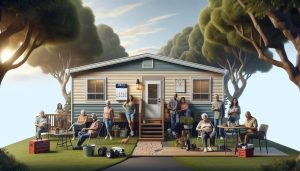
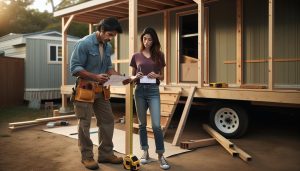
Mobile homes have become a popular housing option, providing an affordable and flexible lifestyle for countless individuals and families. However, understanding what qualifies a mobile home as a legal dwelling unit is crucial for homeowners and renters alike. This distinction affects everything from financing options to zoning regulations, making it essential to navigate the legal landscape. By grasping these requirements, you can make informed decisions regarding your investment and living conditions. Whether you’re considering purchasing a mobile home or simply curious about the legalities involved, this article will guide you through the key factors that determine the legal status of mobile homes and help ensure your peace of mind as a resident. Join us as we explore the nuances that can enhance your mobile living experience.
What is a Mobile Home Dwelling Unit?
A mobile home dwelling unit, often simply referred to as a mobile home, is a prefabricated structure designed for residential living, built according to specific regulatory standards established by the U.S. Department of Housing and Urban Development (HUD). Unlike traditional homes constructed on-site, mobile homes are manufactured in factories and transported to their designated locations. This construction method offers a unique blend of affordability, flexibility, and practicality, making them an appealing option for many individuals and families seeking alternative housing solutions.
One of the primary features that qualify a mobile home as a dwelling unit is its intended use as a permanent living space. To be classified legally as a dwelling unit, a mobile home must be equipped with essential facilities such as a kitchen, bathroom, and sleeping accommodations. Moreover, it must be designed to be a long-term living arrangement rather than a temporary or transient housing solution. For instance, mobile homes often come with the necessary plumbing, electrical systems, and basic amenities typically found in conventional homes, making them suitable for year-round occupancy.
The legal status of mobile homes varies significantly across different jurisdictions, influenced by local zoning laws and housing policies. Some areas may classify mobile homes in a manner similar to conventional houses, while others may impose restrictions. Understanding these regulations is crucial for prospective owners, as non-compliance can result in fines or issues with housing stability. It’s advisable for individuals interested in mobile home living to research their local laws carefully and consider consulting with real estate experts or legal advisors to navigate the complexities of mobile home ownership effectively.
In summary, mobile homes are defined as dwelling units when they meet specific criteria that support their use, safety, and livability. The distinction between mobile homes and traditional homes hinges on their construction, intended use, and regulatory classifications, which together establish the framework for mobile home living as a viable and practical housing option.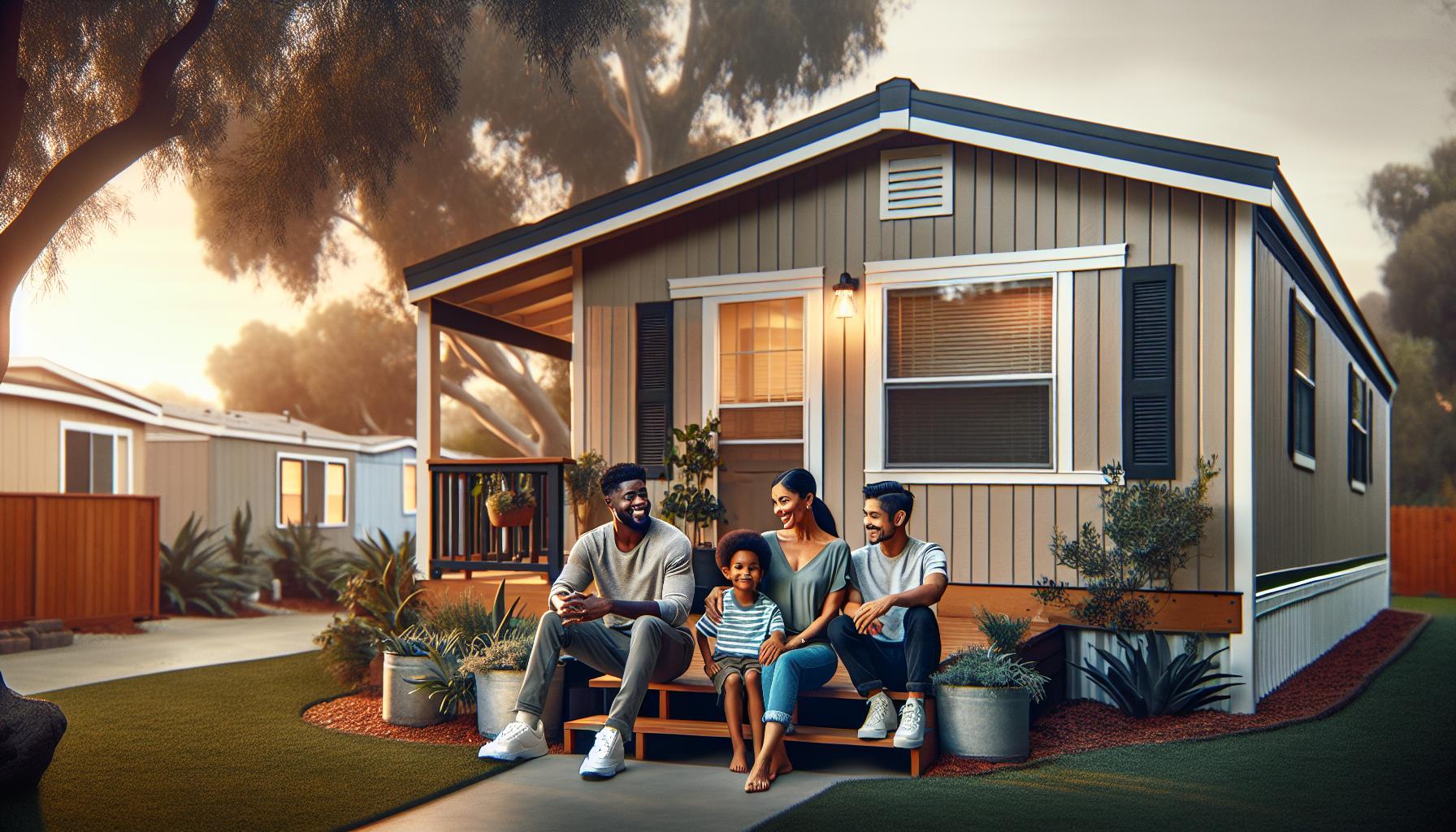
Legal Definitions of Dwelling Units
Understanding the legal definitions surrounding dwelling units is crucial for anyone interested in mobile home living. In many jurisdictions, a dwelling unit is defined as a space intended for year-round residence, encompassing essential facilities such as a kitchen, bathroom, and sleeping areas. This regulation aims to ensure that any living space meets fundamental health and safety standards. For mobile homes, this classification is particularly important, as it helps clarify their status in comparison to traditional site-built homes.
Mobile homes are often subject to specific regulations that distinguish them from other types of dwelling units. For example, the U.S. Department of Housing and Urban Development (HUD) has established criteria that mobile homes must meet to be recognized as proper dwelling units. These criteria not only cover construction standards but also adherence to local building codes that may further define what constitutes a legal residential space. In many cases, if a mobile home is anchored to a permanent foundation and connected to utilities, it may be classified similarly to a traditional home, therefore enjoying the same legal protections.
On the flip side, many local jurisdictions may interpret these definitions differently, causing considerable variations in how mobile homes are treated. Some areas may impose restrictions on where mobile homes can be placed, the type of zoning required, or the minimum size standards for mobile homes to be considered lawful dwelling units. Prospective mobile home owners should take time to consult their local zoning ordinances and regulations. It is also advisable to engage with real estate professionals or legal advisors to navigate these complexities effectively, ensuring compliance and protecting one’s investment in mobile home living.
In summary, the legal classification of mobile homes as dwelling units is shaped by a blend of federal standards and local laws. By understanding these definitions and regulations, individuals can make informed decisions about mobile home ownership, ensuring they choose a residence that is not only comfortable but also legally compliant.
Mobile Home vs. Traditional Homes: Key Differences
The distinction between mobile homes and traditional homes can significantly influence the experience of living in these spaces, including legal status, financing options, and lifestyle implications. Understanding these differences is essential for anyone considering mobile home living. Mobile homes are factory-built structures designed for mobility, often situated in mobile home parks or on individual parcels of land. In contrast, traditional homes are typically constructed on-site with permanent foundations and generally comply with different zoning and building regulations.
One of the key legal differences lies in how each type of dwelling is classified. Mobile homes, since they are built in a factory and often transported to their locations, must meet specific federal guidelines established by HUD to qualify as dwelling units. This includes adherence to safety and health standards intended for residential living. On the other hand, traditional homes undergo a comprehensive local permitting process that includes inspections and compliance with local building codes tailored to the specific area’s requirements. These classifications not only affect the ownership rights but also the resale value of the properties, as mobile homes may depreciate quicker than traditional homes due to their classification and treatment under the law.
Furthermore, financing options for mobile homes differ substantially from those for site-built homes. While traditional mortgages can be readily obtained for conventional houses, mobile homes often require specific loans, such as chattel loans, which are more akin to personal loans than real estate financing. Potential buyers should explore these options thoroughly, sometimes consulting financial advisors who specialize in mobile home financing to determine the best approach based on their individual circumstances.
To sum up, while both mobile homes and traditional homes provide unique benefits and challenges, understanding the legal, financial, and practical ramifications of living in a mobile home can pave the way for informed decisions about where and how to live. With the right knowledge and preparation, mobile home living can be a comfortable and fulfilling choice, offering flexibility and community not found in traditional housing. Embracing this alternative housing option can lead to a rewarding lifestyle tailored to individual needs and circumstances.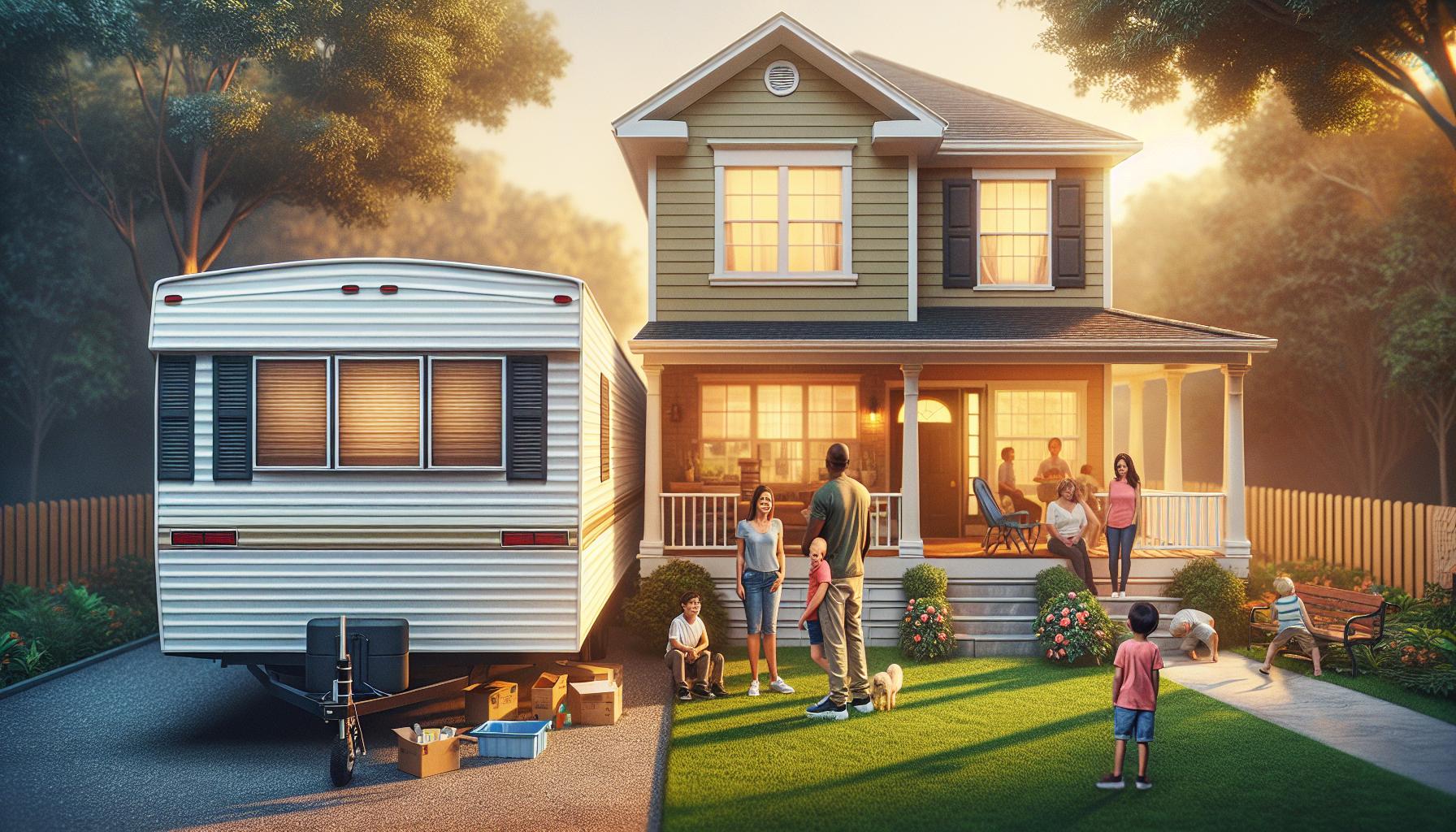
Understanding Zoning Laws and Mobile Homes
Understanding the landscape of zoning laws is crucial for anyone considering mobile home living. These laws dictate where mobile homes can be placed, the kind of modifications that can be made, and the conditions under which they may be occupied. Unlike traditional homes that often fall under strict building codes and zoning regulations, mobile homes are usually subject to different standards, which can vary significantly from one locality to another.
Zoning laws typically classify land into different categories, including residential, commercial, and agricultural. Mobile homes often fit into the residential category, but the regulations can be quite detailed. Local zoning ordinances may specify whether you can place a mobile home on individual lots, within mobile home parks, or in designated communities. It’s essential to check with local authorities to determine the specific zoning requirements for a property, as some areas may have restrictions on the age or type of mobile home allowed. For instance, some jurisdictions may enforce minimum size requirements or limit mobile homes to specific types that meet local aesthetics.
Key Considerations When Navigating Zoning Laws
When dealing with zoning laws for mobile homes, consider the following aspects:
- Permitting Requirements: Many localities require a permit to place a mobile home, which may involve submitting plans for site preparation, utilities, and compliance with local codes.
- Home Setup Regulations: Rules may dictate how mobile homes must be anchored, skirted, and connected to utilities to ensure safety and aesthetic conformity.
- Age and Model Restrictions: Some areas may require that only newer models of mobile homes be placed in certain zones, aiming to maintain community standards.
- Homeowners Associations (HOAs): If located within a mobile home park or community governed by an HOA, additional rules may apply concerning the appearance and maintenance of the mobile home and property.
Before making any decisions, it’s advisable to consult zoning maps and engage with local planning departments to get a comprehensive understanding of the specific regulations that apply. Being informed not only helps you comply with the law but also ensures that your experience in a mobile home is positive and enjoyable. By understanding zoning laws, you can better navigate the complexities of mobile home living and create a space that meets your needs while adhering to community standards.
How Local Jurisdictions Define Dwelling Units
Understanding is essential, especially when considering mobile homes as viable living options. Each locality may have specific criteria that qualify a structure as a dwelling unit, impacting everything from building codes to permitting processes. While mobile homes can provide affordable housing solutions, their classification can differ significantly compared to traditional homes.
In many areas, a dwelling unit is defined by its ability to serve as a separate living space, complete with basic amenities such as sleeping, cooking, and bathing facilities. Mobile homes, often designed to provide these same essential features, may be classified as dwelling units, provided they meet specific local standards. This classification is crucial not just for legal compliance but also affects financing options, insurance requirements, and resale value.
Local ordinances will typically outline what qualifies a mobile home as a dwelling unit. For instance, some jurisdictions might specify minimum size requirements, foundation types, and infrastructure connections like sewage and electricity. Additionally, regulations may vary based on whether a mobile home is situated in a mobile home park or on private land. Many communities enforce standards that ensure mobile homes blend aesthetically with neighboring properties, further influencing their classification.
When navigating these local definitions, it’s important for potential mobile home owners to engage with local housing authorities or planning departments. They can provide comprehensive guidelines on what constitutes a dwelling unit in a particular region, ensuring compliance and helping to avoid costly mistakes in the placement or modification of a mobile home. Understanding these legal definitions empowers individuals to make informed decisions about their housing choices, supporting a more accessible and diverse approach to homeownership.
Financing Options for Mobile Home Purchases
Securing financing for a mobile home can seem daunting, but numerous options are available to make this affordable housing solution more accessible. Unlike traditional home financing, which often includes extensive mortgage options, mobile home financing is sometimes more limited and specialized. It’s essential to understand these avenues to select the best route for your situation and enhance your dream of homeownership.
Types of Financing Options
One of the primary ways to finance a mobile home is through FHA loans. The Federal Housing Administration offers Title I and Title II loans designated for mobile home purchases. Title I loans can be used for the purchase of a mobile home that is not permanently affixed to land, meaning it can be more flexible for buyers. Title II loans apply specifically to manufactured housing that is permanently affixed to a foundation, offering longer-term financing options akin to traditional home mortgages.
Ul Alternative Loan Options:
- Personal Loans: These loans can be used to finance mobile homes, especially for those looking to buy used units or land.
- Chattel Loans: Ideal for mobile home purchases, a chattel loan operates similarly to an auto loan, where the home is collateral.
- VA Loans: Eligible veterans can utilize VA loans for mobile home purchases, providing favorable terms that often include no down payment and lower interest rates.
- USDA Loans: For qualifying rural residents, USDA loans allow financing for both land and mobile homes.
Another significant consideration is the role of local jurisdictions in determining what qualifies as a “dwelling unit.” This legal classification can impact financing options as well. In communities requiring mobile homes to meet specific zoning or building code criteria, potential buyers should familiarize themselves with local laws to ensure that their financing options align with these regulations. Engaging with local housing authorities can provide clarity on the loan types permitted within specific jurisdictions.
Understanding these financing options-and their nuances-not only empowers potential mobile homeowners but also promotes a smoother transaction process. Being informed about available resources, qualifying criteria, and applicable regulations helps pave the way for more sustainable living arrangements and supports the pursuit of diverse housing solutions.
Legal Responsibilities of Mobile Home Owners
Owning a mobile home brings with it a variety of legal responsibilities that can differ significantly from those associated with traditional homeownership. As a mobile homeowner, you must be aware of local regulations, property rights, and maintenance obligations unique to mobile home living. Understanding these responsibilities not only helps you comply with the law but also ensures you maintain a safe and comfortable living environment.
Firstly, mobile home owners must be familiar with zoning laws governing where they can place their homes. Local jurisdictions often have specific rules regarding mobile home parks, individual lots, and residential areas, which can dictate the legality of parking, utility connections, and necessary permits for placement. Non-compliance with these regulations can lead to fines or even the requirement to move the mobile home. To avoid legal issues, prospective buyers should conduct thorough research or consult local authorities to understand zoning requirements before purchasing a mobile home.
Another critical aspect of ownership is adhering to maintenance and safety standards. Mobile homes must meet specific building codes and safety regulations that ensure the structural integrity and habitability of the dwelling. Owners are responsible for keeping their homes in compliance, which includes regular inspections, upkeep of appliances, plumbing, and heating systems, as well as ensuring that the home remains protected against pests and weather conditions. Neglecting these responsibilities can result in deteriorating living conditions and potential legal ramifications.
Additionally, mobile home owners have financial responsibilities such as property taxes, insurance, and possibly homeowners’ association fees if living in a park or community setting. Keeping up with property taxes is paramount, as failure to pay can lead to liens against the property or even foreclosure. Insurance is another crucial factor that provides financial protection against damage or liability; therefore, obtaining a comprehensive policy tailored to mobile home characteristics is advisable.
By recognizing and fulfilling these legal responsibilities, mobile home owners can ensure they foster a healthy living environment while enjoying the unique benefits of mobile home living. Engaging with local housing authorities and experienced homeowners can provide invaluable insight, helping new investors navigate through challenges and establish a solid foundation for sustainable and enjoyable living.
Navigating Property Taxes for Mobile Homes
Understanding property taxes as they relate to mobile homes is crucial for owners seeking to maintain financial stability and legal compliance. Mobile homes, often categorized differently from traditional houses, can be subjected to unique tax obligations depending on local laws and regulations. In many jurisdictions, mobile homes are treated as personal property unless they are affixed to land, which can significantly impact how these taxes are assessed.
For mobile homeowners, knowing how property taxes are calculated is essential. Generally, taxes are based on the assessed value of the mobile home and calculated using local tax rates. Homeowners must stay informed about local regulations since tax systems can vary widely by state and municipality. Certain areas have exemptions or special tax provisions for mobile homes, especially if they are part of a mobile home park or a community that offers specific amenities. Engaging with your local assessor’s office can provide clarity on available exemptions and the specific tax rate applicable to your mobile home.
Additionally, it is vital to keep accurate records of any improvements made to your mobile home. Renovations or upgrades can increase the value of the home, potentially affecting your property taxes. For instance, if you’ve updated your roof or installed new appliances, these improvements may lead to an increase in assessed value. Conversely, understanding the depreciation patterns for older mobile homes can also aid homeowners in accurately estimating their tax obligations.
To ensure timely payment and avoid penalties, mobile home owners should establish a routine for tracking property tax due dates and amounts. Most local tax authorities send out annual notices, but these can sometimes be overlooked. Setting reminders and potentially exploring online payment options can help in managing these responsibilities efficiently. By remaining proactive about property taxes, mobile homeowners can enjoy their residences without the stress of unexpected financial liabilities.
Mobile Home Insurance: What You Need to Know
Having the right insurance for a mobile home is crucial for protecting your investment and ensuring peace of mind. Mobile homes, classified legally as dwelling units, require specific coverage options that encompass unique risks. Many homeowners mistakenly believe that standard homeowners insurance will suffice, but mobile home insurance is tailored to address the particular needs of these residences.
When considering mobile home insurance, it’s important to understand what factors can influence your premiums. Typically, costs can range widely depending on various factors such as the age of the home, its location, and whether it is situated in a mobile home park or on private land. Additional protective measures, like fire and theft alarms, can help reduce your insurance costs. It’s wise to compile information regarding your home and its features before reaching out for quotes from multiple insurers to find the best coverage.
Types of Coverage
Mobile home insurance usually includes a combination of coverage options:
- Dwelling Coverage: Protects the structure of the home itself.
- Personal Property Coverage: Covers damage to personal belongings inside the home.
- Liability Coverage: Offers financial protection if someone is injured on your property.
- Additional Living Expenses: Helps cover costs if you need to temporarily relocate due to a covered loss.
As with any insurance policy, understanding the nuances of your coverage is vital to ensure adequate protection. Take the time to review policy exclusions and limits to avoid surprises when you need to file a claim. Engaging with insurance professionals can provide clarity and help educate you about the specific needs related to mobile home insurance.
Make sure to regularly assess your coverage as life changes-such as renovations, acquiring more personal belongings, or changes in local laws-can affect your insurance requirements. By staying informed and proactive, you can enjoy your mobile home with the peace of mind that comes from knowing you’re appropriately insured.
Maintenance Tips for Mobile Home Owners
Taking care of a mobile home is essential not only for maintaining its value but also for ensuring a comfortable and safe living environment. Unlike traditional homes, mobile homes can require different maintenance approaches due to their unique construction and potential vulnerabilities. Regular upkeep can prevent costly repairs down the line and contribute to a better quality of life.
One of the most crucial tasks is inspecting and maintaining the roof. Mobile home roofs can be flat or slightly sloped, making them more susceptible to pooling water and leaks. Clean gutters regularly to ensure proper drainage, and check for any signs of damage or wear such as cracks or blisters. If repairs are needed, address them promptly to avoid water damage inside the home.
Foundation and Exterior Maintenance
It’s also vital to monitor the foundation and the skirting of your mobile home. Ensure that the foundation remains stable and free from shifting or settling. If you notice any gaps or unlevel areas, consult a professional for guidance. The skirting, which protects the undercarriage of the mobile home from pests and harsh weather, should be intact and secured. Inspect it for holes or detachments and repair as necessary to maintain proper insulation and protection.
Plumbing and Electrical Systems
Mobile homes often have different plumbing and electrical configurations compared to traditional houses. Regularly inspect plumbing fixtures for leaks and check the water heater for signs of rust or corrosion. Also, review your electrical systems, ensuring that outlets and wiring are in good condition. It’s advisable to test smoke detectors and carbon monoxide detectors frequently to safeguard against hazards.
By dedicating a little time each month to maintain a mobile home, owners can tremendously enhance their living experience and extend the lifespan of their investments. A proactive approach not only keeps your home in good shape but further solidifies mobile homes as a viable and enjoyable living option.
Adapting Mobile Homes for Year-Round Living
Many may think mobile homes are only suitable for seasonal living, but with the right adaptations, they can provide year-round comfort and stability. To effectively transform a mobile home into a cozy dwelling that endures all seasons, consider enhancements that address insulation, climate control, and exterior modifications.
One of the first steps in adapting a mobile home for year-round living is improving insulation. Mobile homes are often constructed with less insulation than traditional homes, which can lead to higher energy bills and uncomfortable temperatures. Upgrading the insulation in walls, floors, and ceilings is crucial. Options like foam board insulation or spray foam can significantly enhance thermal efficiency. Additionally, installing double-glazed windows not only blocks drafts but also improves energy retention-crucial for both winter warmth and summer coolness.
Heating and Cooling Solutions
Implementing effective heating and cooling solutions is paramount for year-round comfort. Consider investing in energy-efficient heating systems, such as electric heaters or ductless mini-split units, which provide effective temperature control without the same energy toll as traditional systems. For cooling, ceiling fans and portable air conditioning units can maintain a pleasant atmosphere while keeping electricity costs manageable. Make sure to regularly maintain these units to ensure optimal performance.
Outdoor Enhancements
Don’t forget the exterior; making outdoor improvements can enhance both aesthetics and functionality. Adding a deck or porch can extend your living space, providing a comfortable area to enjoy during milder weather. Additionally, skirting your mobile home can protect against cold winds and pests, essential for maintaining a stable indoor climate. Lastly, landscaping features like bushes or trees near your home can offer shade in the summer while serving as windbreaks in the winter, assisting in temperature control.
By implementing these strategies, mobile homes can thrive as comfortable, year-round residences. Not only do these adaptations maximize your living experience, but they also help solidify mobile homes as a sustainable alternative to traditional housing. Embracing these improvements makes mobile home living a practical and enjoyable option for anyone seeking flexibility and comfort in their home life.
Future Trends in Mobile Home Living and Legislation
The landscape of mobile home living is evolving rapidly, reflecting broader trends in sustainability, affordability, and innovative design. As more people search for alternative housing options, mobile homes are becoming recognized not just as temporary dwellings but as legitimate, permanent residences. This shift is accompanied by changing legislation that aims to support the growing mobile home community while ensuring that these homes meet safety and habitability standards.
Government initiatives are increasingly focused on making mobile home living more accessible and equitable. States are beginning to introduce or revise laws to enhance tenant protections within mobile home parks, addressing issues such as rent control and eviction processes. These legislative changes are crucial for fostering a stable housing environment and helping owners maintain their investments. Additionally, as local governments recognize the need for affordable housing solutions, many are including mobile homes in their zoning plans, facilitating easier placement and reducing restrictive regulations.
The rise of modern, energy-efficient designs is another trend driving interest in mobile home living. Innovations in construction materials and techniques have improved not only the aesthetic appeal of mobile homes but also their sustainability. Eco-friendly options such as solar panels, high-efficiency insulation, and water-saving fixtures are becoming commonplace, making mobile homes a more appealing choice for environmentally conscious consumers. These advancements not only benefit the homeowners by lowering utility costs but also contribute to a reduction in the overall carbon footprint of the housing sector.
As mobile homes gain acceptance in mainstream housing discussions, the dialogue around financing options is also expanding. More lenders are now offering tailored mortgage products for mobile and manufactured homes, which previously faced challenges in securing traditional financing. Programs aimed at promoting home ownership among individuals in mobile homes include those that cater to first-time buyers and address the nuances of insuring and appraising these unique properties. With better financing options, the dream of home ownership becomes more attainable for many.
Ultimately, the future of mobile home living is bright, marked by legislative advancements, increasing acceptance of alternative living arrangements, and a commitment to sustainability. As mobile homes continue to integrate into the fabric of permanent housing solutions, potential homeowners can look forward to a landscape that values creativity, affordability, and inclusivity in housing.
Future Outlook
Understanding what qualifies a mobile home as a dwelling unit is crucial for navigating legal requirements and protecting your rights as a homeowner. By grasping the nuances of legal status, you empower yourself to make informed decisions about your living situation. If you’re contemplating purchasing a mobile home or just want to ensure compliance with local regulations, now is the time to dive deeper.
Explore our related articles on mobile home financing options and essential maintenance tips for maintaining your investment. Don’t miss our comprehensive guides on legal considerations and purchasing strategies to further enhance your knowledge. Join our community by signing up for our newsletter, and connect with others who share your interest in alternative housing solutions. Your journey toward informed mobile home living starts now; engage with our resources to fully embrace this lifestyle!