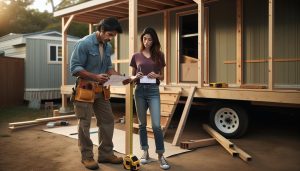
When it comes to trailer home living, understanding how much it costs to block around the bottom of your home is crucial for ensuring stability, energy efficiency, and protection from the elements. Many homeowners overlook this important step, but properly blocking can help ward off issues like pests or moisture intrusion, preserving the integrity of your home. By gaining insight into the true costs associated with this process, you not only safeguard your investment but also enhance your comfort and quality of life. Are you curious about the various factors that influence these costs and which methods might be best for your needs? Dive in to discover essential tips and practical advice that will make your trailer home maintenance simpler and more effective.
Understanding Blockage Needs for Trailer Homes
For those living in trailer homes, understanding your blocking needs is essential for maintaining the stability and safety of your residence. Proper blocking acts as a foundation that prevents structural issues, alleviates stress on the frame, and mitigates water damage caused by the elements. In areas with fluctuating temperatures, frost heave can further complicate the need for adequate blocking. Recognizing the specific requirements based on local conditions – such as soil type, weather patterns, and exposure to moisture – will help ensure your trailer is well-supported and secure.
When assessing your blocking needs, consider the following factors:
- Soil Composition: Sandy or loose soils may require deeper or additional blocking material to prevent settling.
- Local Climate: Regions with extreme temperatures or weather fluctuations may benefit from insulated blocking to sustain interior comfort.
- Water Drainage: Make sure that your blocking helps direct water away from the trailer’s base to reduce the risk of rot and damage.
It’s also vital to approach blockage as a long-term investment. By implementing proper blocking techniques now, you may save money later by preventing costly repairs caused by neglect or improper installation. Additionally, regular inspections can help catch potential issues before they escalate, ensuring your trailer remains a comfortable and safe home for years to come. Always consider consulting local building codes to ensure compliance with regulations and to obtain guidance on best practices tailored to your geographic location.
Cost Breakdown: Materials for Blocking

Properly blocking a trailer home is not just about functionality; it’s also an investment that can save you money over time. When considering the materials required for blocking, the costs can vary significantly based on the type of materials you choose, the size of your trailer, and local market prices. Understanding these costs allows you to budget effectively and ensure that your home is well-supported.
The most common materials used for blocking include concrete blocks, steel piers, and treated wood. Each comes with its own cost implications:
- Concrete Blocks: These are widely used for their durability and cost-effectiveness, typically ranging from $2 to $5 per block. Depending on your trailer’s size, you may need anywhere from several to dozens of blocks.
- Steel Piers: While more expensive upfront, costing anywhere from $10 to $25 each, steel piers provide excellent stability and resistance to the elements, making them a solid long-term investment.
- Treated Wood Beams: For a more traditional approach, treated wood can be used but is generally less durable than concrete or steel. Prices range from $5 to $15 per beam.
Keep in mind that other materials, such as insulation and drainage systems, may also factor into your overall costs. Ensuring that your blocking creates a barrier against moisture can prevent future repair costs related to water damage. Depending on your location and the specific requirements of your site, additional expenses for waterproofing or drainage solutions may arise.
In contrast, if you opt for a professional installation, labor costs can add another layer to your budget. Generally, hiring experts might cost anywhere from $500 to $2,000, depending on the complexity of the job and geographical location. However, investing in professional services can save time and ensure compliance with local regulations, giving you peace of mind in your trailer home’s safety and stability.
Budgeting for materials and installation is critical, but remember that taking the time to plan appropriately can lead to long-term savings and increased value in your trailer home. By investing in quality materials and following best practices for installation, you’ll create a solid foundation that will support your home for years to come.
DIY vs. Professional Installation Costs
Many homeowners face the decision of whether to tackle the installation of blocking for their trailer home as a DIY project or to hire professionals. This choice is not merely a matter of time and skill; it also significantly impacts your budget and the long-term stability of your home. Understanding the cost dynamics and benefits of both approaches can help you make an informed decision that suits your needs and comfort level.
When you choose the DIY route, you can save substantially on labor costs, which typically range from $500 to $2,000 depending on the complexity of the job. However, it’s crucial to factor in the learning curve and potential pitfalls. For instance, improper blocking can lead to structural issues down the line, leading to costly repairs that could offset your initial savings. If you’re handy and committed, DIY blocking can be a rewarding project. You could spend around $100 to $300 on materials such as concrete blocks, steel piers, and treated wood beams, which are relatively straightforward to install with the right guidance.
On the other hand, professional installation offers peace of mind, especially for those unsure of their skills or unfamiliar with local building codes. While this option is pricier, it usually provides a guarantee of safety and compliance. Professionals can bring expertise that ensures your trailer is adequately supported and well-prepped against moisture and environmental factors. They can also recommend the best blocking materials based on your geographic location, enhancing the overall resilience of your setup.
Ultimately, the decision between DIY and professional installation comes down to your confidence level, budget, and the specific demands of your trailer home. Whether you’re a hands-on enthusiast ready to roll up your sleeves or someone who prefers to leave it to the experts, understanding these factors will help you create a robust foundation that can stand the test of time.
Types of Blocking Materials to Consider
Choosing the right blocking materials for your trailer home can drastically impact not only the stability of your home but also its longevity. Whether you are looking for something cost-effective, durable, or easy to install, there are several options available that cater to different needs and preferences. Understanding these materials will empower you to make an informed choice that will benefit your living space for years to come.
Concrete Blocks are a popular choice for blocking due to their strength and availability. They provide solid support and can handle significant weight, making them ideal for stabilizing heavier trailers. They are also resistant to rot and insects, which can be a concern with wooden materials. However, ensure that the ground beneath the blocks is well-prepared to prevent shifting.
Steel Piers offer another robust option that stands up well to adverse weather conditions. These piers can provide adjustable height, making them ideal for uneven ground. They are typically more expensive than concrete blocks, but their durability often justifies the investment. Steel piers are less prone to corrosion if installed correctly, making them a long-term solution.
Treated Wood Beams can also be used for blocking, particularly in areas where aesthetics are a consideration. While they are generally less expensive than concrete or steel, treated wood needs regular maintenance to prevent rot and insect damage. If choosing wood, it’s advisable to use higher-grade treated options to extend their lifespan.
Additional Materials to Consider
When selecting your blocking materials, here are other options and considerations that may fit specialized needs:
- Plastic or Composite Blocks: Lightweight and rot-resistant, these can be easier to install and maintain, though they may not provide the same level of support as concrete or steel.
- Crushed Stone or Gravel: Often used in conjunction with other materials, a well-packed gravel base can improve drainage and stability for other blocking materials.
- Adjustable Leveling Feet: For those who want flexibility, these components can be attached to concrete blocks or piers, allowing for easy height adjustments as needed.
Your choice should also factor in the specific environmental conditions of your location, such as moisture levels, soil type, and frost depth. Understanding these elements will help ensure that your blocking system remains effective over time, avoiding potential costly repairs in the future. Whether you opt for the durability of concrete or the aesthetic appeal of wood, each material has its own unique benefits that can enhance the stability and efficiency of your trailer home.
Measuring Your Trailer: Key Considerations

Taking proper measurements of your trailer is fundamental to ensuring a successful blocking process. Not only does this allow for a precise fit of the blocking materials, but it also prevents common issues related to instability and uneven settling. Start by measuring the overall length and width of your trailer, including any protrusions like awnings or bump-outs. These dimensions dictate how many blocks or piers you may need to use and help in planning the layout for optimal weight distribution.
When measuring, it’s also essential to assess the height of your trailer from the ground to the bottom of the frame. This height will influence your choice of blocking materials, especially if your soil is uneven or if you are in an area prone to flooding. Use a level to determine if your trailer is sitting appropriately; any visible tilt or slope may require additional adjustments in your blocking plan. Checking for water drainage in the area surrounding your trailer can also inform how high you need to set the blocks. Ideally, the blocking should elevate the trailer sufficiently to allow for effective drainage while preventing water damage.
Another key consideration is the local terrain and soil composition. For example, if you’re situated in a heavily clay-dominated area, precise leveling becomes even more critical as clay can expand and contract, causing shifts in the blocking. You may want to conduct a soil test to determine its composition if you’re uncertain, as this can inform long-term blocking strategies. Similarly, knowing the frost depth in winter months can help you prevent heaving and instability from freeze/thaw cycles.
Lastly, keep in mind factors such as wind exposure and any nearby trees or structures that could impact stability. Measuring the distance from these potential hazards can help in planning where to place your blocking and any supplementary support structures. Making these measurements with careful attention ensures a stable foundation for your trailer home, enhancing safety and comfort while maximizing your investment in the property.
Geographic Factors Influencing Costs

The cost of blocking around the bottom of a trailer home can vary significantly based on geographic factors, which play a crucial role in determining local material prices, labor costs, and building regulations. For example, the type of soil predominant in your area can affect both the cost and method of blocking. In regions with unstable or clay-heavy soil, additional measures might be required to ensure stability, which could raise overall expenses. Specifically, soil that expands and contracts can make precise leveling even more important, thereby necessitating more durable and potentially pricier blocking materials.
Moreover, local labor rates can fluctuate dramatically depending on region and demand. In metropolitan areas, where the cost of living is generally higher, you may find that hiring professionals to perform the blocking tasks costs significantly more than in rural regions. For instance, while the average cost of professional installation might be around $900 in some urban settings, this could drop to $450 in less populated areas. Additionally, seasonal changes can also impact availability and pricing; hiring professionals during peak construction seasons may lead to inflated costs due to higher demand.
Regulations and local building codes can further influence costs, as some areas mandate specific types of blocking materials or techniques to ensure safety and environmental compliance. This could necessitate more expensive materials or specialized installation practices, increasing your budget. Researching local laws ahead of time can provide valuable insights into the necessary requirements so you can plan adequately.
In summary, when considering the costs associated with blocking a trailer home, it’s essential to account for the unique geographic factors that pertain to your location. Understanding the influence of soil type, local labor costs, and regulatory requirements can lead to better planning and budgeting, ultimately providing a more stable and secure foundation for your dwelling.
Common Mistakes to Avoid When Blocking
Blocking a trailer home effectively is crucial for maintaining structural integrity, and avoiding common pitfalls can save you from costly repairs down the road. Many homeowners overlook essential steps in the blocking process, which can lead to improper leveling and foundation issues. For example, failing to assess soil conditions or choosing the wrong materials can compromise the stability of your trailer, leading to uneven settling or shifting over time. Here are some your trailer home.
Neglecting Soil Evaluation
One of the most frequent errors is not thoroughly assessing the soil type where the trailer will be blocked. The stability of your structure heavily relies on the soil’s properties. If you live in an area with clay or sandy soil, you may need additional preparations, like digging deeper for pier footings or using different blocking materials that accommodate soil movement. Ignoring these factors often leads to uneven settling and significant repair costs in the future.
Improper Tool Usage
Using inadequate tools or materials for blocking can exacerbate existing issues. Ensure you have a reliable hydraulic jack for lifting the trailer and sturdy blocking materials such as concrete blocks, treated wood, or steel supports. Many homeowners mistakenly use makeshift solutions that may not provide the necessary support. This can compromise the entire blocking system, resulting in instability. Always invest in high-quality materials to ensure longevity and safety.
Forgetting About Natural Drainage
Another common mistake relates to not considering drainage around the blocking area. Poor drainage can lead to water accumulation around the blocks, promoting mold growth and weakening the foundation over time. It’s advisable to create a slight slope away from the blocking site, ensuring rainwater doesn’t pool. Installing gutters can also help divert water away effectively.
Skipping Local Regulations and Permits
Finally, many homeowners overlook the importance of local building regulations and necessary permits. Each area may have specific codes regarding trailer blocking and support systems. Ignoring these guidelines can lead to fines and even necessitate costly rework if your installation doesn’t meet safety standards. Always check with local authorities before you begin your project to ensure compliance.
By avoiding these common mistakes, you can ensure that your trailer home is safely supported and well-maintained, allowing for long-lasting comfort and security in your living space. Remember, investing time and effort into proper blocking is an investment in the health and durability of your home.
Long-Term Savings: Benefits of Proper Blocking
Understanding the long-term benefits of proper blocking for your trailer home can significantly impact your overall investment. When done correctly, blocking helps ensure a stable foundation, which can reduce the risk of future issues that may arise from improper leveling or inadequate support. A well-blocked trailer stands better against the elements, especially if you live in an area prone to extreme weather conditions. This stability not only prolongs the lifespan of your home but also minimizes repair and maintenance costs in the long run.
Investing time and resources into solid blocking can lead to substantial savings. For instance, a trailer that is not properly supported can experience shifting or settling, which may necessitate expensive repairs over time. Moreover, homes that exhibit these issues can lead to heightened energy costs due to inefficient heating or cooling. A balanced and well-supported trailer helps maintain energy efficiency by preventing air leaks or drafts, which can keep your utility bills in check.
Additionally, following proper blocking techniques can enhance your trailer home’s resale value. Prospective buyers are more likely to invest in a property that demonstrates careful maintenance and structural integrity. They may even perceive a well-blocked home as more inviting, recognizing that it has been cared for appropriately. This kind of attention to detail not only looks good on paper but also translates into peace of mind for both current and future homeowners.
Regular maintenance is essential for preserving these benefits. Inspecting your trailer’s blocks and supports periodically ensures they remain effective and intact. This proactive approach helps you catch minor issues before they escalate, reinforcing the long-term benefits of proper blocking, which ultimately fosters a safe and comfortable living environment. By prioritizing the stability of your trailer home, you set the stage for both immediate comfort and long-term financial savings.
Maintenance Tips for Blocked Trailer Homes
Regular maintenance is crucial for ensuring the longevity and stability of your trailer home. Neglecting this aspect can lead to significant issues down the line, but taking a proactive approach can save you time and money. A well-maintained blocking system not only enhances safety but also drives up your home’s energy efficiency.
To keep the blocking around your trailer home in top shape, start with a thorough inspection. This includes checking for any signs of shifting or settling in the blocks. Look for gaps between blocks and the trailer’s frame and adjust them as necessary to maintain a level structure. Pay attention to the condition of the supports; wooden blocks can decay, while concrete can crack under extreme conditions. Consider replacing any damaged blocks immediately to prevent further issues.
Another proactive measure is to clean any debris around the blocking area. Remove dirt, leaves, or plants that may hold moisture against the blocks or the trailer, as this can promote rot or deterioration. Additionally, ensure that drainage is effective; standing water around your trailer can lead to foundation problems. Installing gutters or extending downspouts can help divert water away from your trailer’s foundation.
In terms of long-term investment, consider periodically reinforcing your blocking. If you live in an area with extreme weather conditions, materials such as concrete or steel supports may offer better durability over time compared to wood. Lastly, don’t forget to consult local regulations regarding blocking requirements and maintenance to remain compliant. A structured approach to maintaining your trailer home’s blocking not only enhances its durability but contributes to a more comfortable living environment, ensuring that you and your family can enjoy this unique housing option for years to come.
Assessing Local Regulations for Blocking
Understanding local regulations is crucial when it comes to blocking trailer homes. These regulations can vary significantly by location, affecting everything from the types of materials you can use to the installation methods permitted. Compliance with these guidelines not only ensures your trailer’s stability but also protects your investment and safety over time.
Before starting the blocking process, it’s essential to familiarize yourself with the specific codes laid out by local municipalities or housing authorities. Many areas have ordinances that dictate the minimum requirements for blocking, spacing, and venting. Commonly, these regulations will specify the acceptable materials for blocking, as well as the height and configuration that must be adhered to. For instance, some jurisdictions may require a certain type of foundation or support system based on soil conditions and climate.
It’s equally important to check if any permits are required for the blocking installation. In some regions, you might need to obtain a building permit, especially when using heavier materials like concrete or steel. Local regulations are often designed for safety reasons, aiming to prevent structural failures caused by improper installation. Failing to adhere to these regulations can not only lead to fines but may also complicate any future selling or financing of your trailer home.
Gathering this information can often be as simple as visiting your local housing authority’s website or making a phone call to a knowledgeable local inspector. Keep in mind that building codes may also change, so staying informed about any adjustments will help maintain your trailer home’s compliance and safety. By understanding and adhering to your local regulations, you can confidently secure the foundation of your trailer home, creating a solid, safe living space for years to come.
Environmental Factors That Affect Blocking Choices
When considering how to block your trailer home effectively, environmental factors play a crucial role in determining both the materials you should use and the methods for installation. The local climate, soil type, and geographical features can uniquely impact the stability and longevity of your blocking system. For example, in areas prone to heavy rainfall or flooding, using materials that resist water damage, such as treated wood or concrete blocks, is essential. Without this consideration, you risk structural issues arising from erosion or water-related damage.
Another important element is the soil type beneath your trailer. Sandy or loose soils may require deeper footings or additional support to prevent settling or shifting. In contrast, rocky or clay-based soils can often provide a more stable foundation but might require specific techniques for installation, such as ensuring proper drainage. Assessing these conditions before beginning your blocking project helps you choose the most effective materials and methods for your specific environment.
It’s also vital to take into account any local vegetation and wildlife in your blocking plans. Areas with heavy tree cover may lead to root intrusion or debris accumulation, which could necessitate a different blocking strategy. Using durable, rot-resistant materials can help mitigate these risks while maintaining the aesthetic appeal of your trailer home.
Lastly, understanding wind patterns and potential natural disasters, such as hurricanes or tornadoes, is equally essential in your blocking strategy. In regions vulnerable to such events, securing your trailer home with additional blocking measures, like tie-downs or anchors, can enhance stability and reduce potential damage. By integrating these environmental considerations into your planning, you ensure that your trailer home remains safe, comfortable, and resilient against nature’s challenges.
Enhancing Curb Appeal Through Smart Blocking
One of the most transformative aspects of enhancing a trailer home is through smart blocking, which not only serves a structural purpose but can also significantly boost the aesthetics of your home. Properly chosen and installed blocking materials create a solid foundation that prevents settling and shifting, while also providing an opportunity to elevate the overall look of your home to align with your personal style. Choosing the right blocking materials can blend functionality with design, making your trailer home a true reflection of you.
To start, consider using decorative skirting options, such as vinyl or wood, that complement the exterior of your trailer. This not only conceals the blocking materials but can also add visual interest. Using a variety of textures and colors can harmonize with your landscape and surrounding environment. Additionally, integrating flowers or plants around the base of your trailer, or including vertical garden installations, can enhance the curb appeal further. These natural elements break the visual monotony and provide a warm, inviting look.
Practical Tips for Smart Blocking
- Choose Appropriate Materials: Go for durable and rot-resistant materials, especially if you live in an area prone to moisture or extreme weather conditions.
- Create Visual Layers: Using different heights in blocking can create an interesting visual effect. For example, taller blocks can provide a made-to-order elevation, while shorter ones can be balanced with decorative elements.
- Maintain Consistency: Keep a consistent color palette across different surfaces. If your trailer is painted in warm earthy tones, consider using similar colors in your blocking materials.
- Incorporate Lighting: Soft lighting around the base of the trailer can illuminate your blocking and landscaping at night, creating a welcoming atmosphere.
Incorporating these design ideas enhances not only the fun factor when planning your blocking project but also underscores the importance of blending form with function. By making smart choices about materials and integrating them into your overall home design plan, you not only improve the structural integrity of your trailer home but also elevate its charm and curb appeal, making it a place you’re proud to call home.
Insights and Conclusions
Understanding the true costs of blocking around the bottom of your trailer home empowers you to make informed decisions that can enhance the longevity of your investment. Don’t let uncertainty hold you back-take the next step in protecting your home today! If you’re curious about DIY home maintenance tips or want to learn about financing possibilities for your next project, explore our detailed guides on basic home care and renovation strategies.
Looking for more insights? Discover our resources on mobile home living essentials or dive into our blog for tips on optimizing your space. Don’t forget to leave a comment or share your thoughts; we love hearing from our community! Every action you take not only improves your home but helps create a vibrant discussion around the joys of trailer living. Start your journey to a better, more informed lifestyle now!