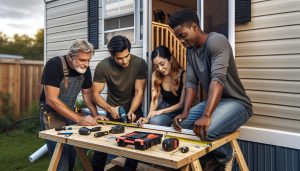
Creating safe and accessible steps for a trailer home is an essential yet often overlooked aspect of living in a mobile space. With many families choosing trailer homes for their flexibility and affordability, ensuring safe entry access becomes a priority. Inadequate steps can lead to accidents and can diminish the enjoyment of your home. By learning how to build sturdy, reliable steps, you not only enhance safety but also boost the overall aesthetic of your living space. This guide will walk you through the necessary steps and considerations, equipping you with the tools and knowledge to create safe entry access for your trailer home. Let’s dive in and make your home a safer, more welcoming place!
Understanding the Importance of Safe Access to Trailer Homes
Safe access to trailer homes is a critical consideration for anyone living in or visiting these dwellings. The importance of having secure and reliable steps cannot be overstated, as they serve as the primary interface between the outside and inside of your home. Properly constructed steps minimize the risk of falls and injuries, especially for those with mobility challenges, children, or elderly residents. Furthermore, safety enhancements such as handrails not only provide additional support but also contribute to a sense of stability, making the transition in and out of the home much smoother.
When steps are built to code and designed with safety features in mind, they contribute significantly to the overall quality of life in a trailer home. For example, uneven or poorly constructed steps can lead to accidents, which could result in serious injuries or even legal repercussions if negligence is determined. Additionally, a well-constructed set of steps enhances the curb appeal of your home, making it more inviting to guests and more marketable should you decide to sell.
To ensure safety, it’s essential to consider factors such as the height of the entryway, the width of the steps, and the materials used. Durable materials that can withstand weather conditions-like treated wood or composite materials-will not only enhance safety but also reduce maintenance efforts over time. Ultimately, prioritizing safe access through thoughtful step design and construction reflects an understanding of the challenges associated with trailer home living and a commitment to creating a welcoming, secure environment.
Essential Materials for Building Trailer Steps
Building steps for a trailer home requires careful consideration of the materials you choose, as they play a crucial role in ensuring stability, safety, and durability. Not all materials are created equal, and the right selections can enhance the longevity of your steps while providing a reliable entry point into your home.
For the frame and structure, pressure-treated wood is a popular choice due to its resilience against moisture and insects. This type of wood is infused with preservatives, making it an excellent option for outdoor applications. Additionally, composite materials, which are made from a combination of wood fibers and plastic, offer the appearance of wood with added resistance to the elements. These materials don’t rot and are typically less prone to splintering, making them ideal for high-traffic areas.
For non-slip surfaces, consider using rubber treads or anti-slip coatings. These additions are vital for preventing slips and falls, especially in wet conditions. Furthermore, durable metal brackets and fasteners are essential for securing the steps together, ensuring they can withstand weight and weathering over time.
When it comes to aesthetics, you might want to paint or stain the wood surfaces with weather-resistant finishes that will protect against UV rays and moisture. This not only enhances the look of your steps but also adds a layer of protection, increasing the lifespan of the materials used. Remember, the investment in quality materials greatly impacts the functionality and safety of your trailer steps, ensuring you and your visitors can enter and exit with ease and confidence.
Step-by-Step Guide to Building Trailer Stairs
Building a safe and sturdy set of stairs to your trailer home is essential for ensuring easy access to your living space. With proper planning and materials, you can create steps that not only look great but are also secure. Here’s a straightforward guide to help you through the construction process step by step.
Start by gathering your materials. You’ll need pressure-treated wood for the frame, along with composite materials for durability and weather resistance. For the steps themselves, robust plywood or thicker planks will work well. Additionally, gather metal brackets and sturdy fasteners to hold everything together. Make sure you also have non-slip treads or coatings for safety.
Once you have your materials, follow these steps:
- Measure the Height: Begin by measuring the height from the ground to the entrance of your trailer. This will determine the total rise and, subsequently, the height of each step.
- Calculate the Number of Steps: Divide the total height by a comfortable step height, usually around 7 inches. If the height is, for example, 28 inches, you will need 4 steps (28/7 = 4).
- Build the Frame: Cut your pressure-treated wood to create the outer frame of the stairs. Use a level to ensure that the frame is even, and secure the pieces together with the metal brackets and fasteners.
- Attach the Treads: Cut your plywood or planks to size for the steps and attach them securely to the frame. Space them evenly, ensuring they align perfectly for safety.
- Add Finishing Touches: Once the stairs are assembled, paint or stain the wood with a weather-resistant finish to protect against moisture and UV damage. Finally, apply the non-slip treads to ensure safety during wet conditions.
Throughout the process, always remember that safety is key. Properly anchored steps not only prevent accidents but also enhance the appearance of your trailer home. With careful construction, your new stairs will ensure you have safe, reliable access to your home for years to come.
Choosing the Right Design for Your Trailer Steps
When it comes to ensuring safe and efficient entry into your trailer home, selecting the right design for your steps is crucial. A well-thought-out design not only enhances accessibility but also complements the aesthetics of your home. Various factors play a role in determining the best design, including height, space, and personal style preferences.
One of the primary considerations should be the step height and width. It’s essential to adhere to standard height guidelines-typically around 7 to 8 inches for each step-while making sure the width is sufficient for safe footing. Wider steps can accommodate users of all ages and abilities, making it easier for children, parents with loads in their hands, and even older individuals to navigate safely. In situations where space is limited, consider folding or collapsible designs that can be secured when not in use, which can be a great space-saver.
Another essential aspect to think about is material selection. The material affects not just the appearance but also the durability and maintenance needs of your steps. For example, pressure-treated wood offers a rustic look and is easy to work with, while composite materials provide greater resistance to rot and require less upkeep over time. If you’re in a region that experiences significant weather variability, opting for materials that withstand moisture and temperature fluctuations should be priority.
Lastly, don’t forget to include safety features in your design. Non-slip treads help prevent slips during rain or winter conditions, while handrails can provide additional support for those who may need stability while climbing up or down. By integrating these safety elements into your design, you enhance not only the functionality of your steps but also the overall confidence of users navigating them.
By carefully considering your design options and prioritizing safety and accessibility, you can create trailer steps that provide secure access, elevating your living experience in your home on wheels.
Important Safety Considerations for Trailer Home Steps
To prevent accidents and ensure safe entry into your trailer home, it’s critical to pay attention to the numerous safety considerations when building your steps. With varied weather and high foot traffic, your steps will see a lot of use, making it essential to create a sturdy, reliable structure that prioritizes accessibility and safety.
Firstly, when constructing your steps, the height and depth of each step should adhere to safety standards. The riser height should generally not exceed 7¾ inches, and there should be consistency in the riser heights-variations larger than 3/8 inch can pose hazards when users are navigating the steps in a hurry or in low visibility conditions. In addition, a depth of at least 11 inches for treads allows for greater stability as users ascend or descend.
Integrating non-slip surfaces is crucial, especially in regions prone to wet weather or ice. You can achieve this by applying non-slip paint or using specially designed non-slip treads, which significantly reduce the risk of slipping. Additionally, railings should be installed on both sides of the steps, with a height of approximately 34 inches to 38 inches above the treads. This provides necessary support and stability for all users, particularly the elderly or those carrying items.
Lastly, lighting should not be overlooked. Installing lights adjacent to the stairs or utilizing motion sensor lights can illuminate steps at night, improving visibility and reducing the risk of falls. By addressing these safety considerations, you contribute to a secure environment, ensuring that all members of your household can enter and exit your home with confidence and ease.
How to Measure for Perfect Fit and Stability
When creating steps for your trailer home, accurate measurements are essential for ensuring both safety and stability. A well-measured staircase not only enhances accessibility but also provides peace of mind for those who will be using it. To begin the measurement process, you’ll need to determine the height from the ground to the entryway of your trailer. Measure this vertical height using a tape measure, ensuring you have a solid understanding of how many risers will be required. This measurement will guide the height of each step, which is typically best kept to a maximum of 7¾ inches.
Once you have the total height, you can calculate the number of steps needed. To do this, divide the total height by your chosen riser height, rounding up to the nearest whole number if necessary. For example, if the total height is 30 inches and you select a riser height of 7 inches, you’ll need five steps (30 ÷ 7 ≈ 4.29). Ensure consistency in your measurements-variations can lead to tripping hazards, particularly for family members in low visibility conditions.
Next is the depth of your treads, which should ideally be at least 11 inches. This depth provides a sturdy base for stepping and contributes to the overall safety of your staircase. For additional stability, consider extending the treads slightly beyond the riser, which can enhance both safety and aesthetic appeal. Additionally, if weather conditions in your area require, integrating a slight overhang on the treads can help keep rain and snow from accumulating and minimize slipping.
Finally, take a moment to visualize the design of your stairway and the degree of incline. Steps that are too steep can lead to accidents. You can use a simple formula: for every inch of height, aim for at least 1 to 1.5 inches of tread depth in width. For example, if your riser height is 6 inches, your tread depth should be between 6 to 9 inches. By following these measurement guidelines, you ensure your trailer home steps are not only functional but also safe and welcoming for all users.
Common Mistakes to Avoid When Building Steps
Building steps for a trailer home can be a rewarding DIY project, but common mistakes can turn your effort into a frustrating experience. One of the most significant missteps is overlooking the importance of precise measurements. Inaccurate riser heights can lead to uneven steps, and tripping hazards become a real concern, especially in low visibility conditions. Always double-check your calculations to ensure consistency across all risers. A well-measured step not only enhances safety but ensures a smooth transition for everyone who uses it.
Another frequent error is neglecting the materials you choose for the construction. Using untreated wood for exterior steps can lead to rapid deterioration due to moisture exposure. Instead, opt for durable, weather-resistant materials such as pressure-treated lumber or composite decking. These materials not only hold up better against the elements but also require less maintenance over time, ensuring your steps remain secure and safe for years to come.
Design is also crucial, and many fall short in this area by creating steps that are too steep or too shallow. A good rule of thumb is to maintain a riser height of no more than 7¾ inches and a tread depth of at least 11 inches. This approach enhances safety and comfort for users, making it easier for children, the elderly, or those with mobility issues to access your trailer home. Additionally, consider the visual appeal-opt for a design that complements your trailer’s style while maintaining functionality.
Finally, don’t forget to incorporate handrails if your steps exceed a height of 30 inches. Handrails provide essential support and contribute to overall safety. Many DIYers skip this step, but it’s vital for preventing falls, especially in wet or icy conditions. By paying attention to these common pitfalls, you can significantly improve the usability and safety of your trailer home steps, ensuring that they serve you well for years to come.
Adding Finishing Touches for Durability and Style
When it comes to enhancing the durability and visual appeal of your trailer steps, the finishing touches can make a significant difference. These final elements not only safeguard your construction against the elements but also elevate the overall aesthetics of your home. Opting for quality exterior-grade paint or sealant can protect the wood from moisture and UV damage. Selecting colors and textures that complement your trailer’s exterior can transform your steps into a stylish focal point.
One effective approach to fortify your steps is to incorporate anti-slip materials, especially in areas that experience high foot traffic or potential wet conditions. Using non-slip paint or adhesive tread strips can dramatically improve safety without compromising style. Additionally, consider adding decorative elements such as trim or a unique pattern on the treads to give your steps a customized look. This not only contributes to a personal touch but also enhances visibility, ensuring that the steps are easily recognizable at all times.
Moreover, installing sturdy handrails can provide both safety and a completed look to your stair design. Choosing a rail design that mirrors the architectural style of your trailer can tie the entire aesthetic together. Handrails made from materials like wrought iron or treated wood can withstand the rigors of outdoor exposure while also offering a classic appeal.
Finally, maintenance is key to preserving both functionality and style. Regularly inspecting the steps for any signs of wear or damage and performing touch-ups can keep them looking new. Adding a coat of weather-resistant finish every couple of years will help maintain the integrity of the materials and the beauty of your trailer steps. By paying attention to these finishing touches, you can ensure that your trailer steps remain both safe and welcoming for many years.
Maintenance Tips for Your Trailer Steps
Maintaining your trailer steps is crucial not only for safety but also for extending the lifespan of your entire entryway. These structures face unique challenges due to exposure to the elements, especially if your trailer is parked in variable climates. Regular upkeep can prevent costly repairs and ensure safe access to your home.
Start with frequent visual inspections to identify any signs of wear or damage early. Look for cracked or warped wood, rusted metal, or loose bolts and screws. Prioritize addressing issues like these before they escalate. For wooden steps, consider an annual check for rot or insect damage. If you notice any concerning signs, it might be time to replace sections of the wood to maintain safety and structural integrity.
Cleaning and Protection
Routine cleaning is essential to keep your steps safe and appealing. Use a mild detergent and water to wash away dirt and grime at least twice a year. Don’t forget to scrub down the railings and non-slip strips as well. After cleaning, apply a weather-resistant sealant suitable for your material. This will protect against moisture and UV damage. For wooden steps, a refresher coat of sealant every couple of years can dramatically increase durability.
Seasonal Considerations
As seasons change, so do the maintenance needs of your trailer steps. In winter, ensure snow and ice are regularly removed to prevent slips or damage. Use sand or salt to improve traction but avoid harsh chemicals that could erode your steps. In summer, check for warping or fading caused by intense sunlight, and consider additional protective UV coatings if needed.
By committing to a maintenance routine that includes inspections, cleaning, and protective measures, you’re not just prolonging the life of your trailer steps but also enhancing their safety and functionality, making everyday access a much more pleasant and secure experience.
Accessibility Features for Trailer Home Steps
Creating an accessible entryway to your trailer home is essential for ensuring safe and easy access for everyone. Whether you are designing steps for yourself, a family member, or a guest, incorporating accessibility features will enhance usability and safety, particularly for those with mobility challenges. A well-designed set of steps can make a significant difference, transforming a basic entry into a welcoming space where everyone feels comfortable.
One key accessibility feature to consider is the width of the steps. Building steps that are at least 36 inches wide not only complies with ADA recommendations but also allows for easier navigation with mobility aids like walkers or wheelchairs. Additionally, incorporating handrails on both sides of the steps can provide extra support. Ensure these railings are sturdy and extend the full length of the staircase for maximum safety. Install them at a height that is comfortable for users-typically between 34 to 38 inches from the step surface.
Another vital aspect is to ensure the steps have a non-slip surface. This can be achieved by using materials like textured composite decking, which provides grip even when wet, or by adding anti-slip coatings. Consider also building the steps with a gentle incline rather than a steep rise, particularly if the entryway to your trailer is elevated. A slope with a ratio of 1:12 (one inch of rise for every twelve inches of run) is ideal for ramp-style accessibility, minimizing the strain on users while navigating.
Finally, lighting is an often-overlooked feature that greatly affects accessibility. Ensure that the steps are well-lit, especially during the evening or in low-light conditions. Installing motion-sensor lights along the pathway to the entrance can be a practical solution to ensure visibility without the need for manual operation. These simple adjustments can greatly improve the safety and accessibility of your trailer home, creating a space that is inviting and usable for all.
Cost-Effective Solutions for Step Construction
Building steps for your trailer home doesn’t have to drain your wallet or require extensive resources. There are many creative ways to construct safe and functional steps using cost-effective materials and simple design strategies. One effective approach is utilizing repurposed materials. Old wood from pallets or decks can be transformed into sturdy steps, while leftover concrete can be used to create a solid base. By scouting local listings for used materials or checking with neighbors, you can often find suitable supplies at little to no cost.
Opting for a simple design can also save money. Consider a basic box-step structure made from wood, which can be easily cut and assembled with a limited amount of tools. Not only does this project cater to those with average DIY skills, but it can also produce a visually appealing result that meets safety standards. Adding grip tape to the surfaces of the steps will enhance safety without the need for expensive non-slip coatings.
For those looking to invest even further in durability without overspending, composite decking is an excellent alternative. It offers the visual appeal of wood without the maintenance costs associated with natural wood. Composite materials are typically resistant to rot and decay, which makes them a smart long-term investment, especially in varying weather conditions. Additionally, basic landscaping around the steps can enhance accessibility and aesthetics without significant financial investment; gravel or mulch is inexpensive and easy to maintain.
By combining these approaches, you can construct safe, stylish, and functional steps for your trailer home while keeping your budget in check. Emphasizing practicality and resourcefulness allows everyone to enjoy the comfort and accessibility of their living space without financial strain.
Seeking Professional Help: When and Why
Building steps for a trailer home is a rewarding project, but there are moments when seeking the expertise of professionals can save both time and aggravation. Consider this: while DIY can lead to cost-effective solutions, a miscalculation in dimensions or load-bearing structures can result in unsafe or unusable steps. Understanding when to engage a skilled contractor or carpenter can ensure not only the safety of your entryway but also the longevity of your investment.
When planning a construction project, it’s critical to assess your capabilities. If you lack experience with tools or structural design, hiring a professional can provide peace of mind. A qualified builder can help design steps that meet local safety codes and regulations, which is particularly important for mobile homes due to their unique structural requirements. Additionally, professionals can recommend the best materials for your climate, ensuring durability against wear and tear over time.
Here are some circumstances where professional help often proves beneficial:
- Complex Designs: If your vision involves elaborate staircases, railings, or integrated landing platforms, a professional can help bring those ideas to life while adhering to safety standards.
- Limited Time or Resources: When a project needs to be completed promptly and you lack the necessary tools or time, professionals can streamline the process and allow you to focus on other important tasks.
- Structural Concerns: If you’re uncertain about the load your steps must bear, especially if they’ll support heavy equipment or many users, it’s wise to consult someone with the expertise to ensure the structure is sound.
- Permitting and Codes: Some areas require permits or inspections for construction. Professionals are often familiar with local regulations and can handle this aspect efficiently.
Choosing to seek help shouldn’t be seen as a failure; rather, it’s a practical decision to enhance safety and quality. A well-constructed entry not only improves accessibility but also adds value to your home. Whether you decide to go it alone or reach out for assistance, the goal is to create a welcoming and safe entryway that complements your lifestyle.
To Wrap It Up
By building safe and sturdy steps for your trailer home, you’re ensuring easy access while enhancing the overall appeal of your living space. Remember, safety is paramount-if you have any doubts about the project’s complexity, consider consulting with a professional or exploring additional resources on maintenance and renovations. Don’t hesitate to check out our guides on “Trailer Home Safety Essentials” and “Affordable Improvements for Mobile Living” to further elevate your home.
As you embark on this project, we encourage you to share your experiences or ask questions in the comments below. Your feedback not only helps others but strengthens our community. Ready to take the next step? Browse our extensive range of handy tools and materials, or sign up for our newsletter for the latest tips on trailer living. Together, let’s make your trailer home the perfect sanctuary!