Building your own trailer can be a rewarding project, but navigating the registration process can feel overwhelming. Whether you’re crafting a utility trailer for hauling goods or a mobile home for adventures on the road, understanding how to register it correctly is crucial. Each state has its own requirements, making it essential to arm yourself with knowledge to avoid fines and ensure safe travels. In this guide, we’ll break down the state-by-state registration processes, empowering you with the information you need to get your home-built trailer on the road legally and efficiently. Let’s unlock the secrets to stress-free registration and help you hit the road with confidence!
How to Determine If Your Trailer Needs Registration
Determining whether your trailer needs registration can be a nuanced process that varies by state and the type of trailer you own. Generally, most states require trailers that are used for transporting items or that are towed behind a vehicle to be registered. However, there are exceptions, particularly for utility trailers that may not exceed a certain weight or purpose. For instance, if your trailer is designed to transport personal items and is under a specific weight limit, it may not need registration in some jurisdictions. Understanding the criteria specific to your state is crucial.
To help clarify, consider the following factors when assessing if your trailer requires registration:
- Type of Use: Trailers used for commercial purposes are almost always required to be registered, while many states may exempt those intended solely for personal use.
- Weight Restrictions: Some states have weight thresholds. If your trailer’s weight falls below this threshold, you may be able to register it as a utility vehicle.
- Home-built Trailers: If you’ve constructed your trailer, you might need to go through additional inspections to obtain registration, depending on state laws.
- State Regulations: Always check the local Department of Motor Vehicles (DMV) or equivalent agency for specific legislation and requirements as they can greatly vary from one location to another.
Before proceeding, it’s beneficial to gather relevant documentation, such as a bill of sale or proof of ownership, and to be prepared for any inspections that may be mandated for newly constructed or custom trailers. Knowing these details in advance will save you time and effort as you navigate the registration process.
Understanding State-Specific Registration Requirements
Understanding the nuances of trailer registration based on state-specific requirements can feel overwhelming, especially if you’re new to trailer ownership or considering building your own. Regulations vary widely; some states have stringent requirements for all trailers, while others may have exemptions based on use or weight. For instance, trailers primarily used for personal purposes, especially those that don’t exceed a certain weight limit, might not require registration at all in various jurisdictions.
To navigate this landscape effectively, it’s essential to consult your local Department of Motor Vehicles (DMV) or equivalent authority for precise information. They can provide the specific laws that apply to your situation, whether it’s about a newly constructed trailer or one you’re planning to use for personal transport. Each state may have distinct definitions of what constitutes a home-built trailer and what qualifies as a utility vehicle, impacting whether standard registration is necessary.
Furthermore, many states require documentation supporting your trailer’s build quality and ownership, particularly for homemade models. This could include receipts from parts purchases, photos of the construction process, or even inspections by state officials. Being proactive in gathering this documentation can make the registration process smoother, avoiding potential complications down the line. By equipping yourself with the right knowledge and resources, you can streamline your efforts in ensuring that your trailer complies with all local and state regulations.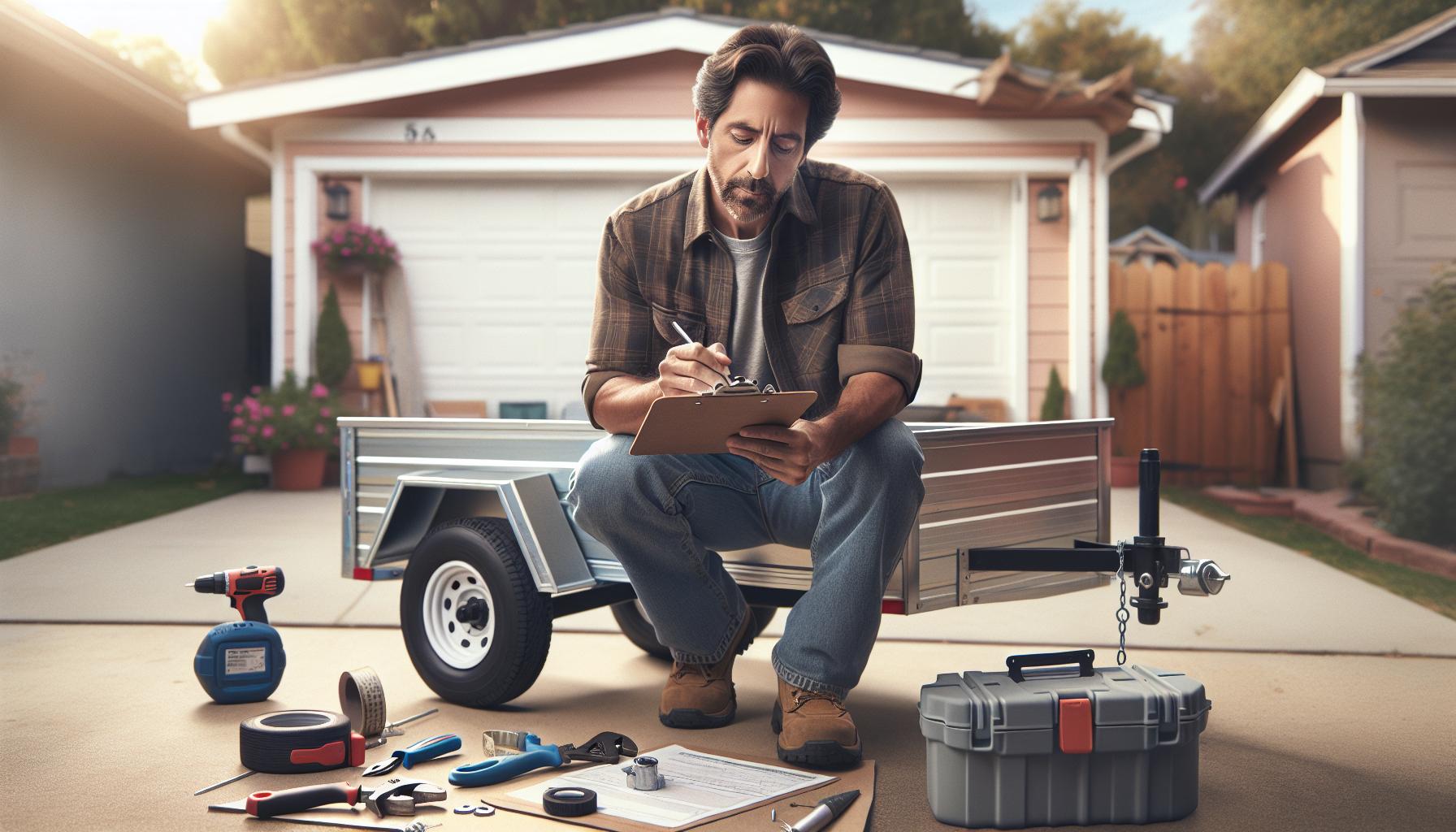
Step-by-Step Guide to Registering Your Home Built Trailer
Building your own trailer can be an exciting project that opens up new possibilities for adventure and utility. However, once you’ve put in the effort to construct your trailer, the next crucial step is to register it properly, ensuring you adhere to local laws and regulations. The process can vary significantly from state to state, but here’s a straightforward guide to help you navigate the steps involved in registering your home-built trailer.
Gather Necessary Information and Documentation
Before heading to your local Department of Motor Vehicles (DMV) or equivalent agency, compile all relevant documents. These may include:
- Receipt of Parts Purchased: Keep receipts to show proof of ownership and cost for materials used in construction.
- Photos of Construction: Documenting your build can help verify that the trailer meets safety standards.
- Inspection Report: Depending on your state, you might need an inspection report from a certified professional to validate the build quality and compliance with safety regulations.
Complete the Registration Application
Once you have your documents in order, find the appropriate registration form, which is typically available on your state DMV website. Carefully fill out the application, ensuring that all information is accurate. This often includes details about the trailer’s weight, dimensions, and purpose. In some states, a specific form for homemade trailers or custom-built vehicles is required, so check for that.
Visit the DMV and Submit Your Application
With your completed application and documentation, make a visit to the DMV. Depending on your state, some DMVs might allow you to schedule an appointment online to reduce wait times. During your visit, be prepared to pay the associated registration fees, which vary by location and may depend on the trailer’s weight class.
Receive Your Registration and License Plate
After submitting your application and making payment, the DMV will process your registration. If everything is in order, you’ll receive your registration certificate and, in most cases, a license plate or tag to display on your trailer. It’s crucial to keep this documentation in your trailer, as you may need to show it during inspections or towing situations.
By following these steps, you’ll be on your way to legally owning and utilizing your home-built trailer, enhancing your ability to explore the great outdoors or manage personal projects. Remember that each state may have unique requirements, so be sure to double-check local regulations to ensure compliance and a smooth registration experience.
Common Paperwork Needed for Trailer Registration
When it comes to registering your home-built trailer, having the right paperwork is paramount. This essential step not only ensures you comply with local laws but also protects your investment. Depending on your state, the specific documents you’ll need may vary, but there are common forms and papers you should prepare to streamline your registration process.
The first crucial document you’ll need is the Receipt of Parts Purchased. This serves as proof of ownership and will be vital in demonstrating to your state’s Department of Motor Vehicles (DMV) that the materials you used are legitimately yours. It’s a good practice to keep these receipts organized, as they may also assist you in calculating any potential taxes owed during the registration process.
In addition to receipts, Photos of Construction can be extremely beneficial. These pictures help verify that your trailer has been built to safety standards. They serve as visual documentation showing how your trailer was constructed, which may be requested during inspections or registration reviews. Capture various angles and key components of the trailer to ensure you have comprehensive visual evidence.
Another important component is the Inspection Report, which may be required in many states. This report is typically issued by a certified inspector and confirms that your trailer meets all safety and regulatory standards. Even if your state does not mandate an inspection, it is wise to have one performed to avoid potential issues down the line.
Lastly, having a completed Registration Application ready is essential. Most DMV websites offer specific application forms designed for homemade trailers. Filling this out in advance ensures you have all necessary details about your trailer, including its dimensions and weight. Knowing and having these documents prepared can significantly ease the registration process and make your trip to the DMV more efficient, allowing you to get on the road with your newly built trailer faster.
Exploring State Fees and Taxes for Trailer Registration
Understanding the fees and taxes associated with trailer registration can significantly influence your budgeting if you’re building a home-built trailer. These costs can vary widely from state to state, reflecting local regulations, required inspections, and the assessment of the trailer’s value. To ensure you are prepared, it’s important to investigate these aspects before heading to the Department of Motor Vehicles (DMV).
Many states impose a registration fee based on the weight or value of your trailer, which can range from a nominal amount of around $10 to several hundred dollars. For instance, some states charge a flat fee for registration, while others may implement a tiered system where heavier trailers incur higher fees. Additionally, certain states may levy a percentage of the trailer’s value as a registration tax, making it crucial to accurately assess your trailer’s worth based on the parts and materials used in its construction.
In addition to registration fees, do not overlook the potential for sales tax on materials purchased for building your trailer. Depending on your state, you might owe sales tax when buying construction materials, which can impact your overall budget significantly. It’s wise to consult your state’s tax regulations regarding DIY projects to avoid unexpected costs.
Another component to consider is the inspection fees; if your state mandates a safety inspection, this can add to your total expenses. Fees for inspections can vary, often ranging from $25 to more than $100, depending on the complexity and the inspector’s qualifications. Be mindful of these costs and keep all receipts since they might be necessary for the registration process.
Navigating state fees and taxes for trailer registration doesn’t have to be overwhelming. By gathering information specific to your state’s requirements, you can better prepare financially and ensure that your home-built trailer is compliant with local laws. Taking these steps will allow you to focus on enjoying your trailer and the freedom it offers.
What to Do If Your Trailer Is Not Titleable
If you find yourself facing the challenge of registering a trailer that isn’t titleable, you’re not alone. Many DIY enthusiasts and home-built trailer owners encounter this situation due to a lack of a formal title or because the trailer was constructed from various materials and components that don’t individually have titles. However, there are essential steps you can take to navigate this process effectively.
To start, it’s crucial to understand the specific laws in your state regarding non-titleable trailers. Generally, these trailers may still be registered under a different classification or with unique documentation. Reach out to your local Department of Motor Vehicles (DMV) or equivalent agency. They can provide guidance on alternative documentation, such as a bill of sale, photographs of the trailer, and receipts for materials used in construction. In many cases, presenting evidence that demonstrates ownership and the origins of your trailer can help.
Gather Necessary Documentation
Prepare a comprehensive package of documentation, including:
- Bill of Sale: If you purchased parts or materials, include any related transactional documents.
- Construction Evidence: Take photographs from different angles and include information about the materials used.
- Affidavit of Ownership: Some states allow you to create an affidavit stating that you built the trailer and outlining your intentions to register it.
Submitting these documents can facilitate the registration process. If your state requires an inspection, make sure you have all the necessary paperwork ready for this as well. State inspectors may need to verify that your trailer meets safety and construction standards before allowing registration.
In the end, while registering a non-titleable trailer may require some additional effort, it is certainly achievable with the right knowledge and documents. Staying proactive and engaged with your local authorities can make a significant difference in successfully getting your trailer registered, allowing you to enjoy your pursuits on the road with peace of mind.
Tips for Custom Trailer Registration Processes
When embarking on the journey of registering a custom-built trailer, it’s essential to remember that the process may differ significantly from registering a standard, factory-made trailer. Each state has its own specific requirements and guidelines, so being well-informed is key to a smooth registration experience. One of the most effective strategies is to compile all relevant documentation prior to starting the registration process. This means gathering your bill of sale for any materials purchased, photographs showcasing the construction process, and proof of ownership. Having this information readily available can not only save you time but also prevent potential headaches during inspections or with the DMV.
Before you begin, consider reaching out to your local DMV or equivalent agency to clarify their specific prerequisites for custom trailer registrations. Some states may require inspections to ensure your trailer adheres to safety standards and regulations. Being proactive about this step can lead to greater ease with compliance, as you’ll know exactly what features and components need to be inspected beforehand. Take diligent notes about any requirements related to trailer size, weight limits, and safety features.
Additionally, familiarize yourself with any potential fees involved in the registration process. Some states impose taxes based on the assessed value of the trailer, while others may charge inspection or processing fees. It might be helpful to create a budget that accounts for these costs, providing a clearer financial picture before diving into the registration process.
For those who are building their trailers from scratch, consider documenting the construction journey through photographs or a project log. This not only serves as a personal remembrance of your project but can also act as evidence of your work when registering your trailer. The more organized and thorough you are in your documentation, the more likely you’ll encounter fewer obstacles as you progress through the various stages of trailer registration.
Navigating Inspections and Compliance for Home Built Trailers
Building a home-built trailer can be an exhilarating experience, but navigating the labyrinth of inspections and compliance can feel overwhelming. Safety is paramount, and ensuring your trailer meets local regulations is crucial before you hit the road. Each state has its specific inspection requirements to ensure your trailer is safe for use. Familiarizing yourself with these requirements can save you from future headaches at the DMV.
First, consult your local DMV or equivalent authority to understand the specific inspections needed for your trailer. Many states will require a safety inspection that evaluates key components such as brakes, lights, and structural integrity. Some states even mandate that home-built trailers undergo a VIN assignment process, which will involve an inspection to assign a vehicle identification number. Documenting your build with detailed photographs and receipts for materials can greatly assist in this process, demonstrating that your trailer is built to standard.
Once you know what needs to be inspected, prepare your trailer accordingly. For instance, ensure that all lights function, safety chains are installed, and the weight distribution is suitable for your towing vehicle. Additionally, have all necessary paperwork organized, including your bill of sale and any construction documents, as these may be required during the inspection.
Finally, don’t hesitate to reach out to local builders or online forums for personal experiences and advice. Learning from the community can provide insights that are not always detailed in official regulations, helping you navigate compliance with ease. Being well-prepared and informed can turn a potentially daunting process into a fulfilling step forward in your trailer ownership journey.
Frequently Encountered Issues with Trailer Registration
Navigating the registration process for your home-built trailer can come with its own set of challenges, particularly since each state has unique regulations and requirements. One common issue is obtaining the proper documentation. Many DIY builders underestimate the importance of comprehensive records, which include receipts for all materials used and detailed photographs of the build process. Lack of this documentation can lead to complications during registration, such as difficulty proving ownership or compliance with state regulations.
Another frequent hurdle is understanding the specific inspection requirements. Some states require a thorough safety inspection, but what constitutes “safety” can vary significantly. For example, some areas may demand that particular safety features be in place, such as working lights and brakes, while others might insist on a structural integrity check. Being caught unprepared can lead to delays, as well as additional costs if modifications are necessary to meet state standards.
Moreover, issues can arise from not accurately identifying the need for a title. In some states, trailers that do not exceed a certain weight may not require titling, leading to confusion among first-time builders. Ensuring clarity on whether a title is necessary can save you from potentially unnecessary trips to the DMV.
Finally, keeping track of changing regulations is essential. Registration laws may evolve, influenced by various factors, including safety concerns and environmental considerations. Regularly checking with local authorities or utilizing resources like online forums can help you stay informed and better prepared for any alterations in the law that could impact your registration process.
Expert Advice on Staying Informed about Registration Laws
Staying informed about registration laws is crucial for anyone looking to build or own a trailer. The landscape of vehicle registration can change frequently, often influenced by new legislation, evolving safety standards, and administrative policies across different states. To effectively navigate these waters, proactive measures can save you time, frustration, and potential fines.
One of the best resources for real-time updates on registration requirements is your local Department of Motor Vehicles (DMV) or equivalent agency. Most states maintain comprehensive websites where they publish news, guidelines, and forms related to trailer registration. Regularly checking these sites can help you catch any changes early and understand exactly what documentation is needed. Additionally, consider signing up for email alerts or newsletters from your state’s motor vehicle department, which can provide timely reminders and updates directly to your inbox.
Engaging with online forums and local DIY communities can also serve as excellent sources of information. Forums like the GON Forum offer discussions where fellow builders and trailer owners share their experiences with registrations, inspections, and other challenges they’ve faced. Participating in these discussions can provide practical insights into the registration process that you may not find in official documents. For example, fellow builders can shed light on the nuances of title rules in your state or share firsthand experiences with specific office personnel at the DMV.
Furthermore, tracking registration laws is also about being aware of legislative changes in your state. Attend local government meetings or follow local news outlets to stay abreast of any upcoming bills that may impact trailer regulations. Many states allow public input during the legislative process, so your voice can influence potential changes.
Ultimately, while the registration of home-built trailers might seem daunting, maintaining vigilance about ongoing developments will empower you to make informed decisions, ensuring that your trailer remains compliant and ready for your next adventure.
Resources for DIY Enthusiasts: Building and Registering Trailers
Building and registering your own trailer can be an incredibly rewarding project, blending creativity and practicality. However, navigating the registration process can feel overwhelming for many DIY enthusiasts. One of the most valuable resources available is the local Department of Motor Vehicles (DMV) or equivalent agency, which provides essential information on registration requirements that vary by state. Regularly checking their websites can yield updates on necessary forms, fees, and local regulations, ensuring that you stay compliant every step of the way.
Engaging with online forums and community groups can also be incredibly beneficial. Platforms like the GON Forum host discussions where individuals share first-hand experiences related to trailer registration, inspections, and the challenges they faced. These shared stories not only provide insights into what to expect but can also help you establish connections with others who share similar interests. For instance, if you’re dealing with a faded VIN or questions about homemade trailers, other DIYers can offer practical tips and emotional support based on their own journeys through the registration maze.
Additionally, consider attending local workshops or meetups focused on trailer building and maintenance. These events often feature experienced speakers who can educate you on best practices and current legislation. Learning directly from experts can arm you with the knowledge needed to tackle the paperwork involved in registering your trailer and clarify any confusion surrounding inspections and compliance requirements.
To summarize, becoming an informed DIY trailer enthusiast involves utilizing state resources, engaging with community insights, and participating in educational opportunities. This collaborative approach not only simplifies the registration process but also enhances your skills as a builder, making your trailer journey both enjoyable and fulfilling.
State Resources and Contact Information for Trailer Registration
Navigating trailer registration can feel daunting, especially if it’s your first time dealing with a homemade model. Knowing where to find accurate and up-to-date information is crucial for successfully registering your trailer. Each state has specific regulations, and local agencies can provide detailed guidance tailored to your situation. Start with your state’s Department of Motor Vehicles (DMV) or equivalent authority’s website. These official resources often offer downloadable forms, outlines of necessary documentation, and details about fees.
For those building their own trailers, understanding the local registration requirements is vital. A few states might require a specific inspection process, while others may simply need proof of ownership and appropriate documentation. In many cases, you will also need to have a trailer identification number (VIN) permanently affixed. If your trailer is homemade, researching how to apply for a VIN in your state can save you time down the line.
Local forums and community groups can also be invaluable. Websites like the GON Forum provide platforms for real users to share their experiences and offer insights into which offices to visit, what paperwork was needed, and what fees were involved. This type of peer support can significantly reduce the stress associated with the registration process and might even connect you with local experts who are more than willing to assist.
Lastly, don’t hesitate to contact your local registration office directly. Calling or visiting can provide clarification on any confusing points and help you gather all the necessary documents before your visit. Many offices appreciate proactive inquiries and can advise on the most efficient steps to take based on your specific needs. By leveraging state resources and engaging with community support, you can streamline the process of registering your trailer, allowing you to focus on enjoying your DIY project.
Key Takeaways
Navigating the registration process for your home-built trailer can be an empowering journey, and now you have the tools to tackle it state by state. By understanding your local requirements and gathering the necessary documentation, you’ll ensure your trailer is road-ready and compliant. If you’re eager to start hitting the road and exploring your adventures, don’t wait-visit your local DMV or state authority today to begin the registration process!
For more tips on maintaining and enhancing your trailer experience, check out our guides on basic trailer maintenance and renovation projects. You may also find our comparison of different trailer types helpful in making the best choices for your needs. Remember, we’re here to support your journey in trailer and mobile home living. Please share your experiences, ask questions, or leave comments below-we love hearing from you! Stay connected for more insightful resources and community tips, and let’s make your trailer life as enjoyable and seamless as possible.