Choosing to install a trailer home offers both flexibility and affordability, but understanding the code requirements is essential to ensure a safe and compliant living space. Local regulations can vary widely, affecting everything from zoning to electrical setups, and navigating these complexities can feel overwhelming. By familiarizing yourself with the necessary codes, you not only protect your investment but also enhance the functionality and safety of your home. This guide will break down the must-know aspects of trailer home installation codes, equipping you with the knowledge you need to confidently proceed with your housing journey. Stay with us as we uncover the key requirements that will make your trailer home not just a place to live, but a community.
Understanding Local Codes for Trailer Home Installation
When considering the installation of a trailer home, understanding local codes is essential for ensuring a safe and compliant setup. Each municipality may have its regulations governing trailer or mobile home installations, influenced by various factors such as environmental concerns and local zoning laws. Being well-versed in these codes can help avoid costly fines or the potential for your home to be deemed uninhabitable.
Local codes typically address several key aspects, including foundation types, utility connections, and anchoring requirements. For example, many areas require that trailer homes be anchored to prevent movement during storms. This might include specific guidelines on the size and type of anchors. Additionally, understanding electrical and plumbing codes ensures that your home not only meets local regulations but also functions safely and efficiently. It’s crucial to consult your local building authority or a qualified contractor to obtain the most accurate and recent information regarding these codes.
Furthermore, permit requirements often accompany these codes, adding another layer of necessity for compliance. Homeowners must usually apply for a permit before installation, allowing local authorities to review your plans and ensure they align with existing regulations. This process may include inspections during and after the installation to confirm adherence to safety standards. Keeping up-to-date with changes in codes and permits often involves ongoing communication with local officials, making it beneficial to establish relationships with inspectors and contractors who specialize in trailer home installations. Overall, a proactive approach to understanding and following local codes will facilitate a smoother installation process and enhance the safety and livability of your trailer home.
Essential Permits Required for Mobile Homes
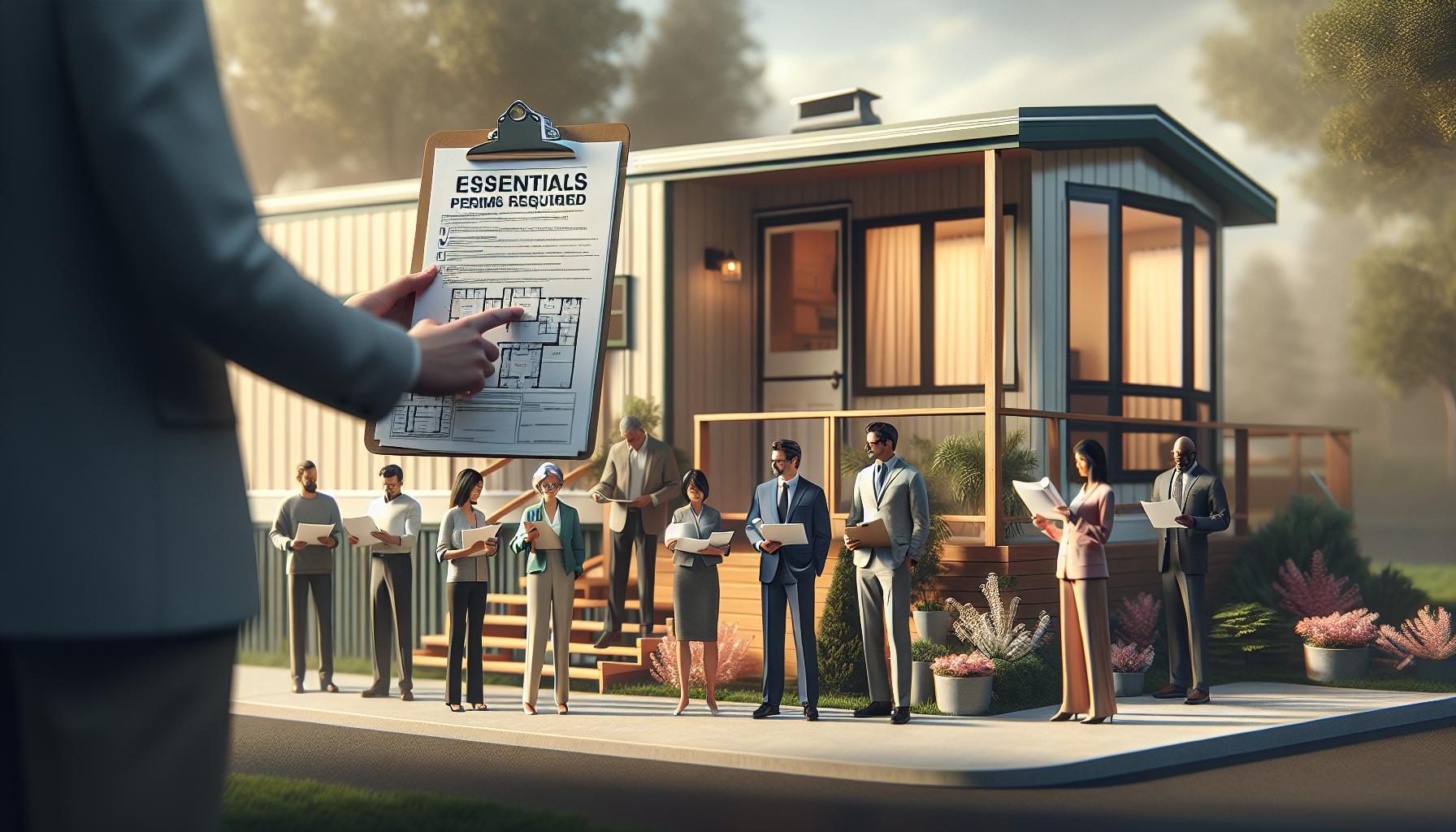
When setting up a mobile home, one of the most crucial steps is ensuring you have the proper permits. Obtaining the right permits not only helps you comply with local regulations, but it also protects your investment and ensures your home is safe for living. The permitting process can vary significantly from one area to another, so it’s essential to check with your local building authority early in your planning.
To get started, you will typically need to apply for a few key permits including:
- Installation Permit: This is usually required before you can place your mobile home on the site. It ensures that the placement meets zoning laws and adheres to safety standards.
- Utility Connection Permits: Since mobile homes require connections to water, sewer, and electricity, you will need specific permits for these utilities. This might involve additional inspections to ensure everything is up to code.
- Foundation Permit: If your mobile home will be placed on a permanent foundation, a foundation permit will be necessary. This may include inspections to ensure that the foundation meets local codes regarding strength and durability.
In addition to these, you may also need permits related to modifications or additions to the home after installation, such as decks or additional structures. It’s wise to keep a close eye on any changes in local building codes and permit requirements, as these can frequently change. Keeping open lines of communication with local officials can help you stay informed.
Establishing relationships with local inspectors and contractors can streamline the permitting process, making them valuable resources for understanding specific requirements in your area. They can often provide insights into common mistakes to avoid and help you navigate the complexities of mobile home installation. By proactively securing the necessary permits and ensuring compliance with regulations, you can pave the way for a smooth installation and secure future for your mobile home living experience.
Safety Standards You Must Know Before Installation

When planning the installation of a mobile home, understanding the safety standards is crucial for ensuring not only compliance with local codes but also the overall safety and longevity of your home. These standards are designed to protect you and your family from potential hazards associated with improper installation. Familiarizing yourself with these regulations will help you make informed decisions as you navigate the installation process.
One key aspect to consider is the adherence to the HUD Code (U.S. Department of Housing and Urban Development), which sets forth the minimum safety and construction standards for mobile homes. This code includes regulations regarding structural integrity, fire safety, energy efficiency, and electrical systems. For instance, homes must have a solid frame and proper anchoring to withstand high winds and adverse weather conditions, which is vital for safety in storm-prone areas.
Another important area is fire safety. Mobile homes are required to have smoke detectors installed in several key locations, such as bedrooms and hallways. It’s also essential that the home be equipped with fire extinguishers and that emergency exits are easily accessible. Adhering to local fire codes by keeping vegetation clear of the home and ensuring that electrical installations comply with the National Electrical Code (NEC) will further enhance safety.
Ensuring proper ventilation is also a safety standard that cannot be overlooked. Adequate ventilation helps prevent moisture build-up, which can lead to mold growth, a major health hazard. Installing vent fans in bathrooms and kitchens, and ensuring that attics and crawl spaces are properly ventilated, are simple yet effective measures to enhance air quality within your home.
Lastly, don’t underestimate the importance of working with local authorities and certified professionals throughout the installation process. Engaging experienced contractors who are familiar with local regulations can significantly mitigate risks associated with non-compliance and safety oversights. By prioritizing these safety standards, you’ll be well on your way to creating a secure and comfortable living environment in your mobile home.
Key Site Preparation Steps for Trailer Homes
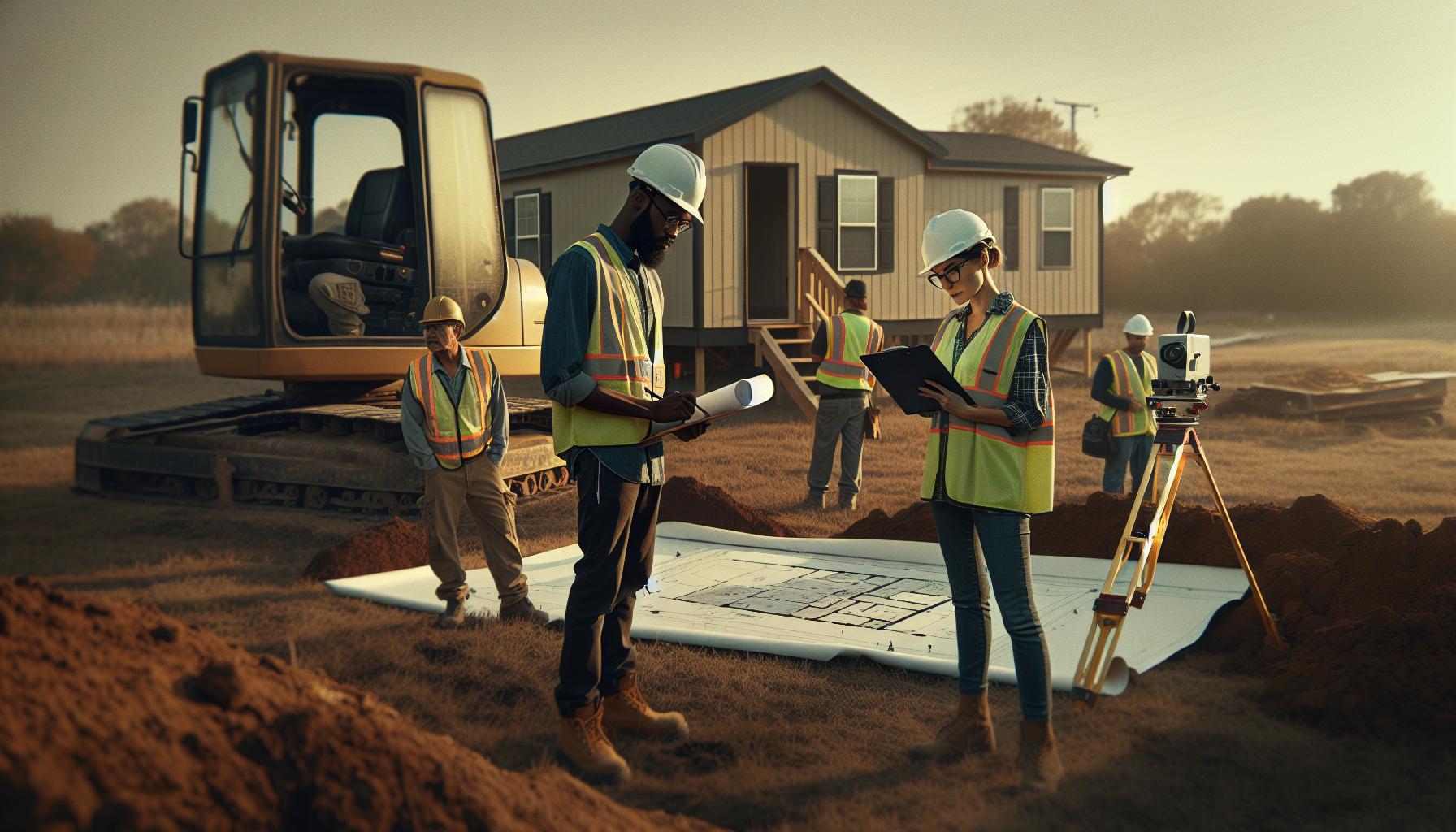
Preparing the site for your trailer home is a critical step that can significantly influence your living experience and the longevity of your investment. Effective site preparation not only ensures compliance with local building codes but also creates a stable and safe environment for your home. The following steps will guide you through the essential processes to consider, making sure you’re well-prepared for a seamless installation.
First and foremost, it is vital to assess the land where you plan to install your trailer home. Look for a level area that is not prone to flooding and has good drainage. Clearing the area of any debris, vegetation, and large rocks will not only enhance the appearance but also prevent pest issues and flooding concerns after heavy rains. Additionally, check local zoning regulations to confirm that your chosen site is approved for mobile home installation, as this can vary widely depending on the location.
Next, proper utility access is crucial. Ensure that your trailer home can connect to necessary utilities such as water, sewage, and electricity. This often involves contacting local utility companies in advance to arrange for necessary hook-ups. Incorporating these connections early in your site preparation can prevent costly delays and complications during the installation phase.
Another key site preparation step is ensuring proper foundation installation. A solid foundation helps protect the trailer from moisture and can prevent structural issues later on. Depending on the local codes and ground conditions, foundations can include concrete piers, slabs, or blocks. Consult local building codes to determine the foundation type required for your area, and consider hiring professionals for installation to guarantee that it meets safety standards.
Lastly, planning for accessibility should be a priority. Make sure that your site allows for easy access for construction vehicles during the installation process and provides adequate space around the home for maintenance access. This forward-thinking will allow you to maintain the home easily and avoid complications down the road. By following these key site preparation steps, you not only comply with regulations but also lay a strong foundation for enjoying your new home for years to come.
Choosing the Right Foundation for Your Trailer
Selecting the appropriate foundation for your trailer home is one of the pivotal elements in ensuring its stability and longevity. A well-chosen foundation not only meets local building codes but also protects your home from moisture, provides insulation, and sustains the overall structural integrity. Here are some key considerations and options to keep in mind.
First, it’s essential to familiarize yourself with local building codes, as they will dictate the type of foundation required based on your geographical location and the specific trailer model. Common foundation types include:
- Concrete Slabs: These are often used in areas with stable ground and they provide a solid base that minimizes shifting and settling.
- Concrete Piers: This method involves raising the trailer off the ground and is ideal for regions prone to flooding, as it allows water to flow underneath the home.
- Blocks and Skids: Often used in temporary installations, this low-cost option is suitable for lighter models and can be easily relocated.
Choosing the right foundation also involves considering the soil quality at the installation site. A soil test can provide insights into the ground’s load-bearing capacity and drainage capabilities, which are critical for sustained stability. For instance, sandy soil may require deeper piers to prevent settling, while clay soil can expand and contract, necessitating a more flexible foundation design.
Lastly, while some homeowners opt for DIY installations, it is advisable to consult with a professional or local contractor who understands local codes thoroughly. They can ensure that the foundation not only meets the required specifications but also accommodates any future modifications or additions you might envision for your trailer home. Proper installation goes a long way in preserving your home’s value and comfort, making it a foundational step toward embracing your new lifestyle.
Electrical and Plumbing Codes for Mobile Homes
Ensuring proper electrical and plumbing installations in mobile homes is not just about compliance with local codes; it is fundamental for safety and comfort. Understanding these requirements can prevent hazardous situations and costly repairs down the line. Each state has specific regulations that dictate how these systems must be installed, so it’s crucial to familiarize yourself with the local codes relevant to your area.
When it comes to electrical systems, the National Electrical Code (NEC) sets the standard for safety. Mobile homes require a dedicated service entrance, and all wiring must be run in approved conduit or armor to protect against wear and damage. Additionally, circuits for different areas of the home must adhere to load calculations to ensure that the electrical system can handle peak usage without tripping breakers. Here are some key pointers:
- Grounding: All homes must have a grounding system to protect against electrical surges.
- GFCI Outlets: Ground Fault Circuit Interrupters are essential in areas where water is present, such as kitchens and bathrooms.
- Panel Location: Electrical panels should be accessible and located in a dry area to ensure safety.
In terms of plumbing, mobile homes have unique considerations that differentiate them from traditional homes. The plumbing systems must comply with the Uniform Plumbing Code (UPC) or the International Plumbing Code (IPC), often requiring the use of specific materials designed to withstand fluctuating temperatures. Important aspects include:
- Pipe Material: Use approved materials like PEX or PVC for water supply lines and ABS or PVC for drain and waste systems.
- Drainage: Mobile homes should have adequate drainage systems, ensuring that all sewage and wastewater is disposed of safely.
- Connection to Main Services: Ensure all connections to city water and sewer systems comply with local regulations to avoid contamination and pressure issues.
To further enhance safety and efficiency, it’s advisable to engage licensed professionals for installation and inspection. This not only guarantees compliance with the latest codes but also provides peace of mind that your home is safe and sound. Understanding and adhering to these electrical and plumbing codes is not just a regulatory exercise; it’s a crucial step toward enjoying your mobile home with confidence and security.
Weatherproofing and Insulation Requirements
When it comes to maintaining comfort in your trailer home, proper weatherproofing and insulation are essential components that can dramatically affect your living experience. Not only do they help regulate indoor temperatures, reducing energy costs, but they also protect your home from moisture damage and improve overall durability. The materials and techniques used for insulation and weatherproofing must conform to local codes, which typically address factors like thermal resistance (R-value) and moisture barriers.
Ensuring that your trailer home is effectively insulated starts with understanding the recommended R-values based on your climate zone. For instance, areas that experience harsh winters will require higher R-values than warmer regions. Common insulation materials include fiberglass batts, foam board, and spray foam insulation. It’s important to seal any gaps or cracks around windows, doors, and where utility lines enter the home, as these can create drafts and lead to significant heat loss.
Weatherproofing Your Trailer Home
Weatherproofing is not just about insulation; it’s also about preventing water intrusion. Utilize materials such as house wrap or vapor barriers during the installation phase to protect against moisture while allowing for air circulation. Proper drainage is critical as well; ensure that rain gutters and downspouts direct water away from the foundation to avoid flooding or erosion. Additionally, installing high-quality windows and doors that are certified for energy efficiency can further enhance your home’s ability to withstand inclement weather, ultimately keeping your living space more comfortable.
By prioritizing these weatherproofing and insulation measures, you can create a cozy environment in your trailer home while adhering to local building codes. Regular maintenance checks will also help identify any areas needing reinforcement, such as worn seals or insulation degradation, preventing larger issues down the line. Embrace the journey of making your trailer a safe and energy-efficient haven-after all, a well-insulated home is not just more comfortable, but also more economical in the long run.
Navigating Zoning Laws for Trailer Installations
Understanding zoning laws is crucial for anyone looking to install a trailer home. These regulations dictate where you can place your home, impacting everything from property use to aesthetics in your neighborhood. Often, zoning laws aim to maintain the character of the community and ensure that new installations are compatible with existing structures. For instance, some areas may have restrictions against placing mobile homes in certain residential zones, while others may only allow them in designated mobile home parks.
It’s essential to begin your journey by researching local zoning ordinances that pertain to trailer installations. Most local planning departments have accessible documents that outline zoning classifications, including specific requirements for mobile and manufactured homes. These documents will clarify which zones permit trailer homes, what permits might be necessary, and any additional requirements you must meet, such as minimum lot size or setbacks from property lines. Engaging with local officials early in the process can help clarify any ambiguities. This proactive approach can save you from potential fines or the removal of your home due to non-compliance.
In addition to zoning classifications, pay attention to any special conditions that may apply. Some municipalities require compatibility reviews, which assess how your trailer home fits within the surroundings. This can involve aesthetic considerations, such as siding colors and roof pitches, to ensure that the trailer’s appearance aligns with neighborhood standards. Additionally, local building codes might dictate specifications for safety and livability that you’ll need to follow during installation.
Stay informed about zoning laws and any changes in regulations by joining local community groups or online forums dedicated to mobile home living. Collectively, these resources can offer firsthand experiences and insights about navigating local requirements, ultimately making the installation of your trailer home a smoother and more rewarding experience. Always remember that compliance with zoning laws not only respects your community but also enhances your experience as a trailer homeowner.
Best Practices for Ensuring Compliance
Ensuring compliance with local codes for trailer home installation is vital not just for legal reasons, but also for your safety and the sustainability of your living space. An often-overlooked practice that can save you considerable trouble is conducting thorough research ahead of time. This means not only obtaining the correct permits but also familiarizing yourself with local building codes, zoning laws, and community-specific regulations. The more informed you are from the outset, the smoother your installation process will be.
A great way to stay compliant is to document each stage of your installation. Create a compliance checklist, which might include the following steps:
- Investigate Local Codes: Contact your local planning department to ask for documentation on the installation codes specific to mobile homes.
- Obtain Necessary Permits: Make sure to apply for and receive all required permits before any physical work begins.
- Schedule Inspections: If your area requires inspections at various stages of installation, schedule these ahead of time.
- Use a Reputable Contractor: If you’re not DIYing it, hire experienced contractors who are knowledgeable about mobile home installations.
Establishing a good relationship with your local building inspectors can also greatly enhance your compliance experience. Communicate openly about your plans, ask questions, and remain receptive to their advice. Many inspectors appreciate homeowners who proactively seek guidance and may be able to provide you with additional resources or tips specific to your project.
As you navigate the compliance landscape, be mindful of maintaining a flexible attitude. Sometimes, unforeseen challenges arise that may require you to adapt your plans. Staying informed and ready to pivot will not only help you meet regulatory requirements but will also lead to a successful and satisfying installation of your trailer home. Engaging in these best practices contributes to a positive community atmosphere and resonates with your neighbors, who may appreciate your commitment to maintaining community standards.
Common Mistakes to Avoid in Installations
When installing a trailer home, overlooking essential details can lead to significant issues down the road. One common mistake is not fully understanding or researching local building codes and regulations beforehand. Ignoring the specifics of your area can result in permits being denied or installations deemed non-compliant, leading to costly modifications or even having to remove the trailer entirely.
Another frequent pitfall is inadequate site preparation. Some may underestimate the importance of leveling the land and ensuring proper drainage when preparing the foundation. Poor site preparation can lead to structural damage over time, including sagging floors and water damage. Always take the time to assess your site and possibly consult with professionals to ensure it meets the required standards.
Additionally, failing to schedule timely inspections is a mistake that can easily be avoided. Many homeowners overlook the necessity of inspections during the installation process, thinking they can handle everything after completion. This can lead to significant problems if critical aspects of the installation are not up to code. Schedule inspections at various stages to catch any potential issues early, making the entire process smoother.
Lastly, not engaging or communicating with local inspectors can be detrimental. Building inspectors are a valuable resource who can provide insight and guidance throughout your installation. Establishing a good rapport can not only help you understand local regulations better but may also assist in discovering resources or tips that can facilitate a successful setup. Avoid these common mistakes, and you’ll be on your way to a safe and compliant trailer home installation.
Resources for Staying Updated on Codes
Staying informed about the latest codes and regulations regarding trailer home installation is crucial for ensuring safety, compliance, and peace of mind in your living space. With building codes constantly evolving, it’s essential to leverage several resources that can help you remain updated. One of the most effective ways to keep abreast of mandatory standards is by regularly checking local government websites. Many municipalities publish their building codes, including those specific to mobile and manufactured homes. For example, Port Orchard has its own chapter dedicated to mobile home installation and inspection, which outlines the necessary permits and procedures you must follow [[1]].
Joining local community groups or forums focused on mobile home living can also be an invaluable resource. Engaging with other residents can provide insights into local challenges, best practices, and shared experiences that keep everyone informed about compliance issues. These communities often share updates on changes in regulations or helpful tips on navigating the installation process.
Additionally, utilizing national resources such as the U.S. Department of Housing and Urban Development (HUD) can be beneficial. HUD provides comprehensive guidelines on manufactured home standards, which include a detailed framework for safety codes that you should be aware of when installing your trailer home [[2]]. This resource is especially useful for understanding federal regulations that may impact your local area.
When it comes to practical tips for maintaining code compliance, consider subscribing to newsletters from home improvement or building safety organizations. These often feature articles on recent changes in building codes, expert advice on compliance issues, and success stories from other homeowners. Lastly, don’t hesitate to contact local inspectors for clarification on codes and regulations-they are a reliable source of information and can guide you through the installation process, ensuring that every aspect of your trailer home complies with local standards.
Tips for Working with Local Inspectors and Contractors
Working effectively with local inspectors and contractors is paramount to ensuring a smooth trailer home installation process. Engaging with these professionals not only helps you navigate the myriad regulations but also fosters a collaborative environment where your concerns and questions can be addressed efficiently. Before you initiate any project, it’s advisable to familiarize yourself with local building codes and requirements specific to mobile homes. This groundwork will enable you to have informed discussions with your inspector and contractor.
One of the best practices is to maintain open lines of communication. Take the time to discuss your project in detail with both your contractor and the inspector. Share your vision, budget, and any concerns. By doing so, you can set clear expectations and ensure everyone is on the same page. Consider scheduling regular check-ins during the construction phase; this proactive approach allows you to address potential issues early on and adapt to unforeseen challenges as they arise. Furthermore, asking for timelines and milestones can help keep the project on track.
Educating yourself about the inspection process can also yield benefits. Understand what aspects the inspector will focus on, such as plumbing or electrical installations, and ensure your contractor is aware of these checkpoints. Often, inspectors are happy to provide insights on common pitfalls or frequent code violations they encounter, which can save you time and reduce costs associated with rewrites or corrections.
In your dealings with contractors, don’t hesitate to request references or examples of prior work. This transparency will help build trust and ensure that your contractor is credible and experienced in trailer home installations. Additionally, securing multiple bids can give you a better sense of fair pricing and standard practices in your area. Always ensure that the contractors you choose are licensed and insured, which can protect you from potential liabilities.
Ultimately, approaching this partnership with preparation and respect creates a more seamless experience, allowing you to confidently move forward with your trailer home project.
To Conclude
Ensuring your trailer home installation aligns with local code requirements is essential for safety and compliance. Remember, understanding these codes not only protects your investment but also enhances your living experience. If you have further questions or need personalized guidance, consider exploring our detailed guides on mobile home maintenance or financing options.
Don’t wait-take the next step in your trailer home journey by signing up for our newsletter for the latest tips and updates. Want to dive deeper? Check out our articles on essential renovation projects and checklists for first-time buyers. Your ideal home is just a few steps away, so engage with our community by leaving a comment or sharing your experiences, and let’s navigate the journey of alternative housing together!