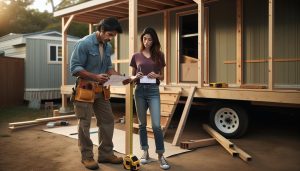
Do you know that nearly 50% of trailer homes experience leveling issues over time? Addressing these concerns not only enhances comfort but also prolongs the life of your home. Whether you’re noticing cracks, uneven floors, or stubborn doors that won’t close, it’s essential to understand how to level an existing trailer home effectively. This guide will walk you through the process, providing you with practical tips and techniques to fix foundation issues and restore balance to your living space. By empowering yourself with this knowledge, you can ensure safety, improve functionality, and enhance your overall living experience. Let’s dive in and explore how to tackle these common challenges together!
How to Identify Foundation Issues in Trailer Homes
Identifying foundation issues in trailer homes is essential to maintaining their structural integrity and ensuring a safe living environment. One of the most alarming signs is visible sagging or sinking of the home, which can lead to misalignment of doors and windows, making them difficult to open or close. If you notice that these entry points are sticking or not sealing properly, it may indicate that your trailer is not level. Additionally, observe the ground around your trailer. Cracks in the soil or uneven ground can be a primary indicator of shifting foundations.
Another critical factor to consider is the presence of gaps or spaces between the trailer skirting and the ground. You may find that these gaps widen in certain areas, suggesting that the foundation is settling unevenly. As you inspect the underside of your trailer, look for any signs of damage or deterioration on support beams, piers, and hold-downs. Rust, rot, or significant wear on these components can compromise the foundation’s strength, leading to potential safety hazards.
It’s also beneficial to regularly check for plumbing issues, including leaks or abnormal water pooling around your trailer. Water accumulation can weaken the soil beneath your foundation and lead to further shifting or settling. In extreme cases, it may even result in localized flooding, drastically worsening foundation problems. If you experience any of these signs, it’s vital to take action promptly to assess and address the underlying issues before they escalate, preserving the value and livability of your trailer home.
Essential Tools for Leveling a Trailer Home

To achieve a level foundation in your trailer home, having the right tools at your disposal can make all the difference. Tackling this project doesn’t need to be daunting; with the appropriate equipment and a bit of hands-on effort, you can restore balance and stability to your trailer. Common tools required for this process range from simple hand tools to specialized leveling equipment that is readily available.
One of the fundamental tools you will need is a leveling gauge or bubble level. This handy device helps you determine how level your trailer is by showing you any slants or inclines. It’s best to use a long level (at least 2 feet) to accurately gauge larger areas of your trailer. Adjustable jacks are also essential for raising or lowering your trailer’s corners to achieve proper leveling. These mechanical wonders allow for precise adjustments, enabling you to fix sagging or uneven points effectively.
Additionally, consider using a torque wrench to ensure that any bolts or screws on the trailer’s supports are tightened to the manufacturer’s specifications. A jack stand is also useful for providing additional stability while you make adjustments. Don’t forget basic hand tools like a screwdriver, wrench set, and hammer; these will help with minor repairs and adjustments as you work on leveling.
When leveling, it’s important to assess the soil beneath your trailer, so having a shovel or a spade might be necessary if you need to modify or reshape the earth beneath. Lastly, keep a flashlight handy for inspecting areas under the trailer. With these tools in your arsenal, you’ll be better equipped to tackle leveling challenges confidently and efficiently.
Step-by-Step Guide to Level Your Trailer Home

Achieving a level foundation in your trailer home not only enhances its stability but also improves your living experience. An unlevel trailer can lead to more significant structural issues over time, making it crucial to address leveling promptly. Here’s a straightforward guide to help you effectively level your trailer home with some practical steps.
Begin by assessing the current levelness of your trailer. Using a long bubble level, check various points along the length and width of your trailer. This will help you identify which corners are higher or lower than others. Note these spots for reference as you proceed with the leveling process.
With your measurements in hand, gather your tools and prepare the area beneath the trailer. Clear away debris and ensure the ground is accessible. If you find any low areas that need filling, consider using dirt or gravel to create a more stable base. Next, use adjustable jacks to lift the lower corners of your trailer. Adjust them gradually while frequently checking the level, ensuring you don’t overshoot the correct position.
As you raise each corner, make small adjustments instead of attempting to achieve the desired level all at once. Once all corners are adjusted to your satisfaction, securely tighten the bolts and screws on the supports using a torque wrench. This will help maintain the stability achieved during the leveling process.
Lastly, perform a thorough inspection beneath the trailer to ensure nothing is interfering with the leveling. Check for any signs of soil movement or erosion. By following these steps, you can achieve a stable and level foundation for your trailer home, ensuring a safer and more comfortable living environment for years to come.
Common Signs of an Unlevel Trailer Foundation
When it comes to ensuring the safety and comfort of your trailer home, recognizing the common signs of an unlevel foundation is essential. Many trailer owners may not realize their home is settling unevenly until significant problems arise. Addressing these issues promptly not only preserves the integrity of your home but can save you money in the long run.
One of the most noticeable indicators of an unlevel trailer is the presence of gaps or misalignment between doors and windows. If doors begin to stick or become difficult to open and close, or if windows don’t seal properly, these issues may stem from an unlevel foundation. Additionally, you might observe cracks forming in the walls or ceiling, especially around corners or door frames. These cracks can become larger over time, leading to more serious structural concerns.
Another telltale sign is an uneven floor. You might find that one side of the trailer feels higher than the other, or that floors slope toward a particular area. This unevenness can lead to challenges with furniture placement, causing items to roll or shift unexpectedly. Lastly, listen for unsettling creaking or popping noises during movement in the trailer; such sounds may signal that structural components are under unnatural strain due to a settling foundation.
Paying close attention to these signs can help you take timely action. If you notice any of these issues, it may be prudent to assess your trailer’s levelness and engage in corrective measures to ensure a stable, comfortable living environment.
Understanding the Impact of Soil Movement
Soil movement is a silent but powerful force that can significantly impact the stability of your trailer home. Whether due to seasonal changes, excessive moisture, or temperature fluctuations, the ground beneath your home can shift, leading to uneven settling and foundation issues. For trailer homes, which are typically lighter than traditional homes, these movements can be particularly pronounced, making it essential to understand their implications and how to address them.
One of the most common causes of soil movement is moisture variation. For instance, soils expand when wet and contract when dry, creating a cycle that can influence the levelness of your foundation. If the soil becomes saturated from heavy rainfall, it may swell, pushing part of your trailer up. Conversely, during dry periods, that same soil may shrink, causing the trailer to settle unevenly. It’s crucial to keep an eye on drainage around your trailer to prevent excessive moisture accumulation, as poor drainage can exacerbate soil movement and increase the risk of foundation problems.
Additionally, certain soil types have a higher propensity for movement. Clay soils, for example, can hold significant amounts of water and expand when wet, leading to potential heaving under your trailer. On the other hand, sandy soils may provide less stability due to their loose structure. Knowing the types of soil in your area can help you gauge the risk of soil movement and plan accordingly, such as improving drainage or reinforcing the foundation.
To mitigate the effects of soil movement, regular monitoring and maintenance are key. Here are a few practical strategies:
- Observe your surroundings: Keep an eye on any vegetation or fencing near the trailer; significant leaning or tilting can indicate shifting soil.
- Check for cracks: Inspect the foundation and interior walls for new cracks, particularly after heavy rains or extreme weather changes.
- Maintain proper drainage: Ensure gutters, downspouts, and grading around your trailer direct water away from the foundation.
- Consider professional assessment: If movement is suspected, a soil engineer can provide insights and recommendations tailored to your specific situation.
By and implementing preventative measures, you can help ensure the longevity and stability of your trailer home, creating a safe and comfortable living environment for years to come.
Repairing Foundation Problems: DIY vs. Professional Help
When facing foundation problems in trailer homes, homeowners often find themselves at a crossroads: to tackle the repairs themselves or to enlist professional help. Understanding the pros and cons of each option can lead to more informed decisions, potentially saving time, money, and stress.
For those inclined toward a DIY approach, the benefits often include cost savings and the rewarding experience of repairing your home. Common DIY methods for leveling a trailer home involve using jacks to lift sections of the frame, then inserting pier blocks or adjusting existing supports to stabilize the foundation. While it can be feasible, it’s essential to have the right tools-such as a level, jack pads, and jack stands-and to closely monitor the outcome. The key here is to assess the severity of the problem; minor unevenness may be comfortably managed at home, but significant shifts or pervasive damage might signal deeper issues that require professional assessment.
On the other hand, opting for professional assistance has clear advantages, especially for those who may lack experience or feel overwhelmed by the complexities of trailer leveling. Certified contractors bring expertise and specialized equipment, ensuring the job is done safely and efficiently, which is particularly important in cases where the foundation has considerable damage or shows signs of chronic instability. Moreover, professionals can provide long-term solutions that a DIY job might overlook, like improving drainage systems or enhancing existing concrete piers to better distribute weight across the foundation.
Ultimately, the decision should be based on your comfort level with home repairs, the specific issues at hand, and the resources available. If you are unsure or if the stability of your living environment is at risk, consulting with a foundation expert may provide the best peace of mind. Remember, maintaining your trailer home is not just about fixing problems; it’s about creating a safe and comfortable space to enjoy your life.
Preventative Measures for Foundation Stability
Ensuring the stability of your trailer home’s foundation is essential for both safety and comfort. With the right preventative measures, you can significantly reduce the likelihood of foundation problems in the future. Understanding how environmental factors affect your trailer and taking proactive steps not only saves you from potential repairs but also prolongs the life of your home.
One of the primary influences on trailer foundation stability is moisture management. Excessive water around your trailer can lead to soil erosion and can cause your foundation to shift. To mitigate this risk, consider implementing proper drainage systems. Ensure that gutters are installed and maintained to direct rainwater away from your trailer. Additionally, grading the land around your trailer home helps to redirect water flow, preventing accumulation near the foundation. Regularly inspect the soil moisture around the piers and supports, especially after heavy rains or snowmelt, and address drainage issues immediately.
Another important factor is the use of quality foundation materials. Investing in sturdy skirting around your trailer not only enhances aesthetic appeal but also protects the foundation by insulating against temperature extremes. This insulation helps to stabilize the ground beneath your trailer and prevents the soil from shifting due to freeze-thaw cycles. Consider using concrete piers or blocks for additional support rather than relying solely on adjustable jacks. These foundations provide a more permanent solution and are less likely to settle over time.
Regular inspections and maintenance are key to catching small issues before they become major problems. Schedule an annual check of your trailer’s foundational supports, looking for signs of wear, rust, or shifting. By keeping a close eye on the condition of your trailer’s leveling system, you can make adjustments as needed and ensure everything is properly aligned. If you notice any concerning trends, such as recurring unlevelness, it might be time to consult a professional to assess the root cause and recommend specific solutions.
Incorporating these preventative strategies into your trailer home maintenance routine not only enhances foundation stability but also contributes to a safer living environment. By taking proactive steps today, you can enjoy the many benefits of trailer living without the worry of significant foundation issues down the road.
Cost Breakdown: Leveling a Trailer Home
Understanding the costs associated with leveling a trailer home is essential for homeowners to make informed decisions about their maintenance and repair options. Whether you’re equipped with DIY skills or planning to hire professionals, knowing what to expect can ease financial planning and prevent unexpected expenses.
For a basic leveling job, homeowners can anticipate costs ranging from $300 to $1,500. This variation depends on several factors, including the type of foundation, the severity of the unleveling, and whether you choose to do it yourself. Here’s a general breakdown of potential expenses:
Cost Factors
- DIY Leveling: If you’re handy, you might spend about $50 to $200 on materials such as adjustable jacks, blocks, or piers. Ensure you have the right tools, like a level, measuring tape, and possibly a rental for more specialized equipment.
- Professional Services: Hiring professionals typically starts around $500 and can go up to $1,500 or more for extensive repairs. They will assess the site and may perform necessary adjustments or even foundational reinforcements.
- Additional Repairs: Discovering additional underlying issues can increase costs. For instance, addressing drainage problems or moisture control might require an additional $200 to $1,000 depending on the scale of the work.
Long-Term Considerations
Investing in a proper leveling solution can save you money in the long run by preventing further damage to your trailer home. Regular maintenance, including inspections and timely repairs to drainage or foundation materials, can result in lower overall costs. Remember, while the initial investment may seem daunting, the safety and longevity of your trailer home far outweigh the short-term sacrifices.
By planning ahead and understanding these cost factors, you can budget effectively and ensure that your trailer home remains a safe and comfortable living space for years to come.
Maintenance Tips for Long-Lasting Foundation Health
Keeping the foundation of your trailer home in good health is crucial for ensuring your safety and comfort. Regular maintenance can not only prevent costly repairs but also extend the life of your home. With a few simple practices, you can maintain the stability of your trailer’s foundation and mitigate potential issues arising from shifting soil or drainage problems.
Start by ensuring proper drainage around your trailer home. Standing water can lead to soil erosion and compromise the foundation’s stability. Consider installing gutters and downspouts to direct water away from your home, and ensure that the ground slopes away from the foundation. Regularly check for debris in these systems that could block water flow. A well-maintained drainage system may also necessitate inspecting the ground’s grading every season to avoid any accumulation of pool water.
Another key aspect is monitoring the soil conditions surrounding your trailer. Soil movement can cause shifts in the foundation, leading to potential structural problems. To mitigate this, be proactive in filling any visible cracks in the skirting and keep the area clear of excess vegetation that could trap moisture or create pressure on the foundation. If you’re in a region that experiences heavy rainfall or melting snow, it’s worthwhile to invest in soil moisture monitoring tools that can inform you of any changes.
Performing routine checks on the stability of the piers and jacks supporting your home is essential as well. Look for signs of corrosion or settling, which can indicate a problem. If auxiliary supports are adjustable, make minor adjustments to keep the home level, and consider hiring a professional for a thorough inspection if any extreme shifts are noticed. Regularly re-leveling your home can help alleviate pressure and extend the lifespan of the materials used in your foundation.
Finally, make it a habit to document any maintenance performed on your trailer and its foundation. Keeping records of inspections, repairs, and improvements will help you track the history of your home’s health and plan for future maintenance activities. This proactive approach not only reinforces the value of your trailer home but also creates a more stable and safe living environment.
Upgrading Your Trailer Home Foundation Materials
Upgrading the foundation materials of your trailer home can significantly enhance its stability and longevity, making it an essential consideration for homeowners looking to improve their living conditions. Using advancements in foundation technology, you can transition from traditional materials to more durable options that better withstand the test of time and environmental pressures. This not only helps in avoiding future foundation issues but also adds value to your home.
Consider replacing wooden supports or untreated piers with more resilient materials such as steel or concrete. These materials provide superior strength and resistance to rot, termites, and the elements. Steel piers, for instance, can be driven deep into stable soil, providing a robust anchor that helps level your home more effectively over time. In addition, concrete blocks or piers are far less susceptible to moisture damage and can maintain their structural integrity even in challenging weather conditions.
When upgrading, don’t forget about proper skirting and insulation. Options like vinyl skirting or insulated skirting panels can offer effective protection against external factors, preventing temperature fluctuations and moisture breaches that can compromise your foundation. These upgrades not only contribute to a more stable foundation but also improve energy efficiency, making your trailer home more comfortable year-round.
Lastly, as you consider updates, it’s essential to consult with professionals or knowledgeable suppliers who can guide you in selecting the right materials and techniques for your specific needs. By investing in quality foundation materials and practices, you can enjoy a safe, stable, and durable living environment in your trailer home for many years to come.
FAQs About Trailer Home Leveling Process
Understanding the leveling process of trailer homes can be daunting, but addressing it effectively ensures the longevity and safety of your home. Many homeowners wonder about common practices and considerations involved in maintaining a level foundation. Here, we tackle some frequently asked questions to demystify the process.
What are the signs that my trailer home needs leveling?
Several indicators suggest your trailer home may be unlevel. Look for uneven floors, gaps between the walls and the ceiling, or doors and windows that stick or fail to close properly. Additionally, if you experience frequent plumbing issues-like cracks in the pipes or uneven water drainage-these could also signal a foundation problem.
Can I level my trailer home myself?
Absolutely! Many homeowners take on the task of leveling their trailer homes as a DIY project. Essential tools include a level, hydraulic jacks, and stabilizers. Start by checking the level of your home with a long level and adjust it gradually using jacks under the frame, ensuring that you maintain safety by working carefully and avoiding over-correction.
How often should I check the level of my trailer home?
It’s wise to inspect your trailer’s level at least once a year, particularly after significant weather events. Heavy rains or freezes can shift the ground underneath, necessitating adjustments. Additionally, checking after moving your trailer to a new location is crucial to ensure stability in the new environment.
When should I consider hiring a professional?
If you find yourself overwhelmed with the process, or if your home exhibits significant signs of damage, it may be time to consult with a professional. Issues like severe cracking, sinking, or if extensive structural work is required are best handled by experts who can assess and implement effective solutions.
By understanding these key aspects, you can proactively maintain your trailer home’s foundation and enhance your living environment. Keeping your home level not only assures your comfort but also preserves its structural integrity, giving you peace of mind and a solid foundation to enjoy your living space.
The Conclusion
Now that you know how to level your trailer home and address those pesky foundation issues, it’s time to take action! Remember, a stable foundation is essential for both comfort and safety. If you have any lingering questions or need further assistance, don’t hesitate to check out our detailed guides on trailer home maintenance and renovation tips. Explore related topics like “DIY Trailer Home Repairs” and “Essential Tools for Trailer Maintenance” to expand your knowledge and tackle more projects confidently.
Want to stay informed about all things trailer living? Sign up for our newsletter for timely tips and resources! Your journey towards a well-leveled, inviting home starts now-don’t put it off any longer. Join our community in the comments below, share your experiences, or ask questions; we’re here to help you every step of the way! By ensuring your trailer home is level, you’re not just enhancing your living space-you’re creating a foundation for a better quality of life.