Repainting a trailer home can dramatically enhance its appearance and extend its lifespan, but how much does it really cost? With many homeowners opting for trailer living due to affordability and flexibility, understanding repainting expenses is crucial. From selecting the right materials to labor costs, this guide will break down real costs and provide practical money-saving tips. Whether you’re refreshing your current home or preparing to sell, a fresh coat of paint can transform your space and increase its value. Dive in to learn how to budget effectively and achieve the best results for your trailer home makeover!
How Much Does it Cost to Repaint a Trailer Home?
The cost to repaint a trailer home varies significantly based on several factors, but a general estimate fall within the range of $1,500 to $4,000. This price encompasses materials such as paint and primer, as well as labor if you decide to hire professionals. The size of your trailer, its condition, and the complexity of the project are vital in determining the total cost; larger homes or those requiring extensive prep work will naturally incur higher expenses.
When calculating costs, be mindful of the type of paint you choose, as this can dramatically influence your budget. For instance, high-quality exterior paint suitable for mobile homes can cost between $25 to $50 per gallon, necessitating multiple coats to achieve the desired finish. Additionally, consider the cost of necessary supplies like brushes, rollers, masking tape, and drop cloths. If you opt for a DIY approach, these expenses can be managed, but they still add up quickly, especially for a trailer home requiring meticulous preparation.
In some cases, trailer homeowners might encounter hidden costs, such as repairs to siding or underlying surfaces that need attention before painting. Addressing these issues may involve additional materials or even professional help, further impacting your overall budget. Therefore, it’s advisable to get detailed estimates before commencing your painting project, ensuring you factor in every potential expense for a successful outcome.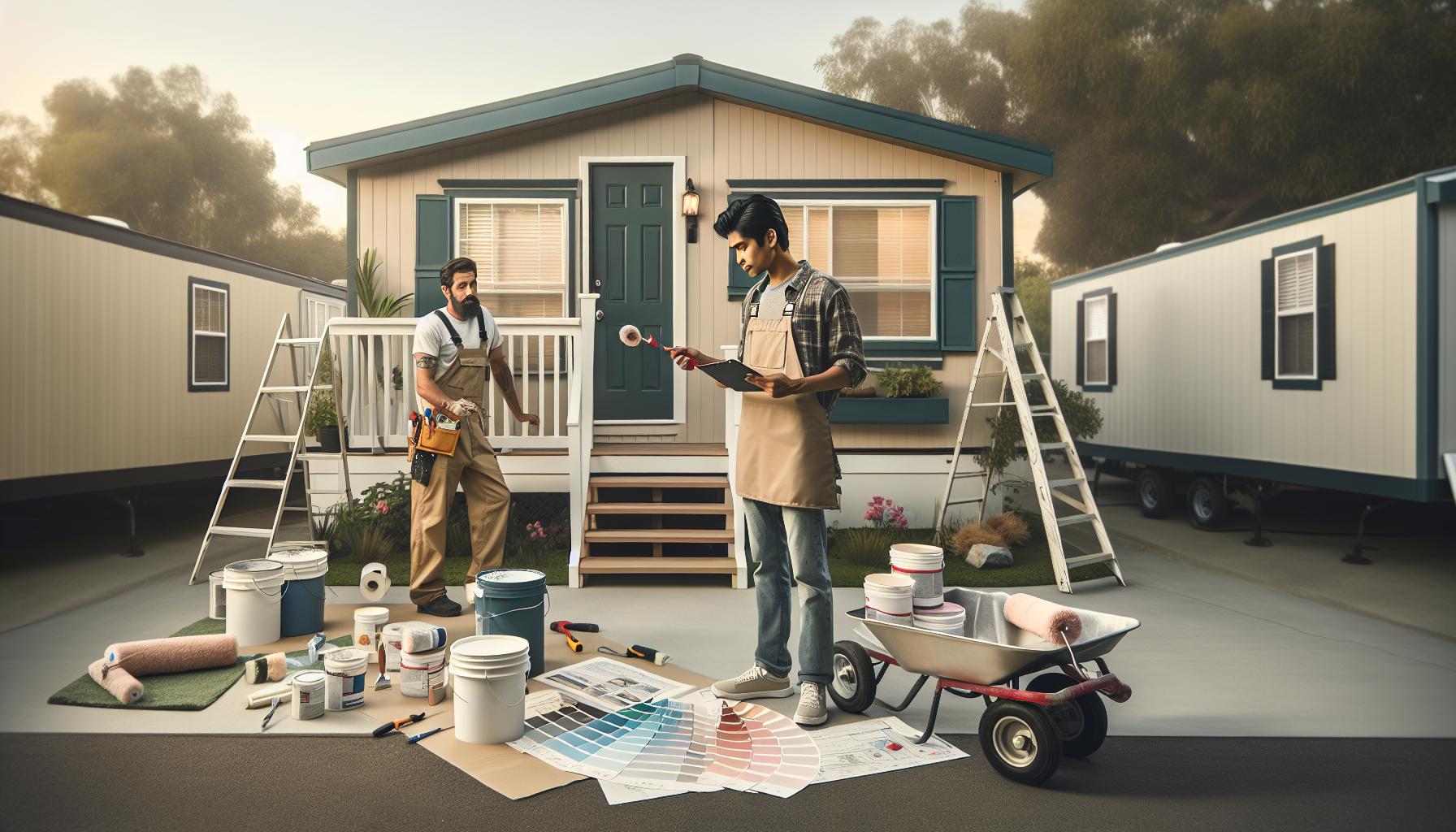
Factors Influencing Trailer Home Paint Costs
When considering a paint project for your trailer home, several key factors will influence the overall cost. Understanding these elements can help you create a more accurate budget, whether you’re planning to refresh your home’s exterior or embark on a full renovation.
One of the primary influences on the cost of repainting is the size and layout of your trailer home. A larger structure will require more paint and labor, leading to increased expenses. Additionally, the condition of the exterior surfaces plays a crucial role; if the siding is damaged or peeling, you may need to invest in repairs prior to painting, adding to your overall budget.
Another significant factor is the type of paint you choose. High-quality exterior paints that withstand harsh weather conditions and adhere well to various materials can range from $25 to $50 per gallon. Depending on the surface texture and color change, multiple coats may be necessary to achieve a polished finish, doubling or tripling the amount of paint needed. Furthermore, the complexity of the project, such as whether you need to paint trims, doors, or the roof, will also contribute to the total cost.
Lastly, geographical location can impact pricing. Labor costs can vary widely from one area to another, meaning that hiring professionals in a metropolitan area might be substantially more expensive than in a rural community. By taking these factors into account, you’ll be better prepared to budget effectively for your trailer home repainting project, ensuring a beautiful and lasting finish.
Different Painting Methods: Pros and Cons
Choosing the right painting method for your trailer home can significantly affect not only the final appearance but also the longevity of your investment. The choice usually boils down to two popular methods: spray painting and brush/roller application. Each method has its strengths and weaknesses, which can impact the cost, time, and overall result of your painting project.
Spray Painting
Spray painting is often favored for its speed and efficiency. With the ability to cover large areas quickly, it allows for a smooth and even application. This method is particularly effective for achieving a professional finish, minimizing brush strokes and allowing paint to penetrate into crevices that brushes may miss. However, spray painting requires specific equipment that can be costly to rent or purchase. Additionally, proper ventilation and protective gear are crucial, making it a less feasible option for those new to DIY projects.
Pros of Spray Painting:
- Fast and efficient, covering large areas quickly
- Produces a smooth, professional finish
- Excellent for hard-to-reach areas
Cons of Spray Painting:
- Requires specialized equipment
- Risk of overspray; may require more paint
- Generally requires experience for optimal results
Brush and Roller Application
Using a brush and roller is a classic technique that is typically more accessible for homeowners. This method provides more control, allowing for detailed work on intricate designs or trim. It’s often a preferred choice for DIY enthusiasts who may not have access to spray equipment. However, applying paint by hand can be time-consuming, especially on larger surfaces, and it may not deliver the flawless finish that spraying can achieve.
Pros of Brush and Roller Application:
- More control over application, ideal for detailing
- No special equipment is needed-just brushes and rollers
- Easier to fix mistakes during the process
Cons of Brush and Roller Application:
- Time-consuming to cover large areas
- Potential for visible brush strokes or uneven texture
- Requires more physical effort and may result in fatigue
In conclusion, your choice between spray painting and brush/roller application should be guided by your specific project needs, budget, and experience level. By weighing the pros and cons of each method, you can make an informed decision that aligns with your vision for your trailer home. Whether you’re looking for a quick makeover or a meticulous detailing job, understanding these methods will help ensure your paint project delivers both beauty and durability.
Choosing the Right Paint for Your Trailer Home
When it comes to refreshing the exterior of your trailer home, selecting the appropriate paint can truly transform both its appearance and durability. Not just any paint will do; due to the unique materials and conditions that trailer homes often face, choosing a paint specifically formulated for this purpose is vital for achieving lasting results.
One of the key considerations is the type of surface on your trailer. Most mobile homes have aluminum or vinyl siding, which requires paints that bond well to metal or plastic surfaces. Look for paints labeled as “exterior” and “weather-resistant,” as they are specially designed to endure the elements and provide protection against rust and fading. For aluminum trailers, a paint with a built-in primer is advantageous as it enhances adhesion and reduces the number of coats needed.
Additionally, consider the sheen of the paint. Matte finishes are attractive but may not be as durable or easy to clean as semi-gloss or gloss finishes. The latter options can resist dirt and are generally easier to maintain, making them ideal for outdoor applications where exposure to sun, wind, and rain is common. Be sure to read labels to confirm that the paint is suitable for use on mobile homes and that it complies with any local regulations regarding exterior colors and finishes.
Next, think about color choices that can enhance curb appeal while also helping with energy efficiency. Lighter colors tend to reflect sunlight, which can maintain cooler interior temperatures, while darker shades may absorb more heat, potentially raising energy costs in warmer months. Beyond aesthetics, consider using high-quality paints that offer UV protection to prevent color fading and degradation over time.
In summary, selecting the right paint for your trailer home involves more than just picking a color. It’s crucial to consider the surface type, paint formulation, finish, and energy efficiency implications. These factors combined will ensure your investment not only beautifies your living space but also protects it for years to come.
Step-by-Step Guide to Repainting Your Trailer
Repainting your trailer home can be an exciting DIY project that not only enhances its aesthetic appeal but also protects it from environmental wear and tear. With some preparation and the right materials, you can achieve a professional-looking finish yourself. Here’s a clear step-by-step guide to help you through the process.
Start by gathering your materials, which will include high-quality exterior paint, a primer (if necessary), paintbrushes, rollers, drop cloths, painter’s tape, and cleaning supplies like soap and water. It’s essential to choose a day when the weather is dry and mild, as humidity and high temperatures can affect paint adhesion and drying.
Preparation
Begin by thoroughly cleaning the exterior of your trailer. Remove dirt, dust, and any peeling paint using a power washer or a scrub brush with a mixture of soap and water. Once cleaned, allow sufficient time for the trailer to dry completely. After drying, inspect the surface for any damages. Repair any dents, holes, or cracks with appropriate fillers, and sand down rough edges to ensure a smooth surface.
Next, use painter’s tape to cover areas that you don’t want to paint, such as windows, doors, and trim. This step will help in achieving clean lines and prevent paint from splattering onto unwanted areas.
Painting
Apply a coat of primer if you are using unpainted metal or if you’re making a significant color change. This can improve the paint’s adhesion and longevity. Once the primer is dry, stir your exterior paint well. Using a brush or roller, start painting from the top of the trailer and work your way down to avoid drips. It’s often best to apply two coats of paint for enhanced coverage and durability. Allow adequate drying time between coats as specified on the paint can.
When painting, take your time around edges and seams to ensure you don’t miss any spots. If using multiple colors, a second layer of painter’s tape can help maintain neater edges.
Final Touches
Once your last coat is applied and thoroughly dried, remove the painter’s tape carefully to avoid pulling off any paint. Clean your brushes and rollers promptly to ensure they can be used for future projects. Finally, do a thorough inspection of your work-looking for any touch-ups needed in hard-to-reach areas or areas where the paint may have dripped.
By following these steps, you’ll not only improve the look of your trailer home but also extend its lifespan, protecting it from moisture and rust. Enjoy your revitalized space, which will not only look great but can also increase your trailer’s value in the long run.
DIY vs. Hiring Professionals: Cost Comparison
When considering whether to repaint your trailer home yourself or hire professionals, it’s essential to weigh the costs and benefits of each option. DIY projects can be attractive due to the potential for cost savings and the satisfaction of completing a task independently. Typically, homeowners might spend anywhere from $200 to $800 on materials like high-quality exterior paint, primer, brushes, and other supplies, depending on the trailer’s size and condition. However, this does not account for the value of your time and effort, which is often underestimated.
On the other hand, hiring professionals can range from $1,500 to $3,000 or more, depending on factors such as the trailer’s size, location, and the complexity of the job. While this option incurs a higher upfront cost, professional painters come equipped with the right tools and experience, often allowing them to complete the job more efficiently and with better results. They can navigate difficult spots, ensure an even paint application, and are less likely to make costly mistakes that a novice might encounter.
Ultimately, the decision hinges on your budget, time availability, and confidence in your painting skills. If you choose the DIY route, it can be helpful to coordinate the project with friends or family to share the workload, making it a fun and rewarding experience. If your trailer home has extensive damages that need addressing before painting, or if you’re looking for a high-end finish, hiring professionals might be the more sensible choice.
Money-Saving Tips for Repainting
When it comes to repainting your trailer home, saving money doesn’t have to mean sacrificing quality. With some strategic planning and resourcefulness, you can keep costs manageable without compromising the appearance or durability of your paint job. One effective approach is to take inventory of supplies before making any purchases. This means checking your garage or shed for leftover paint, brushes, or rollers. Sometimes, you might find a nearly full can of paint from a previous project that can be mixed to get the required shade.
Another wise strategy involves timing your project around sales or discount periods at local home improvement stores. You can save significantly on materials by purchasing paint and supplies during seasonal promotions or clearance events. Additionally, consider buying paint in bulk or from wholesalers, as this can provide substantial savings compared to retail prices. If possible, choose a paint brand that offers a warranty; this reduces the risk of needing to repaint sooner than expected, which can lead to additional costs.
Enlisting the help of friends or family can also help you save money while making the project more enjoyable. You can turn it into a fun weekend undertaking where everyone contributes, sharing the workload, and saving on labor costs. Organizing your tasks effectively, such as prepping the surface and selecting the right tools, allows you to maximize efficiency and minimize wasted materials, reinforcing that preparation is key.
Finally, consider local communities or online groups dedicated to DIY home improvement, where you can exchange tips, resources, or even surplus materials. Many communities also have free workshops or classes that cover essential painting techniques, so taking advantage of these local resources can enhance your skills and further your savings. By adopting these smart money-saving strategies, you can achieve a fresh look for your trailer home without breaking the bank.
Common Mistakes to Avoid When Painting
When embarking on the project of repainting your trailer home, avoiding common pitfalls can make a significant difference in both the end result and your overall satisfaction. One frequent mistake is neglecting proper surface preparation. Skipping this step can lead to poor adhesion, resulting in peeling or chipping paint long before you expect. Always ensure that the surface is clean, dry, and free of any old flaking paint or debris, as even minor imperfections can compromise your paint job.
Another common error is choosing the wrong type of paint for your trailer home. Many homeowners mistakenly believe that any exterior paint will do, but trailer homes require specific formulations that withstand varying weather conditions and adhere well to the materials used. Selecting an appropriate paint not only enhances the appearance but also extends the longevity of your work. It’s often wise to consult with paint specialists or conduct research to find the best paint suited for your particular trailer model and the climate in your area.
Improper paint application is also a significant issue. Rushing through the process can lead to streaks, uneven finishes, or over-application that drips and runs. Take your time to apply the paint in thin, even layers, allowing adequate drying time between coats. Using quality brushes or rollers designed for the type of paint you’re using can aid in achieving a smooth, professional-looking finish. Additionally, always paint on dry, mild days to avoid complications with humidity and temperature, which can affect drying times and adhesion.
Lastly, many DIY painters overlook the importance of protecting non-painted surfaces. Tapes and tarps may seem like an afterthought, but they are critical in preventing accidental paint splatter on windows, trims, and decks. Ensure you cover these areas with painter’s tape and drop cloths to maintain a clean, professional appearance, particularly along edges and corners. By being mindful of these typical mistakes, you can enhance the durability and aesthetics of your trailer home’s new paint job, making it truly shine for years to come.
Maintenance and Care After Repainting
Repainting your trailer home can breathe new life into your space, but the task doesn’t end once you’ve put away your brushes. Proper are crucial to ensuring that your hard work and investment last for many years. Just like maintaining a vehicle, your trailer requires regular check-ups to keep the exterior in good condition.
To get started, here are some essential maintenance tips to prolong the life of your newly painted surface:
- Regular Inspections: Schedule routine checks every few months to assess the state of the paint. Look for signs of wear, such as peeling, bubbling, or discoloration. Early detection of issues allows for timely fixes, preventing more extensive and costly repairs down the line.
- Cleaning: Keep the exterior clean by gently washing it with a mild soap solution and water. Use a soft sponge or cloth to remove dirt, grime, and any mildew that may develop. Be sure to rinse thoroughly after washing. Avoid harsh chemicals that can damage the paint.
- Sealant Application: Consider applying a sealant every couple of years to protect the paint from harsh weather conditions like UV rays, rain, and snow. A sealant can act as a second layer of defense, enhancing the longevity of your paint job.
- Addressing Damage Promptly: If you notice any chips or scratches, address them quickly. Small areas can be easily touched up, which will help prevent larger sections of paint from peeling away.
Creating a maintenance schedule can help you remember key tasks, such as inspections, cleanings, and reapplying sealants. Additionally, consider documenting the maintenance activities you’ve performed. This will not only help you maintain the paint’s condition but will also serve as valuable information if you decide to sell your trailer in the future.
By incorporating these practices into your regular trailer home maintenance, you can ensure that your repainted exterior continues to look fresh and inviting. Proper care will not only enhance your trailer’s curb appeal but can also protect its value, allowing you to enjoy your investment to the fullest.
Financing Options for Trailer Home Renovations
When considering a repainting project for your trailer home, understanding your financial options is crucial to executing your vision without breaking the bank. Renovating a trailer home can add substantial value, not only enhancing curb appeal but also improving living conditions. Luckily, various financing avenues can make this investment more manageable, allowing you to refresh your home while keeping your budget intact.
One popular option is a personal loan, which can provide you with the necessary funds upfront to cover the costs of paint, materials, and potentially hiring professionals. Personal loans often have fixed interest rates and predictable monthly payments, making them a reliable choice for financing renovations. It’s essential to shop around and compare offers from different lenders to secure the best rate.
Another consideration is utilizing a home equity loan or line of credit if you own your trailer and have built equity over time. This method allows you to borrow against your home’s value, usually at a lower interest rate than unsecured personal loans. It’s a great way to access larger sums of money for significant renovation projects while spreading the cost over several years.
For those who prefer to keep costs minimal, consider reaching out to local community programs or non-profits that offer grants or low-interest loans for home improvements. Some organizations specifically target mobile and manufactured home renovations, aiming to improve safety and livability standards.
Finally, don’t overlook DIY options. Depending on your skill level, you might undertake some of the painting tasks yourself. This can significantly cut down on labor costs, allowing you to invest those savings into premium materials or tools that will enhance your overall project outcome.
By thoughtfully exploring these financing options, you can ensure that your trailer home renovation, particularly repainting, is financially feasible and rewarding without undue stress.
Enhancing Curb Appeal with Paint Choices
A fresh coat of paint can dramatically transform a trailer home, making it not only more visually appealing but also significantly increasing its value. Color choice plays a crucial role in enhancing curb appeal; opting for colors that complement the surrounding environment or picking vibrant tones can help your home stand out. Whether you aim for a classic look with soft neutrals or a bold aesthetic with bright colors, choosing the right palette will set the tone for your home’s exterior.
One effective strategy is to adopt a cohesive color scheme that ties together the different elements of your trailer home, such as the siding, trim, and door. Here are a few popular color pairings to consider:
- Soft Gray with White Trim: This combination gives a modern yet timeless look, ideal for a subtle aesthetic.
- Earthy Tones: Shades like sage green or warm beige blend well with nature and can create a cozy vibe.
- Sunny Yellow with Charcoal Accents: A light and cheerful choice that can brighten up the surroundings.
Before committing to a color, test samples by painting small sections to see how they play with natural light throughout the day. Keep in mind that colors can appear different under varying weather conditions and times of day, so it’s wise to evaluate your choices before taking the plunge.
In addition to color, consider the finish of the paint. Matte finishes hide imperfections and can create a warm, inviting look, while satin and gloss finishes are easier to clean and are more durable against the elements. The right finish not only contributes to the aesthetic but also provides long-lasting protection against fading and wear.
By giving attention to color selection, finishes, and overall scheme, you can enhance your trailer home’s curb appeal significantly. This thoughtful approach not only reflects your personal style but also increases the overall enjoyment of your living space, making it a true representation of home sweet home.
Real-Life Case Studies: Cost Breakdown and Tips
Repainting a trailer home can be an economical way to boost its appeal and value, but understanding the costs involved can help you make informed decisions. For instance, let’s look at a couple of real-life scenarios.
In one case, a homeowner in Texas opted for a DIY approach, repainting their 1,200 sq. ft. trailer for just under $500. They took advantage of sales at local hardware stores and used a high-quality outdoor paint designed for mobile homes. The process involved prepping the surface, including power washing, sanding, and priming, before applying two coats of paint. This not only saved on labor costs but also allowed them to select their preferred colors, achieving a vibrant look that lifted the entire exterior.
Conversely, another homeowner in Florida chose to hire a professional service for their repainting project. The professionals quoted a total cost of around $2,500 for the same trailer size, including surface preparation, two primer and paint coats, and cleanup. While the upfront cost was significantly higher, the homeowners appreciated the efficiency and quality of workmanship, as well as the 5-year warranty provided on the job. They noted that the vibrant colors and flawless finish enhanced their trailer’s market appeal, making the investment worthwhile.
Understanding these examples provides insight into the total costs and potential ROI of painting your trailer home. Whether you choose to go the DIY route or hire a pro, preparation is key. Accurate measuring, thorough cleaning, and quality materials will help ensure a long-lasting finish that protects your home and enhances its aesthetic. Additionally, researching local paint shops for sales or discounts can lower expenses, whether you’re buying paint or renting necessary equipment.
By learning from these real-life experiences and adopting best practices, you can navigate the repainting process effectively, ensuring your trailer home stands out while remaining budget-friendly.
Wrapping Up
Ready to transform your trailer home? Understanding the real costs of repainting is just the first step toward revitalizing your space. By following the money-saving tips and strategies outlined, you can make informed decisions that enhance your home’s appeal and value. Don’t wait-start planning your next steps today!
For more insights on maintaining your trailer home, explore our guides on essential maintenance tasks and renovation projects. Curious about financing options or legal considerations for your mobile home? We’ve got you covered there too. Remember, smart updates can make all the difference, so take action now!
Join our community-sign up for our newsletter for ongoing tips and inspiration. Your journey to a beautiful and functional trailer home starts here!