When investing in a new trailer home, understanding the warranty coverage can be the key to ensuring peace of mind. Did you know that many manufacturers offer robust warranties that cover essential components like plumbing, electrical systems, and structural integrity? This protection is vital for homeowners, as it can save you from unexpected repair costs and provide a safety net during the initial years of ownership. In this article, we’ll explore the types of warranties available for new trailer homes, the specific coverage details you can expect, and important considerations to keep in mind. Whether you’re a first-time homebuyer or looking to upgrade, knowing your warranty options can empower you to make informed decisions and enhance your living experience.
What Types of Warranties Are Available for New Trailer Homes?
When investing in a new trailer home, understanding the types of warranties available is crucial to ensuring long-term satisfaction with your purchase. Generally, trailer homes come with at least two main types of warranties: manufacturer warranties and dealer warranties. These warranties serve to protect your investment by covering various aspects of the trailer home.
Manufacturer warranties typically cover defects in materials and workmanship for a specified period after purchase. This warranty usually includes major components such as the structure/frame, plumbing, electrical systems, and HVAC units. Coverage can vary widely based on the manufacturer, so it’s essential to review the details carefully. Additionally, many manufacturers offer a limited warranty that might not cover normal wear and tear or specific usage conditions.
On the other hand, dealer warranties may complement manufacturer warranties. Dealers might offer their own warranties or service contracts, which can include benefits like extended coverage for labor costs associated with repairs unavailable under the manufacturer’s warranty. It’s always a good idea to compare these options to determine which aligns best with your needs.
In recent years, some manufacturers have begun offering extended warranties that cover a more extensive range of issues for an additional cost. These warranties can provide peace of mind, especially for first-time trailer home owners, by extending protection beyond the standard coverage period.
In summary, potential trailer home owners should familiarize themselves with the specific warranty types offered by both manufacturers and dealers, making an informed decision based on the scope of coverage and personal requirements.
Understanding the Coverage of Manufacturer Warranties
Manufactured homes often come equipped with manufacturer warranties designed to protect homeowners from defects in materials and workmanship. Understanding the nuances of these warranties is essential for every new trailer home owner, as it can save you time, money, and frustration in the long run. These warranties typically cover core components of the home, which may include the structure or frame, plumbing systems, electrical systems, heating, ventilation, air conditioning units, and sometimes essential appliances.
When evaluating a manufacturer warranty, it’s crucial to pay attention to the duration of coverage, which typically ranges from one to ten years, depending on the component. For instance, structural warranties may offer longer coverage periods compared to system-specific warranties, like plumbing or electrical. Moreover, homeowners should be aware of the warranty terms that highlight any limitations or exclusions. For example, many warranties do not cover damages from natural disasters or normal wear and tear, which means that diligent maintenance is vital.
Another significant aspect is the warranty registration process. Many manufacturers require homeowners to register their warranty shortly after purchase to validate the coverage. Failing to register could mean forfeiting your warranty rights. It’s advisable to keep all documentation organized, including the warranty agreement, proof of purchase, and any maintenance records, so that you have everything needed should you need to file a claim.
Overall, when investing in a new trailer home, comprehending the scope of the manufacturer warranty empowers you to make informed decisions about your home. Don’t hesitate to reach out to the manufacturer for clarity on specific terms, as understanding your coverage can significantly impact your peace of mind and the longevity of your investment.
Exploring Extended Warranties: Are They Worth It?
Investing in a new trailer home represents a significant financial decision, and with this investment often comes the question of whether to purchase an extended warranty. Extended warranties can provide homeowners with peace of mind, potentially covering repairs and replacements beyond the scope of the manufacturer’s warranty. However, deciding whether they are worth the cost can be complex and depends on several factors, including your specific needs, the age and condition of the home, and the details of both the standard and extended warranty options available.
When considering an extended warranty, start by understanding what such warranties typically cover. Many extended warranties focus on significant systems and components of your trailer home, such as plumbing, electrical, and HVAC systems. Some extended plans may also include coverage for appliances, which can be a substantial cost if issues arise. It’s important to scrutinize the fine print-some warranties may have wait periods before coverage kicks in or might not cover pre-existing conditions. Always compare the potential costs of repairs against the price of the warranty over time to determine if it can truly save you money.
Moreover, think about your personal comfort with risk. If you’re someone who prefers predictable expenses over potentially high repair bills, an extended warranty might be beneficial. For instance, if your trailer home is older or as you plan to keep it for an extended period, the chances of needing repairs may increase, making extended coverage a more prudent choice. Alternatively, if you’re handy and feel confident in your ability to respond to maintenance needs, you might find that setting aside savings for repairs could be a better investment.
Ultimately, the value of an extended warranty hinges on both your lifestyle and the specific terms of the coverage offered. Taking the time to thoroughly evaluate your options will help you make an informed decision that aligns with your financial and housing goals. Consider discussing your situation with a local dealer or warranty provider to better understand the nuances of what’s included and what you might potentially face as a homeowner.
Key Components Typically Covered Under Warranty
Investing in a new trailer home often leads to excitement, but understanding what protection your warranty provides can feel equally thrilling and daunting. Warranties for new trailer homes generally cover essential components and systems that ensure your living space remains functional and enjoyable. Understanding these key components can give you peace of mind and help you navigate any potential issues that arise during the early months or years of homeownership.
Typical Components Covered
Many manufacturer warranties typically include coverage for the following:
- Structural Components: This includes the frame, walls, and roof of the trailer home. Structural integrity is crucial for safe habitation, making this coverage a top priority.
- Plumbing Systems: Coverage often extends to plumbing lines, fixtures, and appliances like faucets and toilets, protecting against leaks and other plumbing-related issues.
- Electrical Systems: Wiring, outlets, and light fixtures usually fall under warranty coverage, safeguarding against electrical problems that could lead to larger safety issues.
- HVAC Systems: Heating and cooling systems are vital for comfort, and warranties frequently provide coverage for repairs to these components.
- Appliances: Many new trailer homes come with built-in appliances, and warranties often include coverage for these essential items, such as refrigerators and stoves.
Recognizing these covered components enables homeowners to address issues effectively without the burden of unexpected repair costs. However, it’s equally vital to understand that coverage may vary between manufacturers and specific warranties, so familiarizing yourself with your policy’s fine print is key.
Understanding Limitations
While these components typically receive protection, not every detail is covered. For instance, damages caused by improper installation or regular wear and tear may be excluded from warranty coverage. It’s essential to maintain your trailer and address minor issues promptly to prevent them from escalating.
In essence, a clear understanding of what your warranty covers can empower you as a new trailer home owner. This foundational knowledge not only assists in making timely repairs but also prepares you for discussions with manufacturers or dealers should issues arise. Always be proactive in understanding your warranty’s specific terms for maximum benefit.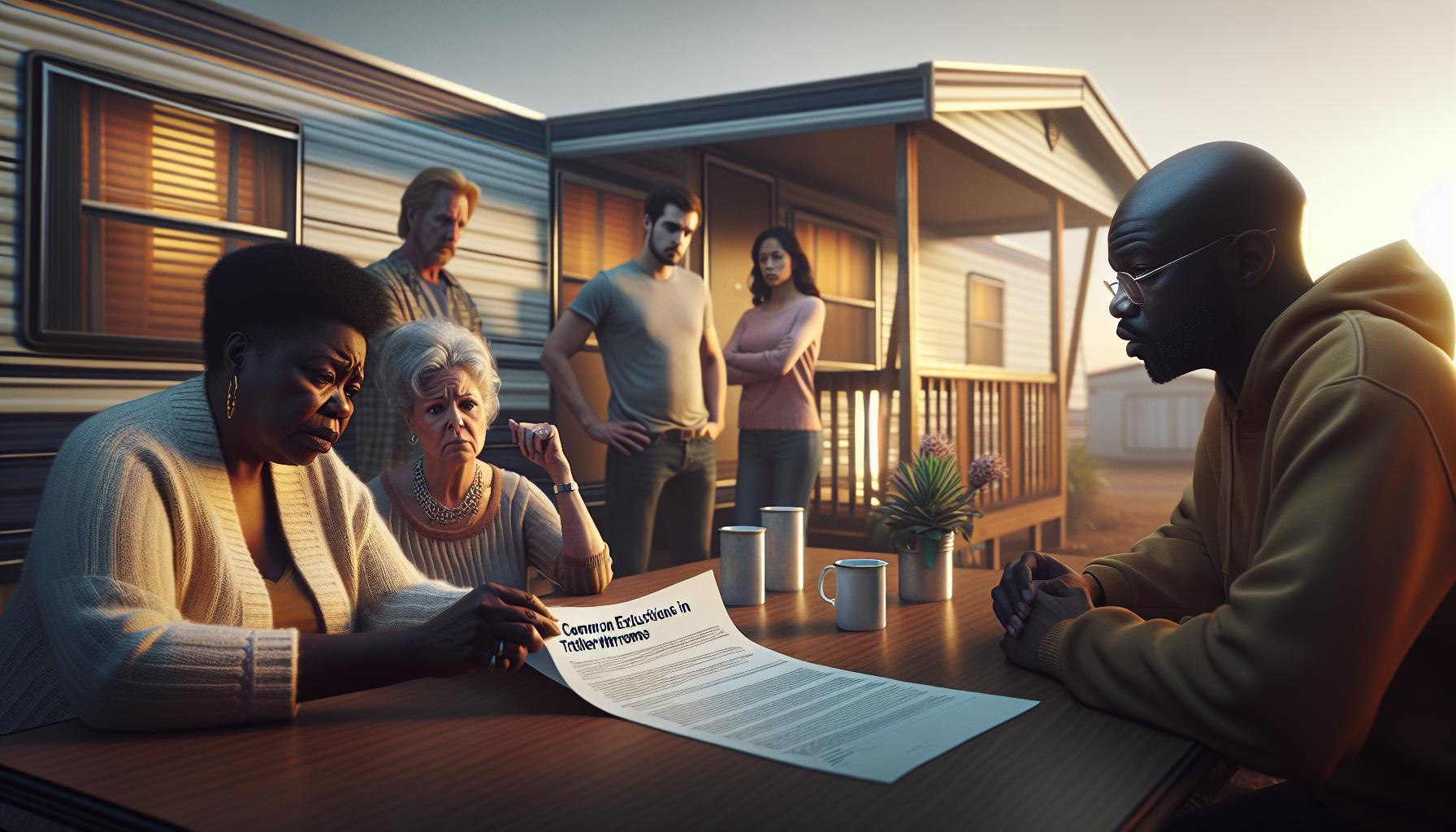
Common Exclusions in Trailer Home Warranties
When diving into the details of a trailer home warranty, many owners are surprised to discover the exclusions that can leave them vulnerable during ownership. Understanding what is not covered is just as crucial as recognizing the coverage, as it helps homeowners avoid unexpected expenses and disappointment in the event of a claim. For example, most manufacturer warranties typically do not include damage resulting from improper installation, which can lead to significant problems down the road. It’s essential to ensure that your trailer is installed by qualified professionals to safeguard against this potential pitfall.
Moreover, general wear and tear is another common exclusion. Like any home, trailer homes experience declines in functionality over time, but warranties often draw a line between manufacturer defects and normal degradation. Homeowners should be proactive in their maintenance routines, conducting regular inspections and repairs to extend the life of components like the roof and HVAC systems. Additionally, damages incurred through neglect or lack of maintenance further limit your warranty protections. For instance, if plumbing issues stem from accumulated debris or lack of seasonal upkeep, the costs for any repairs will likely be on the owner.
Another important point to understand is that any alterations made to the trailer can void certain aspects of a warranty. Whether you’re installing a new appliance or making structural changes, always consult warranty details and potentially seek approval from the manufacturer before proceeding. Exclusions can also extend to specific items, such as aftermarket accessories that were not originally included with the purchase of the trailer home.
Emphasizing the importance of your warranty’s fine print can’t be overstated. Homeowners should take the time to read through their warranty documents thoroughly and clarify any unclear terms with the dealer or manufacturer. By familiarizing yourself with common exclusions, you can make informed decisions about the maintenance and alterations to your trailer home, ultimately ensuring a more secure and enjoyable living experience.
How to File a Warranty Claim Successfully
Filing a warranty claim for your new trailer home can seem daunting, but with the right approach and preparation, you can navigate the process smoothly. Many warranty claims are delayed or denied due to lack of proper documentation or unclear communication, so it’s crucial to understand how to effectively present your case. Start by familiarizing yourself with the terms and conditions outlined in your warranty documentation; knowing what is covered and the claiming process will set you up for success.
Begin by documenting the issue clearly and thoroughly. Take detailed photographs, note the date when the problem first arose, and keep a journal of any relevant interactions regarding the issue. This information not only helps illustrate your case but also demonstrates your proactive approach to resolving the problem. Next, gather all supporting documents, such as the warranty agreement, proof of purchase, and any previous maintenance records that might be relevant. Having these at hand will help establish that you followed proper care and maintenance protocols as required by the warranty.
Once you have your documentation in order, reach out to the warranty provider, which is usually the manufacturer or dealer. Be ready to clearly explain the problem, referencing your notes and documents. Prepare for potential questions they may have and ensure you articulate your case confidently. Follow up in writing to confirm any verbal agreements or discussions; this establishes a record of your claim that can be invaluable if disputes arise later.
Lastly, be patient but persistent. Claims processing can take time, and follow-ups are often necessary. If your claim is denied, ask for a detailed explanation so you can understand the reasoning and possibly address any misunderstandings. Remember that many issues can be resolved through clear communication and by providing the necessary evidence. By following these steps, you can effectively manage your warranty claim, ensuring your investment in your trailer home is well protected.
Tips for Maintaining Your Trailer Home Warranty
To keep your trailer home warranty intact and ensure you maximize its benefits, regular maintenance and diligence are essential. Being proactive not only helps in preventative care but also in avoiding potential disputes down the line. Consider establishing a maintenance schedule that details essential checks and tasks. This could involve regularly inspecting major systems like plumbing, electrical, and HVAC, ensuring they operate seamlessly and remain within warranty requirements.
Another critical aspect is documentation. Maintain a comprehensive log of all maintenance activities, repairs, and upgrades made to your trailer home. Keep receipts, warranty documents, and maintenance records organized and readily accessible. This can serve as proof of proper care if a warranty claim is ever necessary. For instance, if you replace a roof vent or service the air conditioning unit, having receipts can verify that the work was done by a qualified professional if needed in the future.
It’s also wise to familiarize yourself with the specific terms of your warranty. Be aware of what is and isn’t covered, as well as the necessary steps for making a claim, as outlined in your warranty documentation. Regularly review these details to ensure compliance. For example, some warranties might expire if you don’t perform specific maintenance tasks, so understanding these requirements will help you stay within the bounds of your warranty.
Lastly, if you encounter any issues, address them promptly. Delaying repairs can lead to further damage and potentially void your warranty. If a concern arises, take immediate action-whether that’s contacting a professional or referring back to your warranty terms to initiate a claim. By combining timely action with meticulous documentation and thorough understanding of your warranty, you’ll be well-prepared to maintain your trailer home effectively.
State Regulations on Trailer Home Warranties
When looking into the warranties for your new trailer home, it’s essential to understand that state regulations can significantly influence the level and nature of coverage you receive. Different states have varying laws regarding manufactured housing and their warranties, which often dictate how long those warranties last, what they cover, and the process for filing claims. For instance, some states mandate that manufacturers provide warranties that cover major systems such as plumbing and electrical for a minimum of one year, while others may extend this period or include more comprehensive coverage for structural defects.
Understanding Your Rights
It’s crucial for trailer home owners to be aware of their rights under state law. Many states have consumer protection laws specifically addressing manufactured housing, ensuring that homeowners have adequate protection against defects and poor construction. For example, if your trailer home comes with a warranty but has significant defects, certain state laws may provide additional avenues to pursue remedies, such as the right to repair, replacement, or even monetary compensation. Researching your state’s manufactured housing authority can provide valuable insights and guidance on your rights and responsibilities.
Documentation and Compliance
To effectively navigate warranty claims, maintaining thorough documentation is key. This includes keeping records of all interactions regarding the warranty, any repairs made, and correspondence with manufacturers or dealers. Adhering to the stipulations outlined in your state’s regulations can also enhance your warranty claims process. For example, some states require that homeowners notify manufacturers about defects within a certain timeframe. Understanding these regulations can help you take timely action and bolster any claims you may need to file.
Variations Across States
Keep in mind that not all states enforce the same warranty regulations. While some states may require warranties to cover a broader range of issues, others might limit coverage to specific components. Understanding these variations is especially helpful when shopping for a new trailer home, as different manufacturers might offer distinct warranty packages based on their compliance with state laws. Researching specific regulations in your state can help you choose a manufacturer that offers the best protection under the law.
In summary, being informed about state regulations regarding trailer home warranties not only empowers you as a consumer but also ensures that you are equipped to advocate for your rights effectively. By paying close attention to what your state requires and aligning your expectations accordingly, you can enjoy the many benefits of trailer home living with greater peace of mind.
Comparing Warranties: Manufacturer vs. Dealer Options
When investing in a new trailer home, it’s essential to navigate the complexities of warranty options effectively. Buyers typically face two primary pathways: warranties from the manufacturer and those provided through the dealer. Understanding the distinctions and benefits of each can empower you to make a more informed purchase, ensuring that your investment is protected.
Manufacturer Warranties
Obtained directly from the company that built your trailer, manufacturer warranties usually offer a structured outline of coverage. These warranties often include coverage for significant defects in materials and workmanship, extending for various durations depending on the components. For example, major systems such as plumbing, electrical, and structural components often come with warranties lasting from one to ten years, allowing homeowners peace of mind as they settle into their new residence. Manufacturer warranties can also include an extensive list of covered items, which may provide added financial security should an issue arise.
Dealer Warranties
Dealer warranties, on the other hand, are typically more flexible and may encompass not just manufacturer defects but also potential damages arising from other external factors. Dealers may offer additional services like extended coverage, which can add value, especially for first-time homeowners who may not be familiar with potential issues related to trailer homes. It’s vital to review what the dealer warranty covers compared to the manufacturer’s warranty, as some dealers might include additional services, such as free maintenance checks within a certain time frame.
Comparative Insights
When evaluating your options, consider the following aspects that differentiate manufacturer and dealer warranties:
- Coverage Length: Manufacturer warranties typically have a set period, while dealer warranties may vary based on the dealer’s policy.
- Service Scope: Manufacturers often cover repairs for major defects, while dealers might offer a more inclusive service that covers a broader array of potential issues.
- Transferability: Manufacturer warranties are usually transferable if you decide to sell your trailer, which can enhance resale value, whereas dealer warranties may have stricter conditions on transferability.
- Repair Processes: Manufacturer warranties may require repairs to be conducted through authorized service centers, while dealer warranties often allow for more flexibility in choosing repair services.
Understanding these differences allows you to select the warranty that best fits your needs. Whether you lean towards the structured confidence of a manufacturer’s warranty or prefer the comprehensive approach that some dealers might provide, being informed about your options ensures you can enjoy the benefits of your new trailer home while knowing you have the coverage necessary for any unforeseen challenges.
Frequently Overlooked Warranty Details for New Owners
Many new trailer home owners often overlook crucial warranty details that can significantly impact their ownership experience and financial peace of mind. Understanding these nuances can save you from unexpected costs and ensure you’re getting the most out of your warranty.
One common aspect that many buyers neglect to consider is the specific language and terminology used in their warranty documents. Terms like “limited warranty” might suggest a wide range of coverage, but they can also indicate numerous exclusions and restrictions. For instance, while structural damages might be covered, other components like appliances may only have partial coverage or require additional premiums for full protection. Before signing, ensure you clearly understand what is covered and any limitations that might apply.
Additionally, the maintenance responsibilities outlined in your warranty are often underappreciated. Many warranties require regular maintenance checks or inspections to keep coverage valid. Failing to adhere to these maintenance requirements can lead to denied claims. Keeping logs or receipts of maintenance work done is vital for proving you’ve met your obligations should you need to file a claim later. Make sure to set reminders for any inspections or routine checks recommended by the warranty to avoid complications.
Another consideration is the claim process itself. Each warranty will outline specific steps to take when filing a claim-including time frames for reporting issues and approved service providers. Familiarize yourself with these procedures ahead of time. If a problem arises, knowing how to act quickly can help you avoid lapses in coverage or forfeiting your right to make a claim.
In summary, engaging with your warranty in detail can empower you as a new trailer home owner. Always read the fine print, adhere to required maintenance, and understand the claims process to make the most out of your warranty and enjoy your new home worry-free.
The Importance of Reading Your Warranty Contract
Understanding the intricacies of your warranty contract can feel daunting, but it is crucial for protecting your investment in a new trailer home. In the world of warranties, ambiguity can cost you dearly; terms and conditions can hold the key to the extent of your coverage, revealing what is and isn’t included. For instance, a standard “limited warranty” might appear appealing at first glance, yet it can encompass a myriad of exclusions that you may not readily notice.
Reading your warranty carefully empowers you to grasp your rights and responsibilities fully. Key factors to pay attention to include the definitions of covered components, maintenance requirements, and the timeline for filing claims. If a claim needs to be made, knowing the procedures outlined in your contract can expedite the process and increase the likelihood of a successful resolution. Also, be mindful of specific exclusions, which can include certain natural wear and tear or damages caused by neglect.
Another essential aspect to look for are the maintenance obligations tied to your warranty. Many warranties require proactive upkeep, such as regular inspections or specific repairs. Failing to meet these conditions could result in denied claims, leaving you stuck with hefty repair costs. Utilize checklists and reminders to stay on top of these requirements, ensuring that you don’t accidentally void your warranty.
Lastly, don’t underestimate the importance of clarity in your warranty’s language. If you find terms or conditions that are confusing or seem unfair, don’t hesitate to seek clarification, whether from the manufacturer, dealer, or a legal professional. Understanding every detail of your warranty fosters informed decision-making and peace of mind, enabling you to enjoy your new trailer home without the weight of uncertainty.
What to Do if a Warranty Claim Is Denied
Experiencing a denied warranty claim can be frustrating and overwhelming, especially after investing in a new trailer home. Understanding your next steps can empower you to fight for the coverage you believe you deserve. Begin by carefully reviewing the denial letter, which should detail the specific reasons for the rejection. Common reasons include expired warranty coverage, lack of maintenance records, or excluded damages. This information can provide crucial insights into how you might successfully appeal the decision.
To contest a denied claim effectively, gather supporting documentation. Collect your warranty contract, any correspondence with the warranty provider, receipts for maintenance or repairs, and photographs of the issue at hand. Organize this information meticulously to present a compelling case. Once your documentation is ready, contact the warranty provider’s claims department. Politely but assertively express your disagreement with the denial, referencing specific terms in your warranty that support your claim.
In addition to appealing directly to the warranty company, consider reaching out to consumer protection agencies or advocacy groups. They can offer guidance based on your rights and assist in communicating with the warranty provider. If applicable, document all interactions, so you have a record of your efforts should you need to escalate the situation further.
Lastly, if your claim remains unresolved or denied after following the appropriate steps, exploring legal options may be necessary. Consulting with an attorney who specializes in consumer rights and warranty issues can help clarify your options. Remember, clarity in communication and persistence in following up are key; you are advocating for the security and peace of mind that come with owning a trailer home.
In Summary
Understanding the warranty that comes with your new trailer home is crucial for protecting your investment and ensuring peace of mind. As you explore your options, remember that each warranty might vary based on the manufacturer and your specific model, so always read the fine print. If you have any lingering questions or need clarification, don’t hesitate to reach out to industry experts or consult additional resources on warranty specifics.
For more in-depth insights, we recommend checking out our articles on essential maintenance tips for trailer homes and financing options available for new home purchases. Want to stay updated on the latest trends and best practices in mobile home living? Subscribe to our newsletter for expert advice straight to your inbox! Engage with our community-leave a comment or share your experiences. Your journey in trailer home living is just beginning, and we’re here to help every step of the way!